
Low-cost bamboo house design offers a sustainable and affordable solution for modern housing needs, blending eco-friendliness with innovative architectural approaches. Bamboo, as a versatile and renewable material, is gaining popularity due to its strength, flexibility, and aesthetic appeal. With the increasing awareness of sustainability, many individuals and communities are exploring bamboo as an alternative construction material to reduce environmental impact and building expenses.
| Aspect | Description | Benefits |
|---|---|---|
| Material Cost | Bamboo is widely available and grows rapidly, reducing initial procurement expenses. | Cost-effective, renewable, and reduces carbon footprint. |
| Design Flexibility | Due to its lightweight and structural properties, bamboo can be adapted into various architectural styles. | Allows for creative designs and adaptive reuse of spaces. |
| Environmental Impact | Bamboo construction reduces reliance on traditional, resource-intensive building materials. | Promotes sustainability and environmental conservation. |
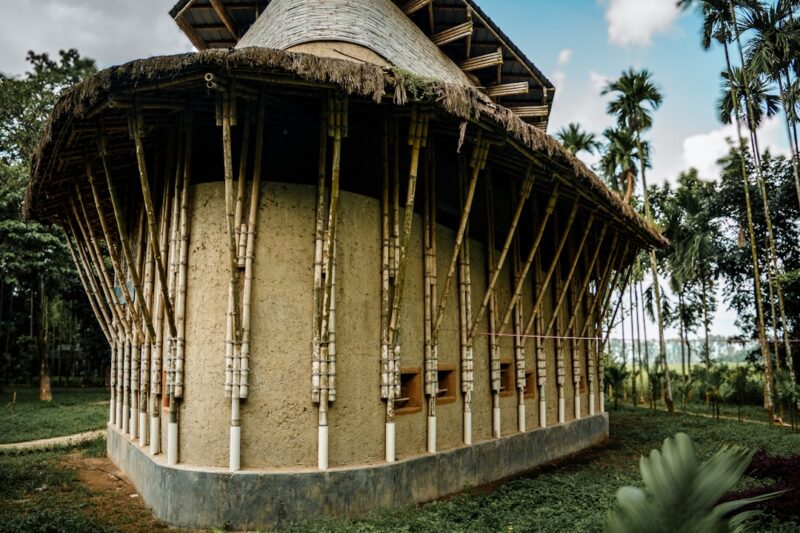
The Benefits of Bamboo in Building
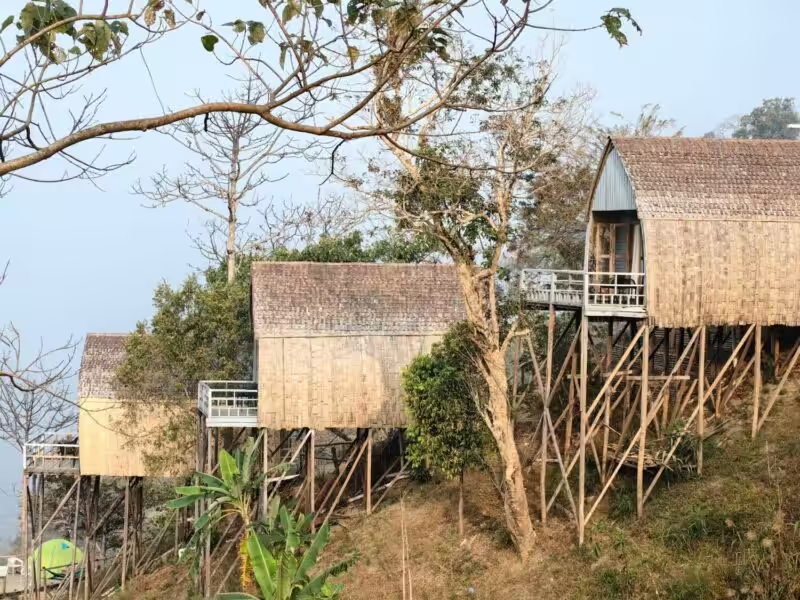
Imagine walking into a home that feels alive—vibrant, breathable, and connected to nature. This bamboo house offers. Unlike traditional materials like steel or concrete, bamboo has a natural beauty and warmth that instantly makes a space feel inviting and comfortable. It's also an incredibly resilient material. Known for its strength and flexibility, bamboo can withstand various environmental conditions, from high winds to earthquakes, making it an excellent choice for areas prone to natural disasters. Plus, the quick growth cycle of bamboo means that it can be harvested without depleting resources, maintaining a sustainable supply.
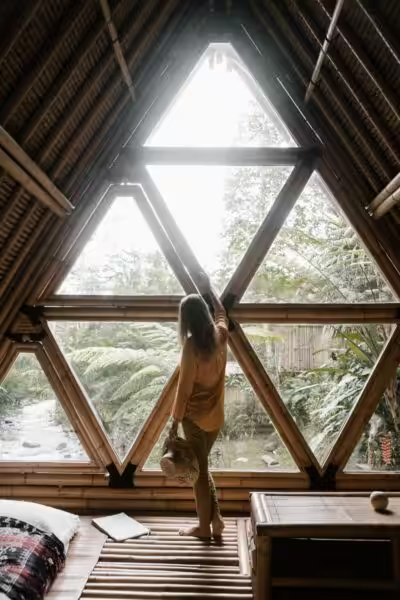
Designing with Bamboo: Creativity Unleashed
Bamboo is not just a material; it's a muse for architects and designers. With bamboo, there's a unique opportunity to break away from the cookie-cutter designs of conventional housing. Whether you're dreaming of a minimalist retreat nestled in nature or a modern urban sanctuary, bamboo's flexibility allows for an array of creative possibilities. Its natural curvature encourages organic forms in architecture, blending seamlessly with the landscape.
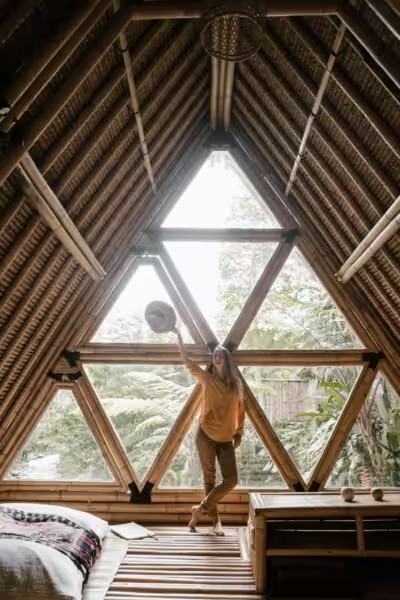
Fancy a spiral staircase made from bamboo poles? Or perhaps a vaulted ceiling showcasing the plant's natural texture? The structural properties of bamboo support both of these ideas and more, offering endless potential for innovative and adaptive design.
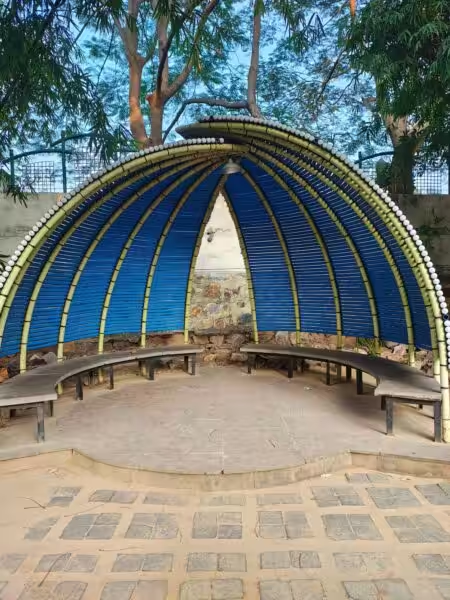
Constructing with Community and Culture in Mind
Building a bamboo house isn't just about the physical structure; it's about fostering community and embracing cultural diversity. In many cultures around the world, bamboo has been used for centuries, holding cultural significance that brings a deeper connection to the community. Building with bamboo often involves local artisans and craftspeople, fostering local economies and preserving traditional construction techniques.
Embracing bamboo can unite people around shared goals of sustainability and cultural heritage, creating not just homes but a sense of community identity and pride.
Navigating Challenges with Ingenious Solutions
Every remarkable design comes with its set of challenges, and bamboo is no exception. One of the primary hurdles is protecting bamboo from pests and decay. However, modern treatments and construction techniques have significantly boosted bamboo's durability by using eco-friendly preservatives to extend its lifespan.
To address sourcing challenges, it's beneficial to work with suppliers who practice sustainable harvesting. They ensure that bamboo is harvested at the right age and processed responsibly, safeguarding future supplies. These considerations ensure that bamboo remains both a practical and sustainable building choice.
Ready to Go Bamboo?
Stepping into the world of bamboo housing is more than just an architectural choice; it's a commitment to sustainability, community, and creativity. Have you ever considered living in a bamboo house, or perhaps incorporating bamboo into your current home? Share your thoughts and ideas below, and join a growing community of eco-conscious individuals exploring the future of sustainable living.
Low Cost Bamboo House Design Meets Modern Architecture in this 30sqm BAMBOO HOUSE || CONCRETE MONDERN BAHAY KUBO Video
Low cost bamboo house design offers a sustainable and affordable solution for modern housing needs, blending eco-friendliness with innovative architectural approaches. Bamboo, as a versatile and renewable material, is gaining popularity due to its strength, durability, and aesthetic appeal. The YouTube video titled "BAMBOO HOUSE || CONCRETE MONDERN BAHAY KUBO | 30SQM" by the channel JANObahaykubo showcases a unique fusion of concrete modern design with traditional bahay kubo elements, providing inspiration and insights for those seeking low-cost and sustainable housing solutions.
What are the potential challenges of building a bamboo house?
One challenge is ensuring the bamboo is properly treated against moisture and pests. Improper treatment can lead to rot or insect damage, affecting the structure’s stability over time. Additionally, sourcing high-quality bamboo might be more difficult in regions where it’s not readily available. Despite these considerations, bamboo is still a highly sustainable and affordable material for low cost bamboo house designs.
Which type of house is the most budget-friendly to build?
Many low-cost options exist, including tiny homes, shipping container conversions, and basic wood-frame structures. However, bamboo houses stand out for their affordability and eco-friendliness. They often take advantage of local resources, require minimal cement or steel, and can be constructed relatively quickly compared to conventional homes.
How long can a bamboo house stay durable?
With the right treatment, a bamboo house can last anywhere from 15 to 30 years or even longer. The key is rigorous preservation techniques—such as using borax solutions or smoking processes—to prevent decay and deter insects. Regular maintenance, including inspections for weak spots, also helps extend the lifespan of a bamboo home.
Is building with bamboo cheaper than using wood?
Bamboo can be more affordable than wood, especially where bamboo grows locally and is easy to harvest or source. The lower material cost, combined with reduced transportation expenses, often makes bamboo a cost-effective choice for building. In addition, bamboo’s rapid growth rate and sustainability factor give it an edge over traditional lumber when constructing eco-friendly homes.
Low cost bamboo house design offers a sustainable and affordable solution for modern housing needs, blending eco-friendliness with innovative architectural approaches. Bamboo, as a versatile and renewable material, is gaining popularity due to its strength and aesthetics. The unique charm of bamboo houses lies in their ability to harmonize with nature while providing a cozy and welcoming living space. With a low carbon footprint, these homes represent a step towards a greener future.
Stay Connected for More Inspiration
If you're intrigued by the idea of low-cost bamboo house design and want to explore more creative architectural solutions, be sure to follow us on Instagram at ArchitectureAdrenaline. Stay updated with the latest trends, designs, and sustainable building practices. Let's continue to share our passion for eco-friendly living and innovative design together. Thank you for being part of our community!