
As someone who has dealt with the unsightly and frustrating issue of a moldy shower, I understand how important it is to address this problem effectively. Mold thrives in damp environments, making bathrooms, especially showers, prime candidates for growth. In this article, I will share insights on the causes of mold in showers, how to prevent it, and effective removal techniques to keep your shower fresh and clean.
Understanding the Causes of Mold in Showers
Several factors contribute to the growth of mold in showers, including:
- High Humidity: Bathrooms are often humid, providing an ideal environment for mold to thrive.
- Poor Ventilation: Inadequate airflow allows moisture to linger, leading to mold growth.
- Neglected Cleaning: Regular cleaning prevents mold buildup, while neglecting it encourages mold growth.
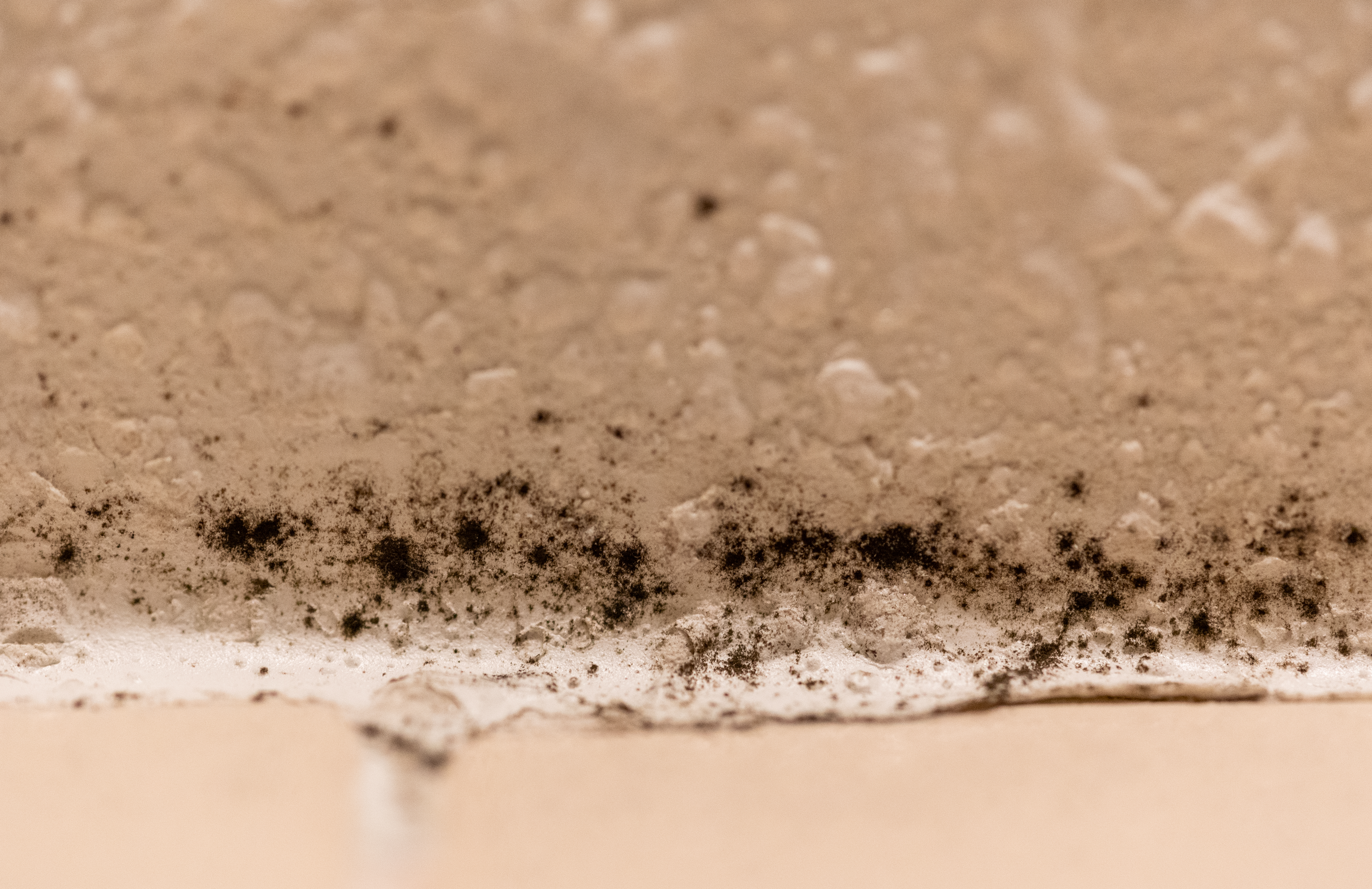
How to Remove Mold from Your Shower
Effectively removing mold requires the right techniques and products. Here’s a detailed guide to help you:
| Step | Instructions |
|---|---|
| 1. Prepare Cleaning Solution | Mix equal parts of water and white vinegar in a spray bottle. |
| 2. Apply Solution | Spray the solution on the affected areas and let it sit for 10 minutes. |
| 3. Scrub the Area | Use a brush or sponge to scrub the moldy areas thoroughly. |
| 4. Rinse and Dry | Rinse the area with water and dry completely to prevent future mold. |
Preventing Mold Growth in Showers
Preventing mold is often easier than removing it. Here are some effective prevention techniques:
- Ensure proper ventilation by using an exhaust fan or opening windows during and after showers.
- Wipe down shower surfaces with a squeegee or towel after use to remove excess moisture.
- Use a mold-resistant shower curtain and regularly wash or replace it.

Additional Resources for Mold Management
For more information on different types of mold and their implications, visit:
- Orange Mold in Shower – examine variations of mold.
- Waterproof a Shower – prevention guide.
- Pink Mold 101 – insights on fungal issues in showers.
Furthermore, for broader mold issues in homes, refer to the EPA Mold Guide and explore Mold Control Basics for practical tips.
