
Ponte Santa Trinita Bridge, a symbol of Renaissance architecture, stands gracefully over the Arno River in Florence, epitomizing the zenith of Renaissance artistic and engineering innovations. Designed by Bartolomeo Ammannati and completed in 1569, the bridge combines elegance and functionality with its elliptical arches and harmonious proportions. Renowned for its striking beauty and historical significance, the bridge has survived floods and wars, symbolizing resilience and craftsmanship revered across centuries.
| Feature | Description | Significance |
|---|---|---|
| Design | Elliptical arches, harmonious proportions | Showcases Renaissance engineering ingenuity |
| History | Completed in 1569 by Bartolomeo Ammannati | Represents a pinnacle of Renaissance art |
| Resilience | Survived floods and wars | Symbol of enduring craftsmanship |
The Artistic Marvel of Elliptical Arches
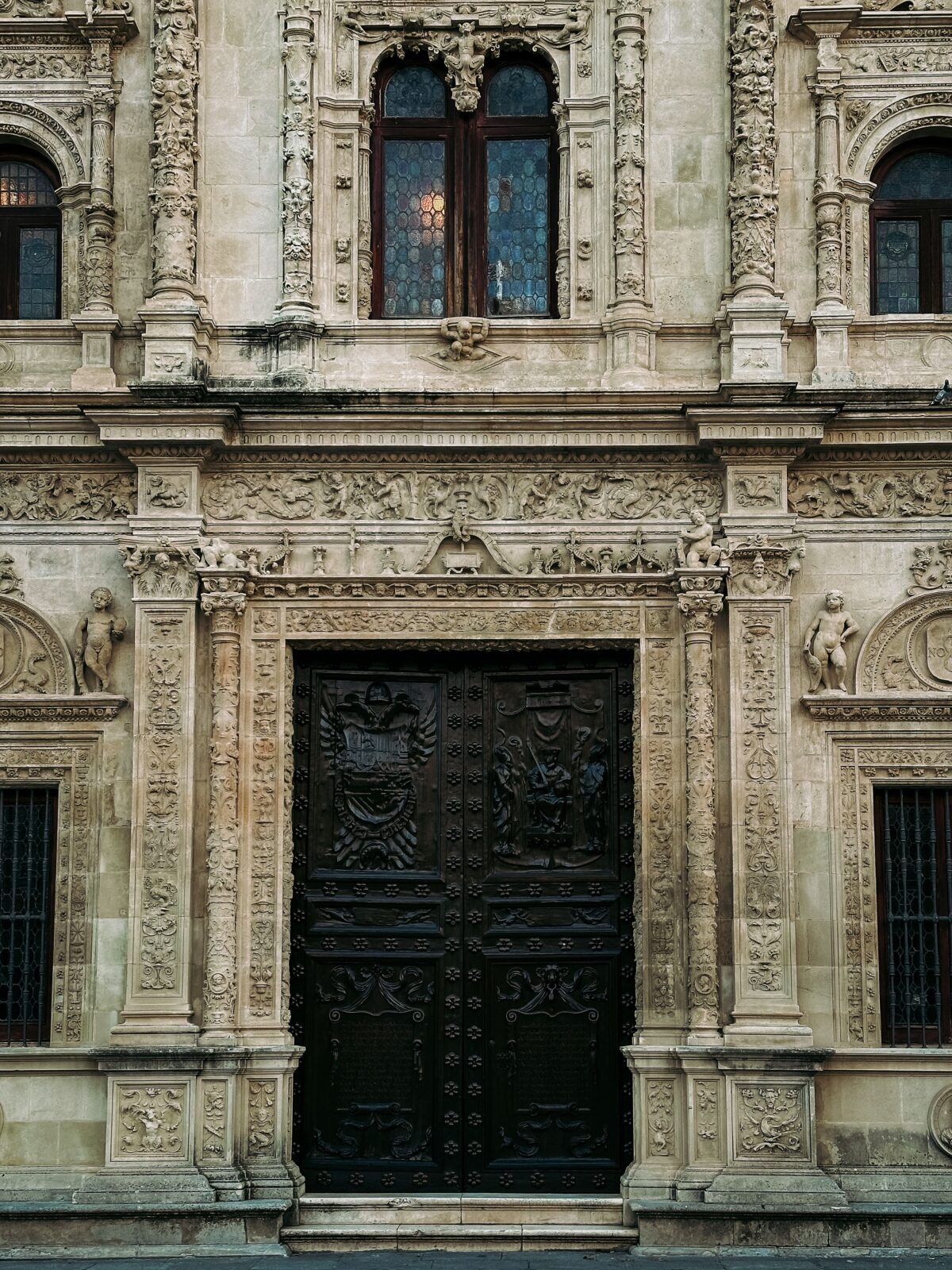
There's something hypnotic about the graceful curve of an elliptical arch, isn’t there? Ponte Santa Trinita’s arches don't just exude aesthetic pleasure; they exemplify the ingenious breakthroughs of Renaissance engineering. This design choice challenges the typical semi-circular arches of the time, pushing boundaries to create a more refined, visually appealing structure. The unique elliptical arches not only enhance the bridge's appearance but also allow it to handle the dynamic pressures exerted by the Arno River’s current and the bustling activity above.
Bartolomeo Ammannati’s Visionary Touch
When you walk across the Ponte Santa Trinita, you're stepping into the mind of Bartolomeo Ammannati. Conceived under his artistic and architectural oversight, the bridge is a testament to his innovative flair for blending form and function. Ammannati didn’t just construct a bridge; he sculpted a masterpiece that resonates with the harmonious symmetry and balance quintessential to Renaissance values. Throughout the structure, his meticulous attention to detail manifests in the perfect alignment of each stone, echoing a time when art and practicality were elegantly intertwined.
A Saga of Survival and Renewal
Ponte Santa Trinita’s story doesn’t just speak of artistic triumph; it’s a narrative of resilience. Think about it: this bridge has weathered floods that consumed Florence and wars that threatened to erase its splendor. Notably, during the Second World War, it faced near destruction. Yet, like a phoenix, it rose again, carefully restored to mirror its original design with stones painstakingly retrieved from the Arno River. Each phase of restoration adds another chapter to its enduring tale—a true embodiment of perseverance through time.
An Invitation to Experience History
Stepping onto the Ponte Santa Trinita is more than a stroll across the Arno; it’s an invitation to traverse the centuries. Picture the generations that have crossed this structure, from Renaissance artists to modern-day admirers. This bridge is not just a connector of places, but an integral part of Florence’s pulsating heartbeats through the ages.
So, what are your thoughts on living history through architecture? Share your thoughts or personal experiences with Renaissance structures in the comments below!
Why Is the Ponte Vecchio Bridge Such an Icon in Florence?
The Ponte Vecchio stands out for its romantic, centuries-old design and the tiny jewelry shops perched along its span over the Arno River. It’s one of the few bridges in the world where you can still browse for gold and souvenirs right above the water. Built in medieval times, the Ponte Vecchio’s beauty and charm have endured, making it a must-see for anyone exploring Florence’s renowned Renaissance heritage. Only a short walk away, the graceful arches of the Ponte Santa Trinita Bridge offer another compelling example of the city’s artistic brilliance.
How Did Florence Become the Powerhouse of Renaissance Culture?
Florence rose to prominence during the Renaissance thanks to influential families like the Medici, who invested heavily in art, culture, and scientific discovery. Creative minds such as Michelangelo, Leonardo da Vinci, and Brunelleschi flocked to this thriving cultural center, pioneering innovative artwork and architectural masterpieces. This spirit of invention spread throughout the city, visible not just in grand palaces and cathedrals, but also in elegant bridges like Ponte Santa Trinita, symbolizing Florence’s forward-looking vision.
Which Architectural Marvels Showcase Florence’s Renaissance Legacy?
Florence is a treasure trove of Renaissance landmarks. These include the breathtaking Duomo of Santa Maria del Fiore, with its massive dome engineered by Brunelleschi, and the stately Palazzo Vecchio, the political heart of the city. The Uffizi Gallery, brimming with Renaissance masterpieces, stands as a testament to the city’s devotion to the arts. Meanwhile, the refined design of the Ponte Santa Trinita Bridge exemplifies the period’s focus on harmony and proportion, underscoring Florence’s reputation as an open-air museum of Renaissance achievements.
Is Florence Truly the Birthplace of the Renaissance?
Yes. Although artistic and intellectual pursuits were flourishing throughout Italy, Florence is widely recognized as the place where Renaissance ideals first took root in the late Middle Ages. The city’s early commitment to patronage of the arts set the stage for a cultural revolution that would redefine Europe. Today, you can walk across bridges like Ponte Vecchio and Ponte Santa Trinita or admire your reflection in the waters of the Arno and feel the spirit of creative energy that once sparked a new era in human history.
In conclusion, Ponte Santa Trinita Bridge stands as a timeless testament to the beauty and innovation of Renaissance architecture. Its elegant design and historical significance make it a must-see landmark for anyone visiting Florence. As you walk across this iconic bridge, you can't help but feel connected to the rich artistic heritage of the city and the brilliant minds that shaped it.
Stay Connected with Architecture Adrenaline
If you're passionate about architecture and want to stay updated on more fascinating stories like the Ponte Santa Trinita Bridge, be sure to follow Architecture Adrenaline on Instagram at Architecture Adrenaline Instagram. Discover more architectural wonders, delve into the history of iconic structures, and explore the world of design with our engaging content. Join us on this journey to celebrate the marvels of architecture and design!
