
When tackling a major remodeling project, selecting the right wood for flooring and other applications is crucial to achieving a cohesive and aesthetically pleasing outcome. One common dilemma homeowners face is choosing between red oak and white oak, particularly when it comes to staining and matching elements like floors, railings, and wall caps. Here's a detailed look at the considerations involved in this decision.
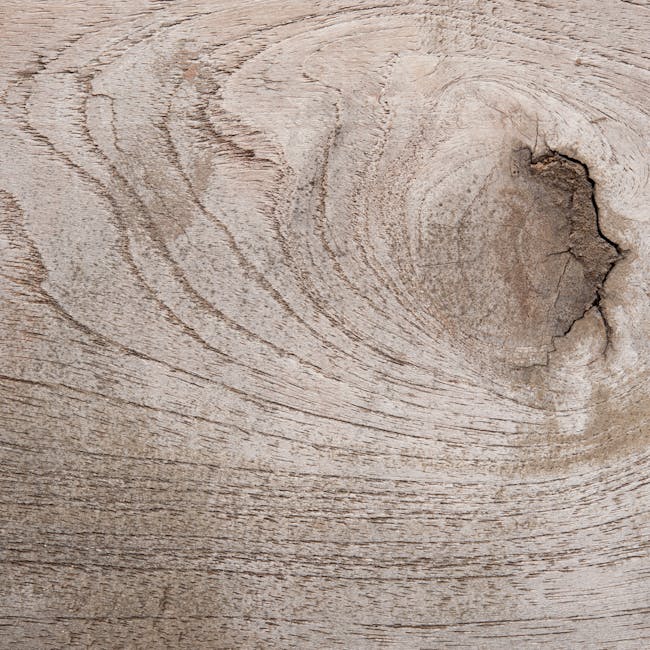
Identifying Red Oak vs. White Oak
Oak is a popular choice for home projects due to its durability and natural beauty. However, distinguishing between red oak and white oak can be essential for color-matching, especially when using stains.
- White Oak: Typically ranges in color from light to dark brown and dark yellow. It has a narrower, less dramatic grain.
- Red Oak: Known for its pink-reddish hue and more pronounced, wavy grain patterns. It is softer and more porous compared to white oak.

Staining Characteristics
The choice of stain can significantly impact the final look of the wood. For this project, the individual used Minwax Early American stain. However, red oak and white oak respond differently to stains:
- Red Oak: Its open grain structure allows it to absorb stain easily and evenly, which can enhance its natural grain pattern. However, the porous nature also makes it more susceptible to color variations.
- White Oak: Less porous due to tyloses, it is more water-resistant but provides a more subtle, even finish with stains. This makes it harder to achieve a uniform look across different pieces.
Red Oak vs White Oak Flooring
Durability and Applications
Both types of oak are durable, but they have different applications based on their properties:
- White Oak: More water-resistant and durable, making it suitable for areas exposed to moisture like bathrooms and kitchens. It's also historically used in shipbuilding.
- Red Oak: Slightly less resistant to water but still strong and durable, making it ideal for indoor furniture, cabinetry, and flooring.
Practical Advice for Matching Colors
In a remodeling project where achieving a cohesive look is important, here are some practical tips to consider:
- Testing: Always test the stain on a scrap piece of the wood you plan to use. This helps you see how the wood absorbs the stain and the resulting color.
- Visual Separation: If the red oak and white oak elements are not placed directly adjacent, slight color variations might be less noticeable.
- Consistency: While floors can handle more variation, elements like handrails, balusters, and newels need a more consistent color to maintain a uniform look.
Challenges and Costs
One of the practical challenges in this scenario is sourcing the right size and type of wood. The individual found it difficult to source a 1x8 white oak board and settled for a 1x6, which they felt was inadequate. This led to contemplating using available red oak from local stores, though there was concern about matching the color with the already stained white oak elements.
| Factor | White Oak | Red Oak |
|---|---|---|
| Availability | More expensive and harder to find in specific sizes | Readily available at local home improvement stores |
| Cost | Higher cost due to scarcity and special orders | Generally more affordable |
| Staining | More uniform, subtle finish | More dramatic, varied color |
Both white oak and red oak have their unique advantages and challenges. For a remodeling project that demands precise color matching, testing stains on both wood types and considering their placement can help ensure a cohesive final look. Balancing availability and cost considerations is also crucial for making an informed decision.