
Sewer drain repair cost is a common concern for homeowners facing backups, slow drains, or unexplained odors. A practical, well-structured cost estimate helps you plan and compare options without overpaying. This guide combines typical price ranges, methods, and actionable steps to get accurate sewer drain repair cost estimates for your home. For authoritative guidance on permitting and inspections that can affect cost estimates, see Broken Sewer and Drain Lines – Guide to Repairs, Permits and Inspections.
What a sewer drain repair cost estimate typically covers
Most estimates bundle diagnosis, labor, materials, and necessary permits. Look for a clear line item that includes camera inspection, repair method (point repair, trenchless lining, pipe bursting, or full replacement), material type (PVC, cast iron, clay), any excavation or tunneling, and restoration work (landscaping, driveway, or sidewalk repair). Camera inspections are often billed separately but can reduce surprises by clarifying the scope before work starts. If your project involves private vs. public sewer work, a city guidance framework may influence responsibilities and timing; see the Chicago private-drains resources for context.
Typical cost ranges by repair type
Understanding the ballpark helps you evaluate bids. The following ranges reflect common residential scenarios and include labor, materials, and standard permitting; landscape restoration is often extra.
| Repair Type | Typical Cost Range |
|---|---|
| Minor spot repair / patching | $225 – $2,000 |
| Camera inspection (diagnostic) | $250 – $600+ |
| Trenchless pipe lining (CIPP) — per foot | $80 – $250 / ft |
| Pipe bursting / trenchless replacement — per foot | $100 – $250 / ft |
| Traditional dig-and-replace — short runs | $3,000 – $12,000 |
| Full replacement under slab or long run | $6,000 – $25,000+ |
How pipe material and depth influence the estimate
Pipe material and the depth of the line significantly affect cost. Clay and cast iron are typically more expensive to repair or replace than modern PVC, and deeper lines require more extensive digging, access, and restoration. In many cases, depth increases mobilization time and equipment needs, which drives up overall labor and restoration costs. For readers exploring cost context on Architecture Adrenaline, see Main Sewer Line Camera Inspection Cost for diagnostic considerations that feed into pricing.
When trenchless methods save time and money
Trenchless options (CIPP lining or pipe bursting) often cost more per foot than shallow dig repairs but avoid substantial landscaping, driveways, and lengthy disruption. For long runs or lines beneath hardscape, trenchless approaches can be more cost-effective overall due to reduced restoration and faster completion. For readers comparing options, Architecture Adrenaline also covers the cost implications of trenchless versus traditional methods in its drain-related cost guides such as Sewer Drain Cleaning Cost: Permit Insights.
What affects the price per foot vs. total project cost
Per-foot pricing is common, but the total price can differ widely depending on circumstances found during work. A shallow, open-yard run is cheaper per foot than a deep, buried line under a driveway or under a protected landscape. Always ask for a total project price and a per-foot breakdown to understand how each segment contributes to the final bill. For further context on overall project budgeting, Architecture Adrenaline's broader Home Improvement category offers budgeting guidance and context for related trades: Architecture Adrenaline Home Improvement category.
How material type changes the projection
Pipe material influences both method and longevity expectations. PVC/ABS is generally easier to work with and cheaper to repair or replace, while clay and cast iron may require more extensive work or full replacement. If relining is possible, it can extend the life of an aging system without full excavation. For readers assessing specific components and nomenclature, Architecture Adrenaline provides detailed breakdowns of plumbing parts and systems, such as Kitchen Sink Parts Breakdown: Names & Functions Explained to better understand associated plumbing elements.
Permits, insurance, and who pays what
Permits and inspections are commonly included in estimates, but confirm. Homeowners insurance often covers only certain triggers (not gradual deterioration). Ask the contractor to itemize permits and any insurance-related costs, and verify with your insurer whether a service-line endorsement or similar coverage is applicable. In Chicago, the Private Drain Program overview helps clarify who pays for private vs. public portions and when city involvement might adjust scope and costs. For a practical overview of private-drain steps, see Private drains program overview (Chicago 311).
Key questions to help you read and compare estimates
- Is a camera inspection included or required before work starts?
- What repair method is recommended and why?
- Are restoration and cleanup priced separately or included?
- What warranties apply to labor and materials?
- Will the contractor handle permits and inspections?
- What is the contingency plan if additional damage is found?
Factors that drive cost variations between properties
Two estimates for the same address can differ due to:
- Damage type and severity (cracks, offset joints, root intrusion, or collapse).
- Pipe age and material (clay, cast iron vs. PVC).
- Length and depth of the damaged segment and whether it sits under concrete or structures.
- Chosen repair method (spot repair, trenchless, or full replacement).
- Local labor rates, permitting requirements, and restoration needs.
How to request and compare estimates without sticker shock
Use a repeatable process to obtain clear, comparable bids:
- Begin with a camera inspection and ensure the cost is credited if you proceed or included in the estimate.
- Ask for line-item pricing: diagnostics, permits, labor, materials, and restoration.
- Evaluate recommended methods (spot repair, trenchless, replacement) and review warranties.
- Obtain at least three written bids and confirm whether restoration work is included.
Steps to take after you receive an estimate
Once you have a sewer drain repair cost estimate, take these practical steps to protect yourself and your budget:
- Review camera inspection findings and request photos or reports for reference.
- Ask the contractor to mark utilities and provide a site sketch showing access points.
- Request a project timeline and a milestone-based payment schedule.
- Confirm who secures and pays for permits and inspections.
- Keep a backup bid in case you need financing or insurance support.
Practical strategies to reduce the final bill
- Confirm scope with a camera inspection before committing to replacement.
- Compare multiple bids and explore alternatives (spot repair vs trenchless vs full replacement).
- Bundle related work (driveway or landscaping restoration) to reduce mobilization costs.
- Check for local rebates or municipal programs supporting sewer repairs in your area.
Warranty expectations and post‑work guarantees
Contracts should spell out warranties for both materials and workmanship. Typical ranges include a workmanship warranty of 1–5 years, with material warranties varying by product and manufacturer. Clarify who covers future backups and response fees for emergencies.
Reading the numbers: a practical example
For a mid-length trenchless job (lining or pipe bursting) under a yard with modest depth, you might see total project costs in the range of several thousand dollars, with per-foot pricing typically in the $80–$250 range depending on access and material. If the line sits under a driveway or under a slab, expect higher costs due to restoration and access complexity. For reference on related pricing and methods, Architecture Adrenaline’s topic pages provide focused context such as Sewer Drain Cleaning Cost: Permit Insights and Sewer Line Replacement Cost.
Next steps: making an informed choice
With a clear estimate in hand, you’re ready to decide between repair methods and plan for restoration. If you’re weighing trenchless against traditional excavation, weigh the disruption, landscaping impact, and long-term durability alongside the upfront price. A well-documented estimate helps you avoid surprises and select a solution that fits your budget and timeline. For deeper understanding of how private drains are treated in municipal programs, see the City of Chicago Private Drain Program overview and the corresponding Chicago 311 guidance linked above.
Join the conversation
Have you recently obtained a sewer drain repair cost estimate? What method did you choose and why? Share your experience, ask questions, or post links to bids you received so others can learn from real-world decisions.
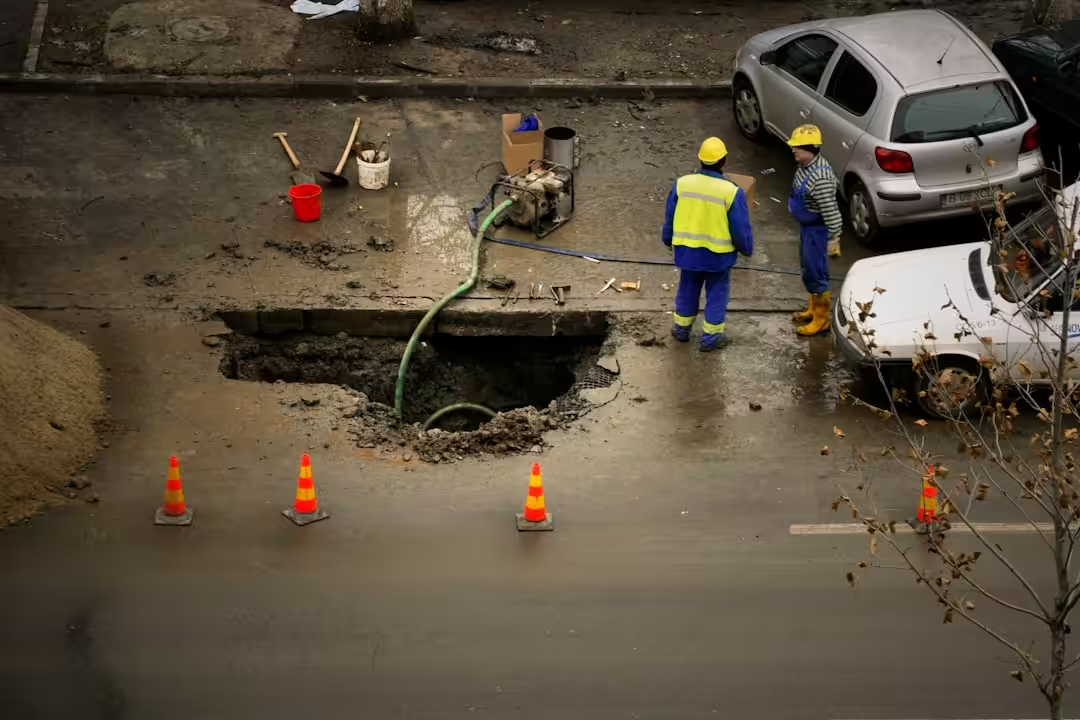
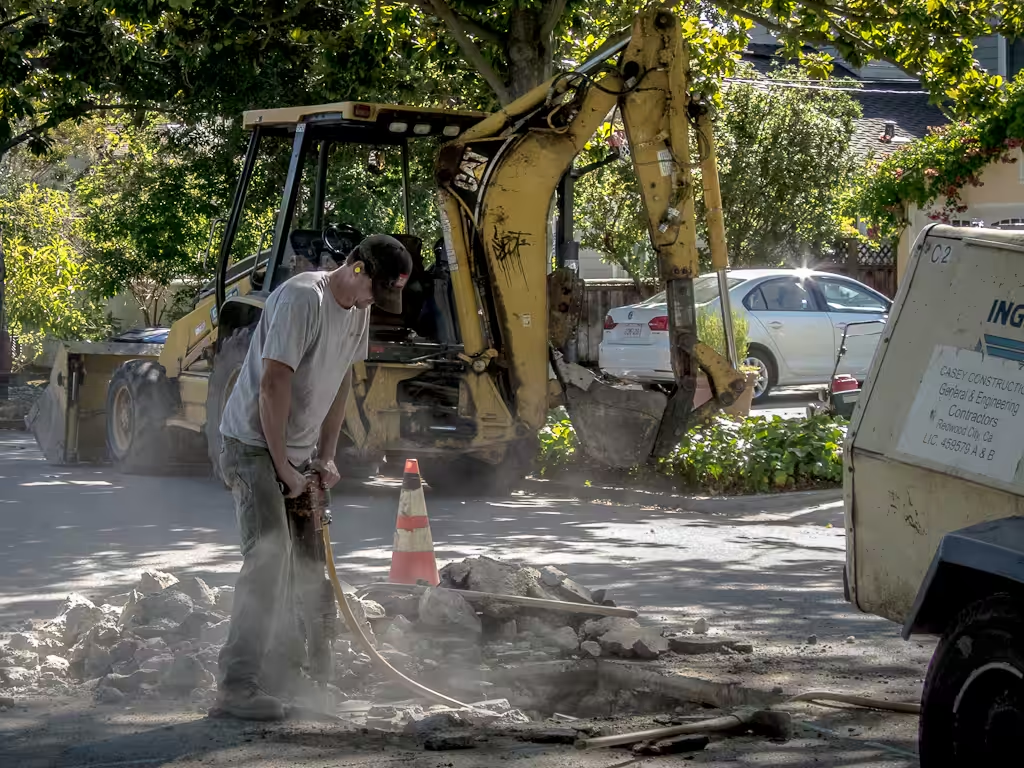
How much does it cost to replace my sewer line? - Pricing Breakdown and Analysis:
When it comes to sewer drain repair, understanding the potential costs can feel overwhelming, but you don’t have to navigate it alone. By getting estimates from professionals, considering DIY options when appropriate, and investing in regular maintenance, you can keep your expenses manageable. Remember, a little proactive care can go a long way in avoiding significant repairs down the road. Your home deserves the best, and when it comes to your sewer system, being informed is key!
Stay Connected and Informed
I hope this guide helps you gain clarity on sewer drain repair costs! If you want to keep up with the latest tips and find more helpful content just like this, don't hesitate to join our community on social media. Check out our Instagram for inspiration and updates: Instagram. Your home is your sanctuary, and together, we can keep it running smoothly!