
Siding replacement in Denver typically requires a building permit from the City and County of Denver, with many like-for-like updates qualifying for a streamlined Quick Permit. The central question is: can you upgrade exterior siding without a full plan review, and what steps ensure a smooth approval? The answer hinges on scope, structure, and historic considerations, but with careful preparation, you can often shorten timelines and avoid surprises by starting in the right portal and confirming eligibility early.
Denver permit streams and where to start
The City and County of Denver administer permits through the Community Planning and Development department. For exterior siding work, two main streams matter:
- Quick Permits — for limited, non-structural exterior work that does not require full plan review. These are faster and typically lower in cost, but eligibility depends on scope and site conditions. Denver Building and Fire Code (2022 edition) provides the code framework used in permit decisions.
- Standard Building/Trade Permits — for work that affects wall assemblies, sheathing, insulation, or structural elements. These require plan review and inspections. For a general overview of the permit process, see Plan Review, Permits, and Inspections – Denver CPD.
Applications are submitted through the ePermit (Accela) portal. Use it to confirm whether your scope qualifies for a Quick Permit or requires a standard permit.
When a siding project triggers a full review
Permits and plan reviews are required whenever siding work goes beyond a simple panel swap. Typical triggers include:
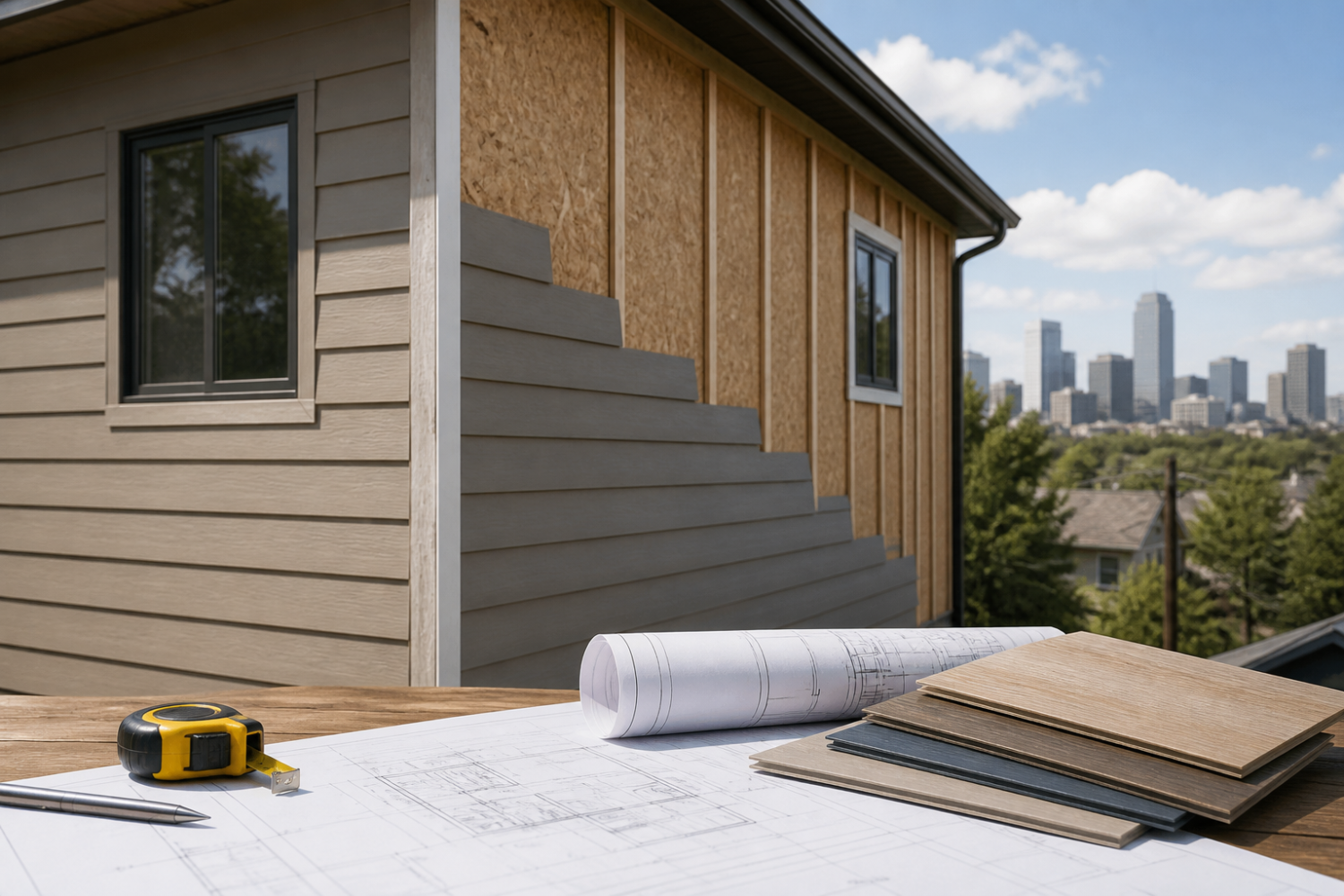
- Exposure of wall sheathing or framing due to siding removal and repair needs
- Replacement or modification of the wall assembly (including insulation or furring)
- Structural changes around openings or eaves that affect load paths
- Changes that affect occupant load, exiting design, or egress routes
If you’re simply swapping siding with the same material and do not modify the wall assembly, you may qualify for a Quick Permit. Always verify eligibility in the ePermit portal or with Plan Review staff before starting.
Quick Permits: what they cover for siding
Quick Permits streamline low-risk exterior work. For siding, the key is scope limitation and non-structural work. Practical pointers include:
- They bypass full plan sets and lengthy reviews, expediting approval.
- Projects that involve exposed sheathing or wall-assembly changes require a standard permit.
- Submit requests through the Plan Review pages or email [email protected]; the ePermit system will indicate eligibility for your address and scope.
Historic districts and landmark guidance
In historic districts or for designated landmarks, design review may add steps. The Landmark Preservation office can require a certificate of appropriateness even for like-for-like siding changes. Practical steps to avoid delays:
- Consult Landmark Preservation staff before pulling a permit to determine whether materials, color, or trim details need approval.
- Historic façades may require formal review to preserve character, which can add processing time.
- Parallel processing with permitting is common; revisions requested during landmark review can extend timelines.
Step-by-step: applying for siding permits
Adopt a practical workflow to minimize delays. The typical path:
- Log into your Denver ePermit account (Accela Citizen Access).
- Choose Quick Permit for eligible siding work or Building/Trade Permit for more complex projects.
- Attach essential documents: scope of work, contractor registration, site address, and photos. Complex cases may require wall assembly diagrams and details at openings.
- Submit and pay fees via the portal. Quick Permits are usually cheaper and faster; standard permits include plan-review fees (often around 50% of the permit fee for larger projects).
- Schedule required inspections, such as a sheathing/WRB inspection if there’s exposed sheathing, and a final exterior inspection after completion.
Typical processing times vary: Quick Permits can be issued in a few business days; standard plan reviews may take several business days to a few weeks depending on workload and landmark considerations.
Costs, fees, and how Denver calculates them
Denver uses a valuation-based fee structure for most trade permits. Key points:
- Permit fees depend on the project’s valuation (total job cost, including materials and labor).
- Plan review fees apply to standard permits when the project valuation exceeds a threshold (often around $2,000).
- Quick Permits generally have lower fees and do not include plan review; exact amounts appear in the ePermit entry.
Concrete examples for reference (figures update; verify in Accela or ePermit for your project):
- Siding Replacement (standard permit): base figures plus valuation-based fees
- Medium-scale building permits (e.g., $8,000 valuation) start around a modest base and rise with valuation; plan review adds about 50% for eligible projects above the threshold
- Other project types (bathroom/kitchen remodel, roof replacement) have their own valuation-based schedules
To obtain an exact figure, use the Denver Permit Cost Calculator in Accela or enter your project valuation in the ePermit portal. Fees are published by CPD and are transparent when you input your scope.
Right-of-Way, staging, and public-space considerations
If your siding work encroaches on public space or requires staging on sidewalks or streets, additional permits may apply. Denver DOTI issues Right-of-Way permits in such cases. Practical steps:
- Plan ROW approvals early to avoid delays.
- Coordinate with the ROW office to align permit timing with project milestones.
- HOAs may require architectural approvals; some contractors coordinate with HOA review committees on your behalf.
Contractor credentials, inspections, and on-site paperwork
Compliance reduces delays and ensures durable results. Practical reminders:
- Verify your contractor’s Denver registration and required insurance through the ePermit portal or contract documents.
- Post the permit card on-site and ensure work aligns with the approved scope (flashing, WRB, trim at openings).
- Schedule required inspections: likely a sheathing/WRB inspection if exposed, and a final exterior inspection when work is complete.
Material choices, durability, and why permits matter
Permits help ensure long-term performance in Denver’s climate. Key considerations include:
- Proper flashing at openings, correct WRB installation, and accurate trim detailing to prevent water intrusion and rot behind siding.
- Material choices (vinyl, fiber cement, wood, or alternatives) interact with freeze-thaw cycles, hail, and UV exposure; permit reviews weigh safety, code compliance, and performance.
- If asbestos siding is present, specific handling and abatement rules may apply; identify material type before demolition.
Common mistakes and how to avoid them
Avoid typical missteps that stall siding projects in Denver:
- Assuming “like-for-like” always bypasses permitting—if sheathing or structural elements are affected, a standard permit is required.
- Overlooking landmark reviews in historic districts—this can trigger stop-work or redesigns if not addressed early.
- Underestimating project valuation in the ePermit—under-reported values can trigger mid-process fee adjustments and slow inspections.
- Ignoring ROW requirements when staging materials or equipment—ROW permits add time and cost if not planned for up front.
Checklist for homeowners before signing a siding contract
To avoid surprises, confirm these items with a contractor before pulling permits:
- Active contractor registration and proof of insurance; confirm who pulls permits and maintains approved scope.
- A detailed plan showing flashing, WRB, and head/jamb detailing at openings.
- Documentation of wall condition (sheathing) prior to stripping to anticipate repairs and permit needs.
- Clear handling of hazardous materials (asbestos) and any required Right-of-Way work or public-space management.
Practical next steps for Denver siding initiatives
If you’re planning siding replacement near Denver, begin by logging into the ePermit (Accela) portal and entering a realistic scope and valuation. Historic-district properties should involve Landmark Preservation early. For straightforward like-for-like siding (e.g., vinyl), Quick Permit eligibility is common and can speed up approvals. For more complex assemblies (insulation upgrades, sheathing replacement, or material changes such as stucco to fiber cement), expect a full permit, plan review, and inspections.
| Work Type | Permit Type | Notes |
|---|---|---|
| Simple vinyl or aluminum siding replacement | Quick Permit or standard permit (verify via ePermit) | No plan review required if eligible; confirm scope |
| Replacing sheathing, adding insulation, or structural changes | Standard Building Permit | Plan review and inspections required |
| Historic district or landmark property siding | Landmark Preservation review required | Certificate of Appropriateness may be needed |
| Work affecting sidewalks/streets (ROW) or staging | Right-of-Way permit from DOTI | Coordinate early; may require traffic control plans |
Are you planning siding replacement in Denver soon? Share your questions or experiences in the comments, or tell us what steps helped you move a siding project forward smoothly. For official guidance, see Plan Review, Permits, and Inspections – Denver CPD and the Denver Building and Fire Code (2022 edition).
Useful reference for broader context on siding and permitting timelines from Architecture Adrenaline includes guidance on quick-permit considerations and Denver-specific timing. See Siding Installation Quote Nearby and Roof Replacement Cost Denver.
For materials or tool considerations relevant to siding work, you might review purchasing options such as Vinyl siding installation tools on Amazon.
```
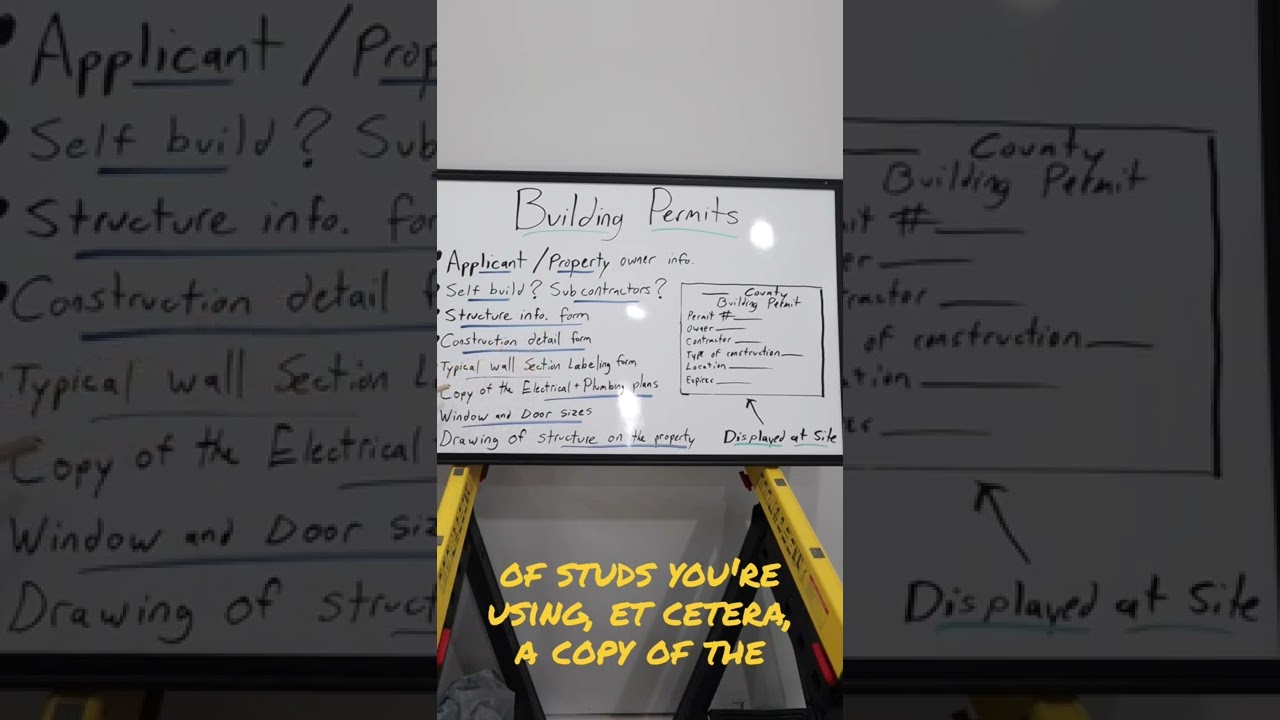
Building Permits Process Explained! #shorts #diy #construction:
Replacing your siding can be a thrilling yet daunting task, especially when navigating the permit requirements in Denver. It’s important to check in with your local regulations to ensure everything is up to code, but remember, you’re not alone in this process! Many homeowners have tackled siding replacements, and sharing experiences can be incredibly valuable. So, as you embark on this journey, stay informed and be bold in making your home more beautiful and functional!
Stay Connected for More Tips!
If you’re eager to learn more about home improvement or just want to share your siding tales, I’d love for you to join our community! You can find us sharing inspiration and tips over on our social media pages, like Instagram where we highlight some amazing projects - check it out here. Your next adventure in home improvement awaits, and we’re here to cheer you on every step of the way!
