
If you're navigating the world of woodworking, the choice between a table saw and a circular saw can seem daunting. Both tools offer unique benefits and serve different purposes. It's crucial to understand their functionalities, pros, cons, and applications to make an informed decision.

Table Saw Overview
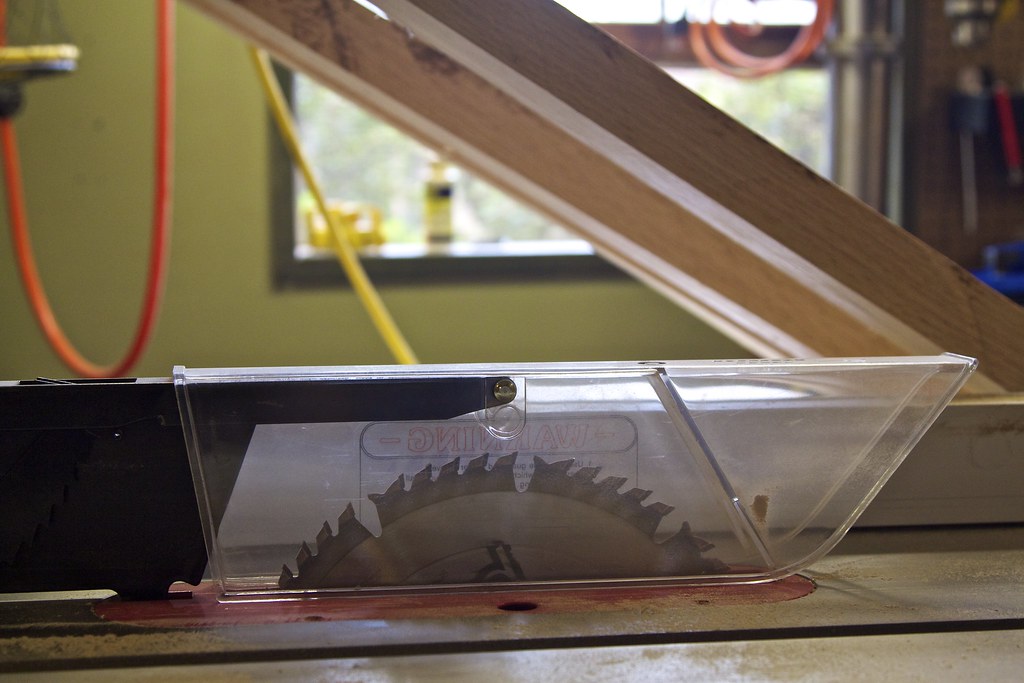
A table saw is a stationary tool with a blade mounted beneath a tabletop, ideal for making long and precise cuts. It uses a rip fence to guide the material being cut, making it particularly adept at rip cuts, among other types.

Uses of Table Saws
- Rip Cuts: Cutting along the length of a board.
- Bevel Cuts: Cutting at an angle other than 90 degrees.
- Crosscuts: Cutting across the grain of the board.
- Miter Cuts: Angled crosscuts, often used for trim and molding.
- Dados, Grooves, and Rabbets: Making cuts for joining pieces.
Cutting Capacity of Table Saws
| Aspect | Specification |
|---|---|
| Rip Capacity | Generally around 24 inches |
| Depth of Cut | Usually 3 to 4 inches |
Pros and Cons of Table Saws
- Pros: High precision in long cuts, larger work surface suitable for big pieces.
- Cons: Heavy, bulky, and limited in portability.
What Is a Bandsaw: Essential Features and Advantages
A circular saw is a portable power tool with an exposed blade positioned above a base plate. It's suitable for various materials, including wood and concrete. The user must guide the saw along the cut line, allowing for both straight and specialized cuts.
Uses of Circular Saws
- Crosscuts: Cutting across the grain of the material.
- Rip Cuts: Cutting along the length of a board.
- Compound Cuts: Combining miter and bevel cuts.
- Plunge Cuts: Creating holes in the middle of a material.
Types of Circular Saws
- Standard Circular Saw: Versatile and budget-friendly.
- Worm Drive Saw: More powerful, larger, and suited for heavy-duty tasks.
- Miniature Circular Saw: Ideal for tight spaces; less cutting capacity.
- Track Saw: Provides a guide for accurate cuts in sheet goods.
Pros and Cons of Circular Saws
- Pros: Light, portable, versatile for various cuts and materials.
- Cons: Requires skill for freehand cuts, less precise without a straightedge.
Comparison of Table Saw and Circular Saw
| Criteria | Table Saw | Circular Saw |
|---|---|---|
| Portability | Less portable, often stationary | Highly portable |
| Ease of Use | Generally easier for consistent cuts | Requires more skill |
| Versatility | Limited to specific wood cuts | More versatile, cuts various materials |
| Accuracy | Higher precision in cuts | Less precise without guides |
| Cost | Generally more expensive | More budget-friendly |
Recommendations
- For beginners or those on a budget, a circular saw is more economical and versatile.
- Serious woodworkers might invest in both saws to capitalize on each saw's strengths, with the table saw providing precision and the circular saw offering flexibility.
Final Thoughts
Choosing between a table saw and a circular saw depends largely on your specific needs and projects. Consider the type of cuts you'll make, the materials you use, and whether you need the tool to be portable. By weighing these factors, you can determine which saw fits best in your woodworking arsenal.
An essential component to consider for your circular saw needs is the Bosch 2609256806 150mm Standard Circular Saw Blade. This durable and precise option is an excellent addition to your toolkit.
