
3D rendering is the digital creation or recreation of a scene in three dimensions, offering vast possibilities in visual presentation. Its versatility allows the creation of photorealistic or artistic visuals for various applications, such as architecture, marketing, and landscape visualization.
Key Benefits of 3D Rendering
The benefits of 3D rendering are numerous, making it an invaluable tool in the fields of architecture and design.
- Control over Lighting: 3D renderings offer complete control over lighting conditions, whether simulating different times of day or varying seasonal light effects. This eliminates the need to rely on natural weather conditions.
- Project Visualization: During the planning stages, 3D renderings enable architects and builders to explore options without the need for physical assets.
- Modification Ease: Changes can be easily made to existing 3D renders without the need to schedule new photography sessions.

Advancements in Communication and Marketing
3D rendering significantly enhances marketing and branding efforts by ensuring consistency in visuals, which helps maintain color schemes and design elements. It also reduces the costs associated with hiring multiple professionals for onsite shoots. By utilizing 3D renderings, professionals can effectively communicate complex ideas to clients and stakeholders.
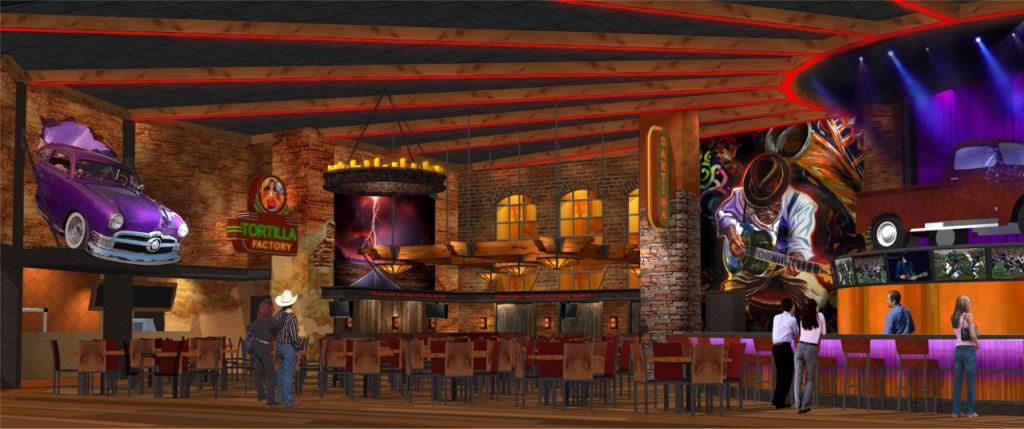
Moreover, 3D renderings provide precise measurements and dimensional information that traditional photography cannot capture. This enhancement in the understanding of spatial relationships in design improves overall project accuracy and effectiveness.
Want to start 3D Rendering? WATCH THIS.

Understanding the Market Growth
The demand for 3D rendering continues to grow, driven by its wide-ranging applications and benefits.
- Photorealistic Visualization: Allows clients to fully grasp designs within a lifelike context, aiding in project approval and discussions.
- Error Identification: Uncovers discrepancies between the architect's and client’s visions, reducing costly changes later in the design process.
- Shopping Lists: Provides clients with specific items such as materials and furniture, aiding in efficient procurement.

Application in Residential Architecture
In residential architecture, 3D rendering is essential for communicating design concepts effectively. It improves communication between architects, construction companies, and clients, addressing questions related to project execution.
| Application | Benefit |
|---|---|
| Marketing | Creates tangible interest through high-quality visuals. |
| Detailed Imagery | Provides specific views of interiors and exteriors for better material and finish visualization. |
| Remote Presentations | Facilitates easy sharing of designs with clients in different locations. |
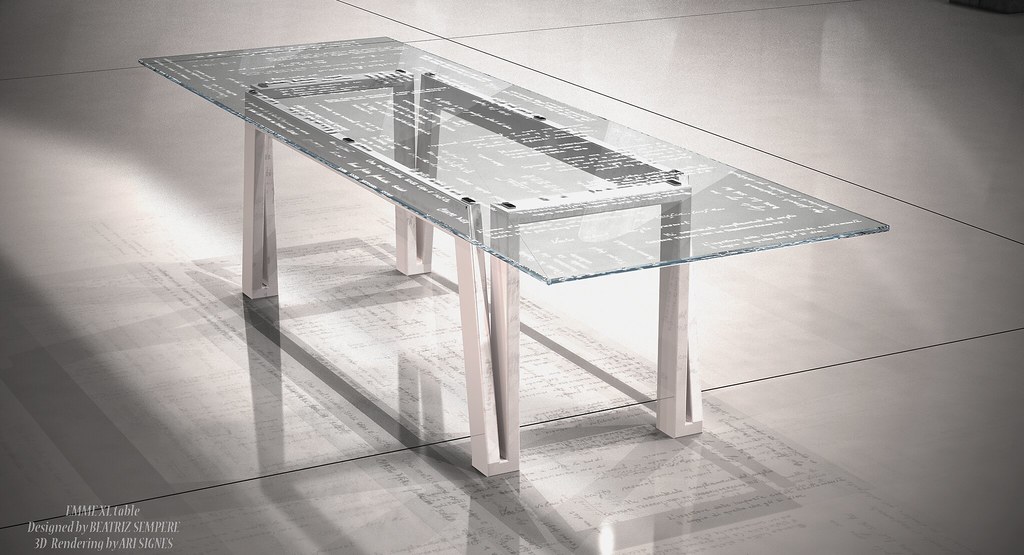
"3D Rendering EMME XL 1" by 'Ari' is licensed under CC BY-ND 2.0. To view a copy of this license, visit https://creativecommons.org/licenses/by-nd/2.0/.
Conclusion
The utilization of 3D rendering in architecture significantly enhances the design process, communication among stakeholders, project management efficiency, and client engagement. It establishes itself as a crucial element in modern architectural practices, providing comprehensive benefits that improve overall project outcomes. For a more detailed comparison of tools used in these practices, consider reading our article SketchUp vs Fusion 360: Which Software Reigns Supreme?. Additionally, for insights on creating compelling presentations, check out our guide on Unlocking the Secrets: How to Make an Architectural Presentation.
