
Replacing electrical panels and wiring is a significant home improvement project that not only enhances safety but also boosts efficiency and ensures compliance with modern standards. In this blog post, we'll delve into the costs, signs that indicate it's time for a replacement, and the key considerations involved in this essential upgrade.
Understanding Electrical Panels
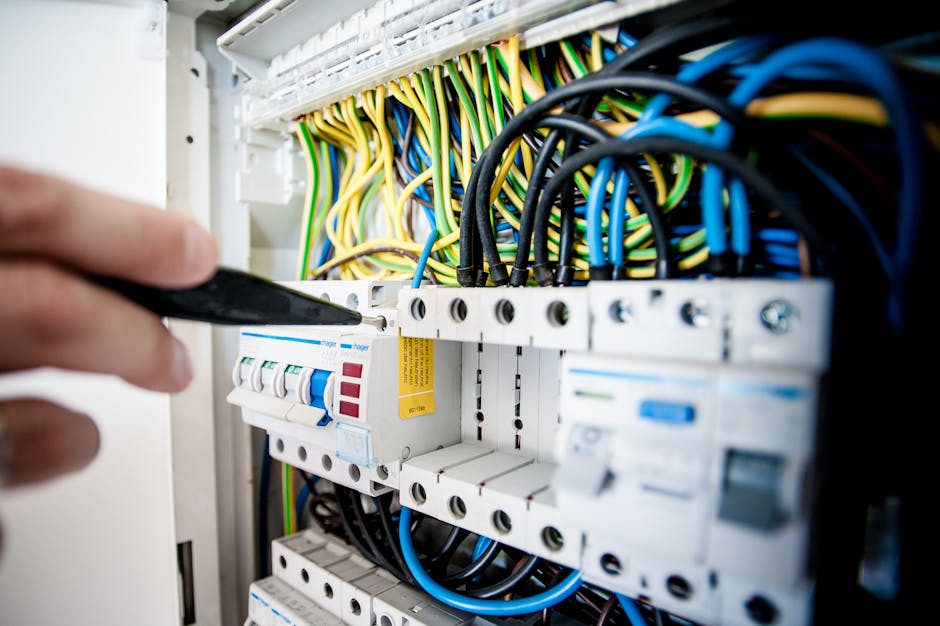
Electrical panels play a crucial role in home power management. They serve as the main control for distributing electricity to various circuits throughout your home. Their importance cannot be overstated, as electrical panels are central to maintaining the safety and functionality of your home’s electrical systems.
When to Replace Your Electrical Panel
How do you know when it's time to replace your electrical panel? Here are several indications:
Age and Condition
Electrical panels typically last between 20 to 40 years. If your panel is reaching this age range, it might not meet current energy demands and could pose safety risks.

Safety Concerns
- Frequent breaker trips
- Unusual noises or flickering lights
- Rust, corrosion, or other visible damage
Energy Efficiency
Older panels often lead to higher energy bills and reduced efficiency. Upgrading your panel can improve safety and provide cost savings. Homeowners can take advantage of rebates and tax credits, such as the Electric Panel Upgrade Tax Credit, which can cover up to 30% of the project cost.
Cost Breakdown for Replacing Electrical Panels
Basic Costs
The cost of a new electrical panel ranges from $250 to $450. However, this cost can increase based on the amperage required and the complexity of the installation.
Labor Costs
Professional electricians charge between $50 and $150 per hour, with an average installation taking around 4 to 8 hours. This results in labor costs ranging from $1,000 to $3,000.
Upgrading to a Smart Panel
Smart panels offer enhanced energy management but come at a higher price, ranging from $2,000 to over $5,000.
Addition of Subpanels
If your home needs additional circuits but not a complete panel replacement, you might consider installing a subpanel. This can cost between $500 and $1,800.
Overall Cost Range
The overall costs to replace an electrical panel can vary widely:
| Service | Cost Range |
|---|---|
| Basic panel replacement | $750 - $2,000 |
| Upgrading to 200-amp panel | $1,275 on average |
| Rewiring a home | $8,000 and above |
Factors Affecting Replacement Costs
Panel Size and Amperage
Larger panels with higher amperage will increase the overall cost. For example, upgrading from a 100-amp to a 200-amp panel is significantly more expensive and might require utility approval.
Accessibility and Additional Work
The location and accessibility of the panel can impact labor costs. Relocating a panel or adding new outlets may further increase expenses.
Financial Assistance and Incentives
Homeowners should explore federal, state, and local rebates and programs designed to offset the cost of electrical upgrades. Tax credits for energy-efficient improvements are also available, potentially covering up to $600 for panel upgrades, which makes it worthwhile to conduct thorough research.
The Importance of Professional Installation
While some might consider a DIY approach to save costs, it’s critical to hire licensed electricians. Professional installation ensures compliance with safety codes and legal requirements, minimizing risks and potential insurance issues.
Panel Change Pricing
Future-Proofing Your Home
Upgrading your electrical panel aligns your home with modern electrification needs, such as electric vehicle charging and integrating solar energy systems. This investment not only enhances safety and efficiency but also adds value to your property.
Conclusion
Replacing an electrical panel is a complex yet crucial task for maintaining a safe and efficient home. Understanding the costs, recognizing the signs for replacement, and hiring qualified professionals are vital steps in this essential upgrade. By doing so, you ensure your home's electrical system is safe, efficient, and prepared for the future.
For more tips and resources, follow us on Pinterest, Instagram, X, and Facebook.
