
The Importance of Tannins in Wood sits at the center of how wood looks, behaves when exposed to moisture, and responds to finishes. This guide consolidates key insights about tannins from diverse wood species, practical staining challenges, and techniques to manage tannin-related effects in crafting, finishing, and maintenance. For readers seeking a broader design-context example of how architectural-scale experiences hinge on material behavior, Architecture Adrenaline also covers dynamic environments such as large-scale theme parks and landmark restorations that hinge on material selection and aging, including a feature that discusses how mass-market venues optimize visitor experience with durable finishes. Discover the Spectacular Features of the World's Largest Amusement Park.
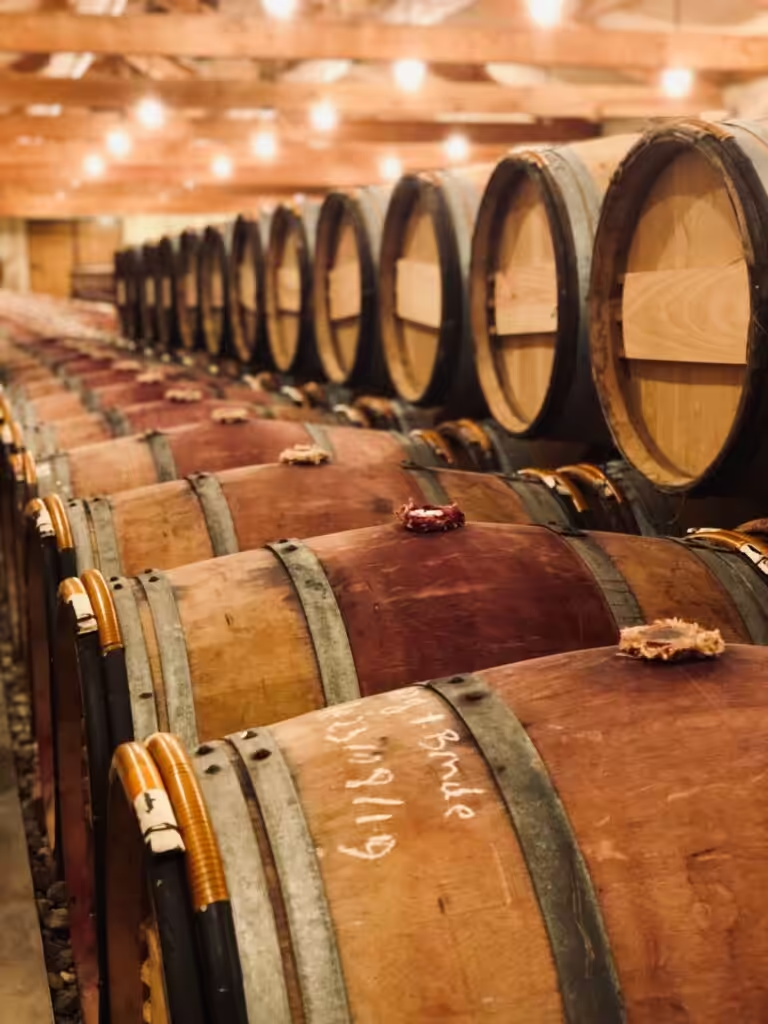
| Wood Type | Tannin Behavior | Practical Concern |
|---|---|---|
| Oak | High tannin levels; water-soluble extractives leach when wet | Tannin bleed, iron stains, discoloration under coatings |
| Quebracho Hardwood | Very high condensed tannins (used industrially) | Powerful extractives—use supplier specs; used for tanning leather |
| Cedar | Moderate–high tannins plus aromatic extractives | Staining of adjacent surfaces, finish compatibility issues |
What tannins are in wood and why they matter
Tannins are naturally occurring polyphenolic compounds concentrated in heartwood, bark, leaves, and sapwood. They deter insects and fungi and slow decomposition, providing a natural defense for the tree. For woodworkers, tannins influence three practical aspects: color development and patina, extractive bleed when timber gets wet, and chemical reactions (notably with iron) that create dark stains. These effects show up across species from oak to quebracho, affecting how finishes perform and how surfaces age.
Durability, decay resistance, and tannins
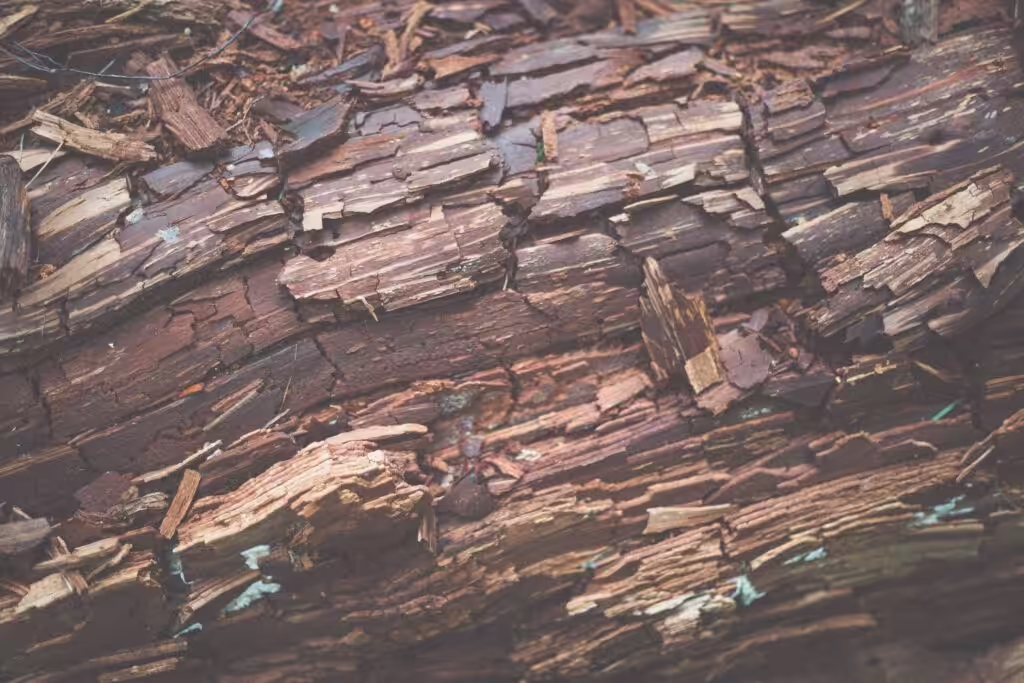
Tannin-rich woods often exhibit enhanced natural resistance to biological attack because tannins can precipitate proteins and interfere with fungal enzymes. This helps explain outdoor durability for species such as oak and certain tropical woods. However, tannins are not a universal substitute for traditional preservative treatments; durability depends on tannin type, concentration, and wood structure. Plan to combine inherent tannin strength with industry-standard treatments for long-term performance.
Tannin stains: causes, patterns, and prevention
Most tannin stains form when water mobilizes soluble extractives or when tannins react with metal ions (iron is most common) to produce dark iron-tannin complexes. Typical signs include tide lines under oak, dark spots around rusted fasteners, and run-off stains on nearby masonry after rain. Preventive steps include minimizing iron contact (use non-ferrous fasteners), controlling moisture, and selecting finishes designed to block extractives before painting or sealing tannin-rich woods.
High vs. low tannin woods: what this means for finishing
High tannin woods include oak, chestnut, quebracho, and some cedars; low tannin woods often are many softwoods and pale hardwoods. Tannin content varies by species, age, and growing conditions, so the categories are relative rather than fixed. When planning finishes, consider not just tannin level but also extractive content and how to block bleed-through with appropriate primers and sealers.
Quebracho wood for sale: tannin content and considerations
Quebracho hardwood (Schinopsis spp.) is prized for exceptionally high condensed tannins. Commercial quebracho extracts are widely used in leather tanning, so wood for sale in this family typically has significant extractives. For applications where tannins matter—such as contact with metal fittings or near light-colored surfaces—ask suppliers for extractive specifications and recommended handling to minimize staining or finish problems.
Preventing and removing tannin stains: practical steps
Effective management of tannin stains combines prevention with targeted stain removal. Key steps include:
- Minimize iron contact: use stainless or galvanized fasteners and avoid iron tools touching raw surfaces.
- Control moisture: keep stock dry and well-ventilated; avoid prolonged wetting that mobilizes extractives.
- Seal appropriately: choose tannin-blocking primers or finishes formulated for high-extractive woods when painting or staining.
- Remove existing stains: oxalic acid or commercial tannin-spot removers are standard; follow directions, neutralize, and rinse thoroughly.
Removing merbau and oak tannin stains: a focused approach
Merbau and oak stains respond to similar chemistry. Oxalic acid effectively reduces dark tannin discoloration from iron complexes and extractive bleeding. For merbau, start with a patch test and dilute oxalic or corresponding removers per label. For oak, gentle cleaning or a specialized tannin-stain remover may suffice; stubborn iron stains often require oxalic treatment followed by neutralization and resealing.
Finish compatibility and tannin bleed
Many finish failures attributed to tannins are actually bleed-through, where tannins migrate into finishes and discolor them over time. To prevent this, select primers, oils, or topcoats rated for high-extractive woods. Oil finishes can trap tannins, while pigmented primers, shellac, or stain-blocking products help prevent tannin migration before topcoating.
Color, patina, and aging: how tannins shape wood’s character
Tannins strongly influence initial color and aging behavior. High-tannin woods tend to darken to rich browns or reddish tones and develop pronounced grain contrast as extractives oxidize. Designers may seek that evolving patina, while others prefer more stable, lighter finishes. The choice often depends on the desired look and the wood’s natural character.
Practical checklist for working with high-tannin woods
- Ask suppliers about tannin/extractive levels for species like quebracho or cedar tannins.
- Use corrosion-resistant fasteners and minimize metal contact with the wood.
- Dry and acclimate stock before finishing; surface moisture accelerates leaching.
- Test finish systems on inconspicuous samples to check for bleed-through.
- Keep oxalic acid and tannin removers on hand for stubborn spots and follow safety guidelines.
Reader questions: practical insights about tannins in wood
Will tannins ruin paint or varnish?
Yes, if the coating cannot block extractives. Use a quality stain-blocking primer or a shellac/alkyd-based sealer before painting tannin-rich species to minimize bleed-through.
Do all cedars have tannins?
Not all cedars have identical tannin levels, but many contain tannins and aromatic extractives that can stain nearby materials and affect finishes. Treat them as moderate- to high-tannin woods when planning finishes.
When to choose high tannin woods—and when to avoid them
Choose high-tannin woods like oak or quebracho when durability, outdoor performance, or a deep evolving patina is desirable (outdoors, barrels, or characterful furniture). Avoid them when you need absolute finish stability, very light or consistent color, or when using thin, clear finishes without proper blocking primers.
Maintenance tips for tannin-rich timber
- Store dry and elevate stock to prevent wetting and runoff stains.
- Use non-ferrous hardware to reduce iron-tannin reactions.
- Prime or seal surfaces promptly, especially cut ends and sapwood areas.
- If staining occurs, address it quickly with oxalic acid or tannin removers and reseal.
Next steps for your project
When selecting wood—whether quebracho, oak floorboards, or cedar cladding—ask suppliers about extractive behavior and drying history. If you encounter tannin stains, test a small area first, apply an appropriate tannin stain remover, and reseal with a compatible finish to prevent recurrence. For readers seeking architectural-context perspectives on materials behavior in built environments, see related coverage such as VIP Access to Attractions: The Ultimate Luxury Experience and a broader analysis of large-scale architectural settings that rely on durable finishes: Discover the Spectacular Features of the World's Largest Amusement Park.
Additional practical reference on how tannins in oak barrels flavor wine and how researchers fingerprint ellagitannins and gallotannins using mass spectrometry and machine learning can illuminate this topic from a modern analytical perspective. See Tannins in oak barrels flavor wine are fingerprinted by researchers.
For readers exploring aging materials and related products, Oak barrel tannins (Amazon) offers a practical catalog of oak-aging materials and related tannin-tied products suitable for hobbyists and professionals alike.
```
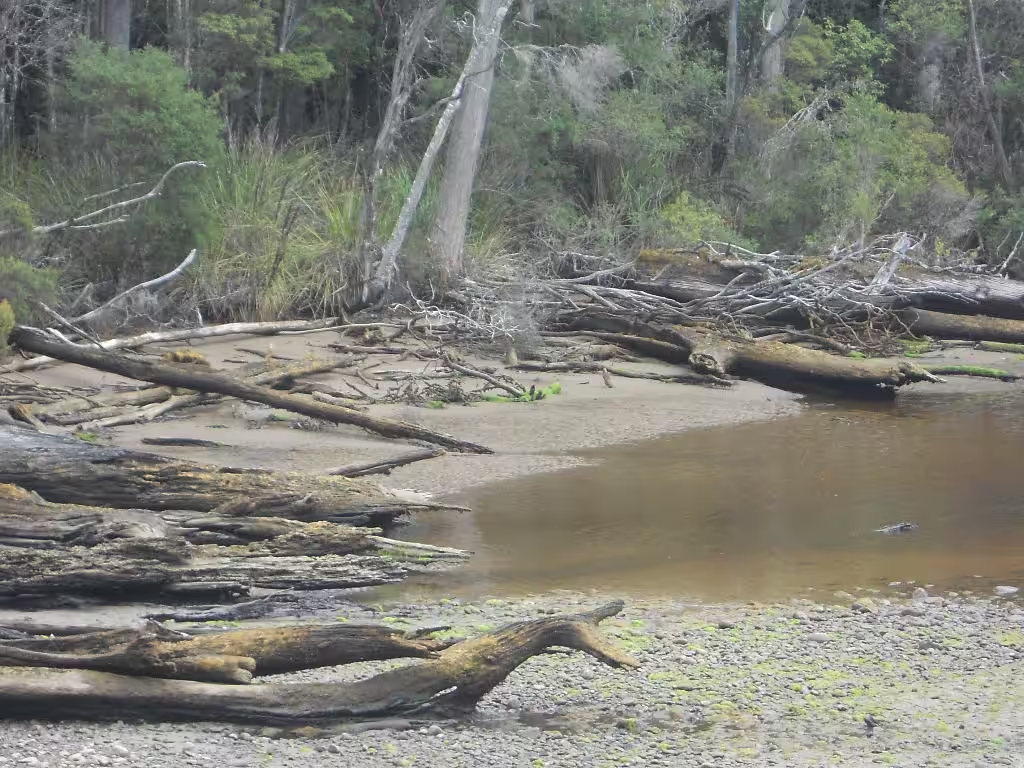
Why does driftwood always produce tannins?🪵 #fishtank #aquarium #fishkeepingtips #fishkeeper #fish:
As we've explored, tannins play a crucial role in the composition and characteristics of wood, influencing not only its durability but also its aesthetic appeal. Their natural properties help resist decay, making wood a sustainable choice for a variety of applications, from furniture to architectural components. It's fascinating to think about how these organic compounds have been utilized throughout history, allowing us to appreciate the beauty of wood in our everyday lives. The next time you admire a piece of wooden furniture or walk through a timber-framed building, you'll have a greater appreciation for the unseen elements that make it all possible.
The Takeaway on Tannins
In the grand tapestry of woodworking and design, tannins are more than just a technical detail; they’re a fundamental aspect of what makes wood so valuable and desirable. If you’re eager to keep up with more interesting insights about materials and design, don't forget to follow us on social media. You can check out our latest trends and updates on our Instagram page. Embracing the beauty and functionality of wood, thanks to the wonders of tannins, adds a special touch to our homes and workspaces, reminding us of the intricate connections between nature and craftsmanship.
