
This ranking compares top 10 museums with unforgettable architecture through concrete architecture, urban impact, design intent, and cultural significance so readers can see why each entry belongs in the top ten.
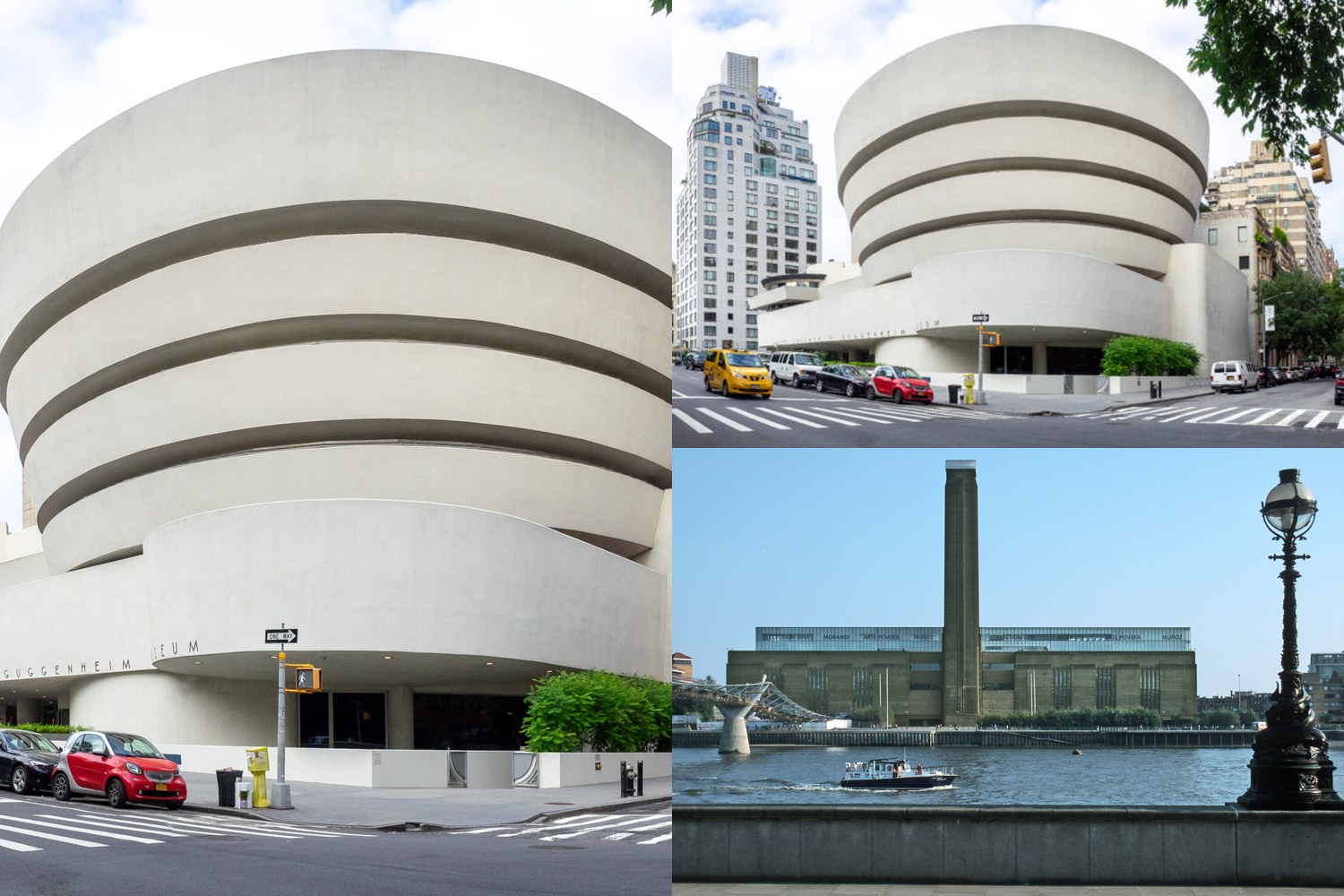
This ranked list presents the top 10 museums with unforgettable architecture, selected through a methodology emphasizing architectural innovation, cultural significance, structural uniqueness, and urban impact. Each museum is assessed by its groundbreaking design strategies, recognized architects, its role in transforming museum experience, and its influence on local architectural landscapes. This list excludes generic or replicated museum styles, focusing strictly on entities that push boundaries in form, materiality, and visitor spatial engagement.
How We Ranked These Landmarks
We ranked each entry by architectural influence, engineering innovation, skyline impact, cultural recognition, and how strongly the structure changed movement or public experience in its city. Historic importance matters, but the list favors places and structures that became part of a city’s identity rather than simply serving a practical function.
Quick Comparison
| Rank | Entry | Why it ranks |
|---|---|---|
| 1 | Guggenheim Museum Bilbao — Spain | The Guggenheim Museum Bilbao, completed in 1997 and designed by Frank Gehry, stands as an icon of contemporary architecture due to its daring titanium-clad forms and organic curves. |
| 2 | Louvre Pyramid — France | Pei, is a transparent glass and metal structure serving as the main entrance to the historic Louvre Museum. |
| 3 | Museo Soumaya — Mexico | Museo Soumaya in Mexico City, completed in 2011 and designed by Fernando Romero, is notable for its curvilinear form clad entirely in hexagonal aluminum tiles. |
| 4 | MAXXI National Museum — Italy | Rome’s MAXXI National Museum of 21st Century Arts, completed in 2010 by Zaha Hadid Architects, epitomizes futuristic architectural language with flowing concrete and glass forms. |
| 5 | The Broad — USA | The Broad Museum in Los Angeles, opened in 2015, was designed by Diller Scofidio + Renfro and features a unique 'veil-and-vault' concept. |
| 6 | Tate Modern Switch House — UK | The Tate Modern Switch House in London, completed in 2016 by Herzog & de Meuron, reimagines industrial heritage by transforming a former power station into a vertical museum expansion. |
| 7 | Kumu Art Museum — Estonia | Estonia’s Kumu Art Museum, opened in 2006 and designed by Pekka Vapaavuori, is a masterful integration of modernist architecture with natural landscapes in Tallinn. |
| 8 | Harbin Opera House Museum of Art — China | The Harbin Opera House Museum of Art in China, completed in 2015 by MAD Architects, exhibits futuristic fluidity with its sweeping white forms mimicking natural ice formations. |
| 9 | Zeitz MOCAA — South Africa | Zeitz Museum of Contemporary Art Africa (MOCAA) in Cape Town, opened in 2017 and designed by Heatherwick Studio, innovatively repurposes a historic grain silo into a monumental cultural space. |
| 10 | ArtScience Museum — Singapore | The ArtScience Museum in Singapore, completed in 2011 by Moshe Safdie, features a lotus-inspired design with ten finger-like projecting galleries. |
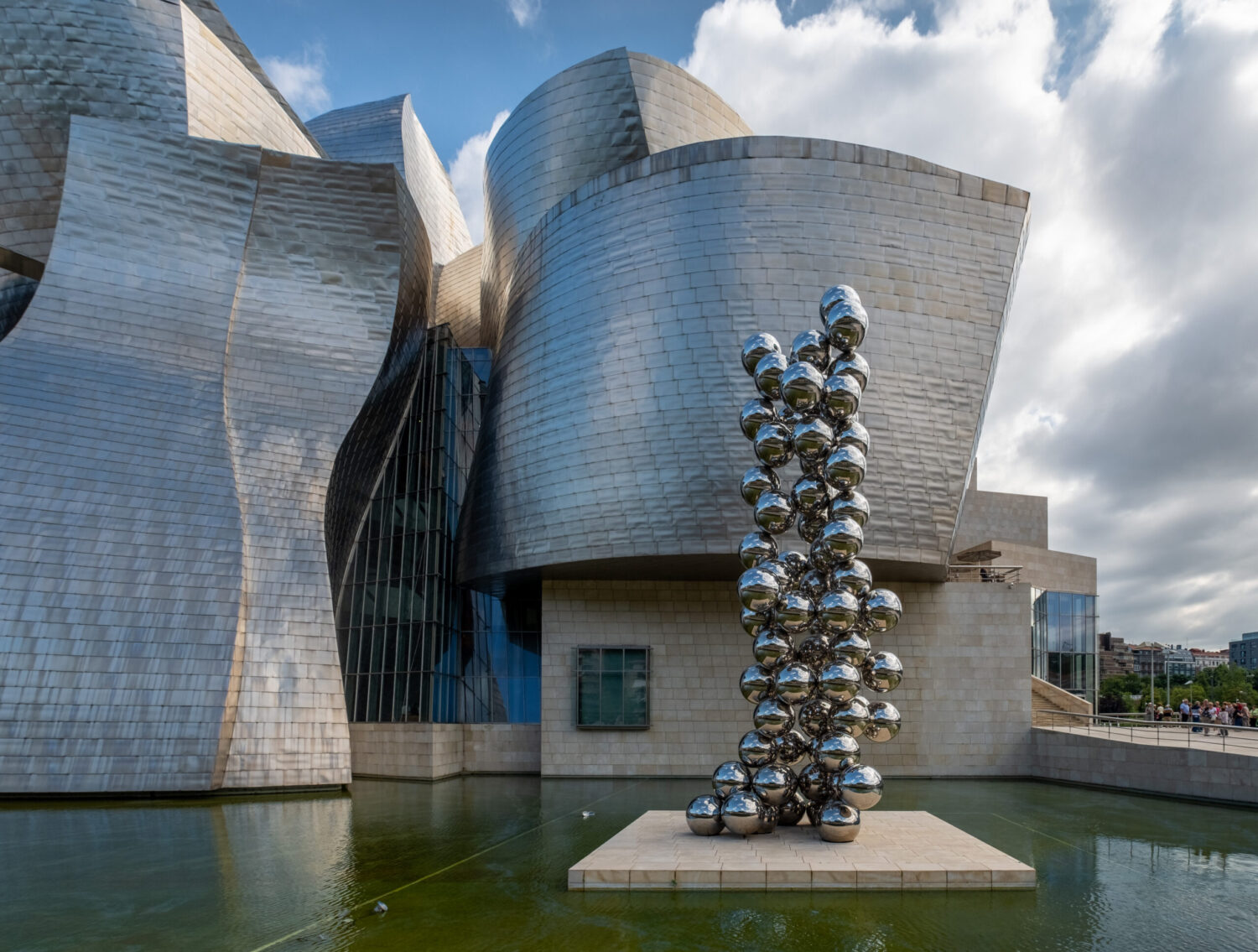
1. Guggenheim Museum Bilbao — Spain
The Guggenheim Museum Bilbao, completed in 1997 and designed by Frank Gehry, stands as an icon of contemporary architecture due to its daring titanium-clad forms and organic curves. Located in Bilbao, Spain, the museum revitalized the city and spurred the so-called 'Bilbao Effect' demonstrating architecture’s transformative urban power. Its sculptural volumes challenge conventional museum design, creating immersive spatial experiences. Gehry’s use of innovative digital design tools enabled complex geometries that harmonize with the Nervión River. Architecturally, it matters because it merges architecture with art in a landmark form that reshaped museum typology and urban regeneration strategies.
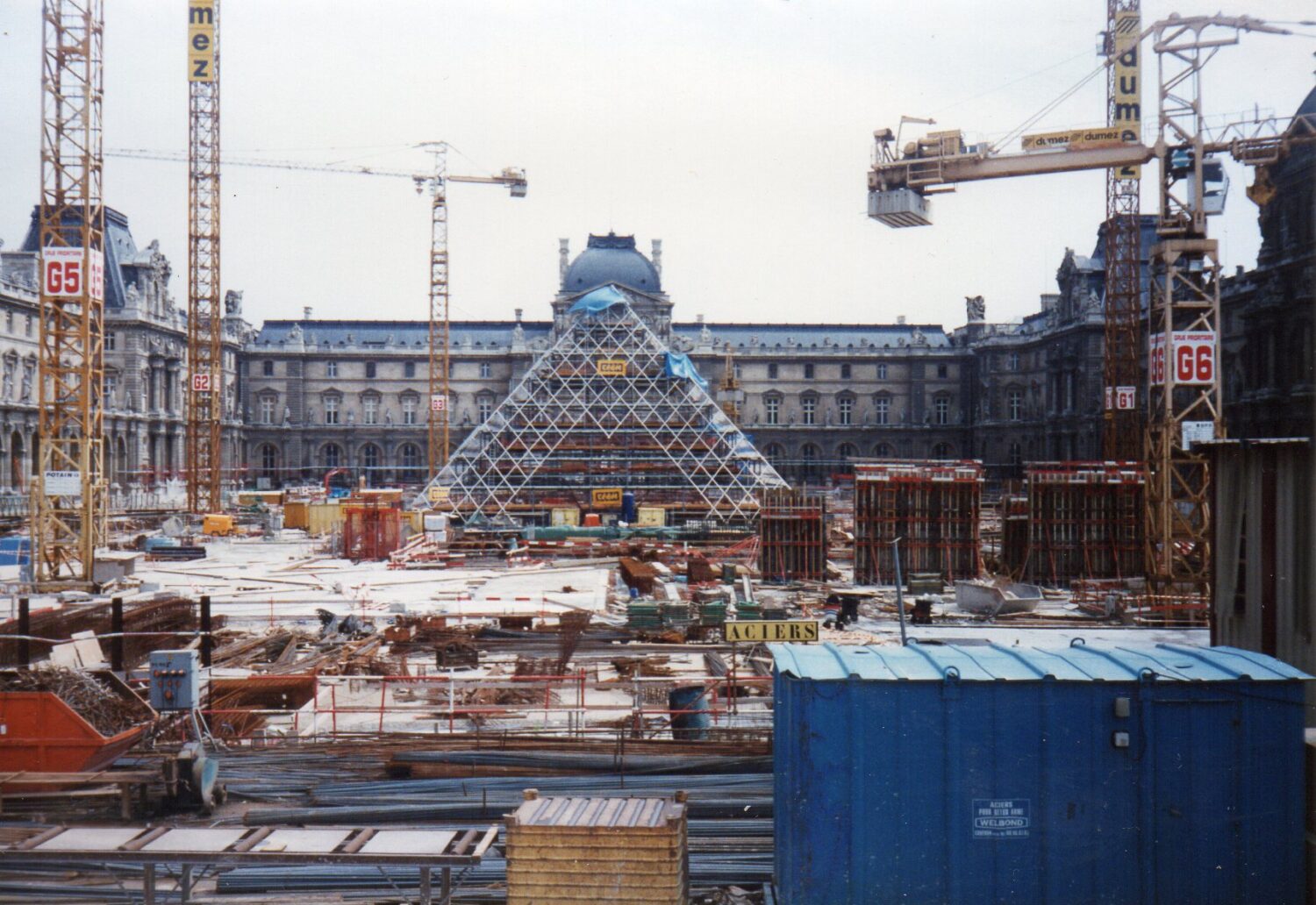
2. Louvre Pyramid — France
The Louvre Pyramid in Paris, completed in 1989 and designed by I.M. Pei, is a transparent glass and metal structure serving as the main entrance to the historic Louvre Museum. This bold juxtaposition of modernist geometry against classical palace architecture redefined adaptive reuse and integration of new and old. The pyramid’s precise steel-and-glass framework capitalizes on natural light, forming a geometric icon synonymous with Parisian architectural innovation. Architecturally, the pyramid revolutionizes museum arrival experience by creating a symbolic gateway that respects heritage while asserting a progressive identity.
3. Museo Soumaya — Mexico
Museo Soumaya in Mexico City, completed in 2011 and designed by Fernando Romero, is notable for its curvilinear form clad entirely in hexagonal aluminum tiles. This dynamic shape challenges orthogonal museum typologies and makes a bold cultural statement in Latin America. It houses a vast private art collection, with its asymmetrical silhouette creating fluidity and movement that stimulates architectural dialogues between structure and art. Romero’s design incorporates structural innovation to support cantilevered volumes and vast interior spaces, making it a standout example of contemporary museum architecture. The museum enhances cultural discourse through design innovation and sculptural presence.

4. MAXXI National Museum — Italy
Rome’s MAXXI National Museum of 21st Century Arts, completed in 2010 by Zaha Hadid Architects, epitomizes futuristic architectural language with flowing concrete and glass forms. Its fluidity and layered spatial organization foster creative encounter and visitor engagement with contemporary art. The building features cantilevered volumes, sharp angles, and a complex network of ramps and galleries, reflecting Hadid’s signature dynamic geometry. Architecturally, MAXXI advances museum typology by embracing deconstructivist aesthetics combined with functional innovation to create an inspiring cultural landmark.
5. The Broad — USA
The Broad Museum in Los Angeles, opened in 2015, was designed by Diller Scofidio + Renfro and features a unique 'veil-and-vault' concept. Its honeycomb-like exterior skin filters daylight, creating dynamic interior environments for art viewing while ensuring controlled conservation conditions. The innovative exoskeleton structure allows column-free spaces maximizing flexibility and visitor circulation. Located in a dense urban context, The Broad makes a cultural assertive statement with its sculptural form and public engagement strategies. Architecturally, it redefines museum enclosure, balancing transparency and protective functionality.
6. Tate Modern Switch House — UK
The Tate Modern Switch House in London, completed in 2016 by Herzog & de Meuron, reimagines industrial heritage by transforming a former power station into a vertical museum expansion. Its interlocking brick facade combines robust historic materiality with a contemporary twisted form, dynamically contrasting with the original building. The design enhances vertical circulation and gallery space while offering panoramic views of London. The Switch House’s architectural significance lies in its adaption of industrial architecture for new cultural purposes, creating a dialogue between past and present in urban museum development.
7. Kumu Art Museum — Estonia
Estonia’s Kumu Art Museum, opened in 2006 and designed by Pekka Vapaavuori, is a masterful integration of modernist architecture with natural landscapes in Tallinn. It features clean linear forms, glass facades, and a thoughtful interplay of interior and exterior spaces that frame surrounding park views. Kumu stands as a benchmark for contextual sensitivity, blending contemporary design with national heritage. Its modular exhibition spaces and daylight optimization support diverse contemporary art showings. Architecturally, it matters as a regional example of museum design that respects environment while advancing form and function.

8. Harbin Opera House Museum of Art — China
The Harbin Opera House Museum of Art in China, completed in 2015 by MAD Architects, exhibits futuristic fluidity with its sweeping white forms mimicking natural ice formations. The museum’s organic geometry, complex curved surfaces, and fluid spatial organization create immersive visitor experiences integrating architecture with performance arts. Its parametric design required advanced structural engineering to realize free-form surfaces and interior acoustic optimization. Architecturally, it sets a precedent in exhibition design by blurring boundaries between cultural identity, landscape, and architectural innovation amidst an extreme climate.
9. Zeitz MOCAA — South Africa
Zeitz Museum of Contemporary Art Africa (MOCAA) in Cape Town, opened in 2017 and designed by Heatherwick Studio, innovatively repurposes a historic grain silo into a monumental cultural space. Its radical interior transformation includes carving a central atrium from concrete tubes, creating dynamic vertical galleries. The combination of brutalist industrial fabric with contemporary intervention enriches urban regeneration and cultural tourism. Architecturally, Zeitz MOCAA exemplifies adaptive reuse that respects industrial heritage while fulfilling modern museological demands.
10. ArtScience Museum — Singapore
The ArtScience Museum in Singapore, completed in 2011 by Moshe Safdie, features a lotus-inspired design with ten finger-like projecting galleries. Its distinctive form not only symbolizes harmony between art and science but also serves practical micro-climatic functions through a rainwater harvesting system integrated into the building’s structure. Situated within Marina Bay Sands, this museum exemplifies biomimetic architecture coupled with sustainable design. Architecturally, it pushes the envelope in merging symbolic form with environmental efficiency in a museum context.
How were the museums ranked in this list?
The ranking was based on architectural innovation, cultural and urban impact, uniqueness of design, and the involvement of renowned architects and engineers. Each entry demonstrates landmark design that reshaped museum architecture.
Do these museums reflect contemporary or historical architectural styles?
While the list focuses mainly on contemporary architectural styles with innovative forms and materials, it also includes museums that successfully integrate historic architecture with modern design, such as the Louvre Pyramid and Tate Modern Switch House.
Can these museums be visited by the public for architectural tours?
Yes, all museums listed are open to the public and offer architectural interest as well as art exhibitions. Many feature guided tours that highlight their architectural significance and design features.
The top 10 museums listed exemplify unforgettable architecture through pioneering design, contextual responsiveness, and cultural symbolism. These buildings elevate museum experiences by pushing architectural boundaries through material innovation, spatial complexity, and urban integration. For architects and cultural planners, they serve as benchmarks for combining art display with experimental forms that resonate beyond traditional museum frameworks. Experiencing these museums provides insights into how architecture can transform cultural institutions into immersive landmarks of creativity and identity.
For more architecture, cities, public spaces, materials, and design ideas, browse Architecture Adrenaline’s latest guides.
Further Reading & Source References
