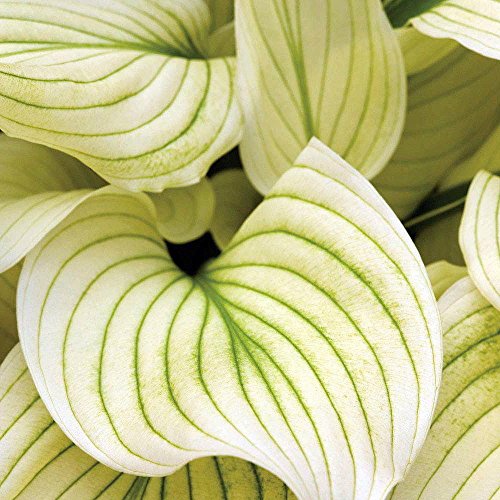
As a gardening enthusiast, I've had the pleasure of growing hostas in my garden, and transplanting them can be a rewarding experience. Whether you're looking to divide overgrown plants or relocate them, this guide will help you successfully transplant hostas.
Why Transplant Hostas?
Transplanting hostas has several benefits:
- Improves air circulation around plants.
- Enhances their growth and visual appeal by allowing more space.
- Helps control the spread of these perennial plants.
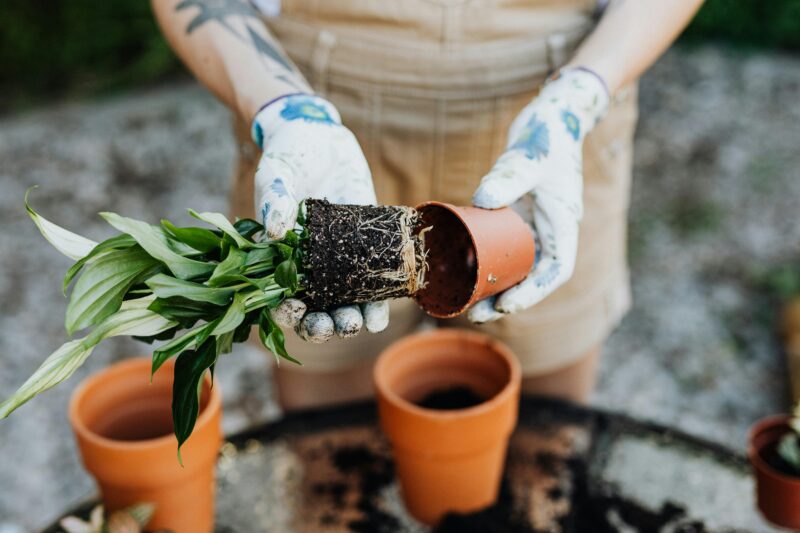
Best Time to Transplant Hostas
The ideal time to transplant hostas is during early spring or early fall. At these times, the plants are dormant or in their early growth stages, minimizing shock:
| Season | Ideal Conditions |
|---|---|
| Spring | Soil is warming up; hosts are just starting to emerge. |
| Fall | Soil is still warm, allowing for healthy root establishment. |
Preparing to Transplant Hostas
Preparation is key to successful transplanting. Here's how to prepare:
- Water the hostas a day before transplanting to ensure the soil is moist.
- Choose a new location with suitable sunlight and soil conditions.
- Dig around the hosta, maintaining as much of the root system as possible.
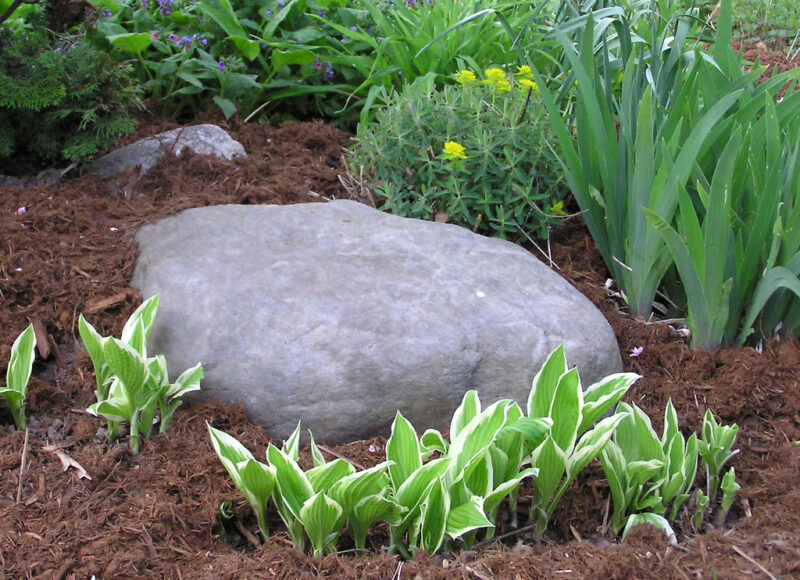
Caring for Transplanted Hostas
After transplanting, ensure your hostas adapt well:
- Water regularly but avoid overwatering.
- Mulch around the base to retain moisture.
- Monitor for pests and diseases as they adapt to their new environment.

If you're looking for more tips about hosta care, don’t forget to check out our articles on Preventing Rabbit Damage, Foundation Plants Guide, and Low-Growing Perennials. For more in-depth understanding about hostas, refer to Hostas - Nebraska Extension or the Vegetation Management Handbook for valuable planting techniques.