
| Issue | Symptoms | Recommended Action |
|---|---|---|
| Mineral Build-up | Valve sticking, failure to open | Regular testing and flushing |
| Pressure Increase | Water discharge from valve | Check for thermal expansion; consider installing an expansion tank |
| Corrosion & Age | Visible corrosion, frequent leaks | Replace valve promptly |
Understanding the Role of Your T&P Valve
Imagine the chaos if your water heater couldn’t keep the pressure in check. That’s exactly what the Temperature and Pressure (T&P) valve prevents. By automatically releasing excess pressure and temperature, it safeguards your home from potential water heater explosions. But how well do you know this essential component?
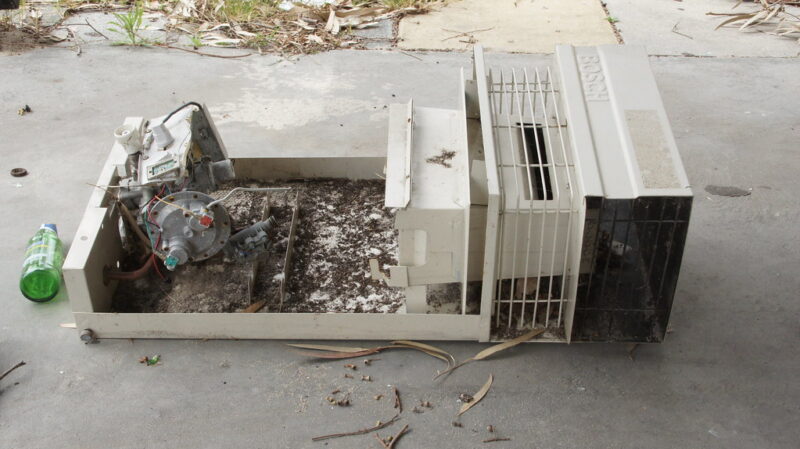
Regular maintenance of the T&P valve is vital for its functionality.
Common T&P Valve Issues and Solutions
Even the best T&P valves can encounter problems over time. Recognizing and addressing these issues promptly ensures your water heater remains safe and efficient.
- Leaking or Dripping Valve: This often indicates that the valve is releasing water due to high pressure or temperature. It might also be a sign of corrosion or mineral buildup.
- Sticking Valve: If the valve doesn’t open or close smoothly, it could be due to sediment accumulation inside the valve.
- Frequent Discharges: Regular releases of water from the valve might point to an underlying pressure issue, such as thermal expansion.

The plumbing for your T&P valve should be regularly checked and maintained for safety.
Proper Installation and Replacement
Installing your T&P valve correctly is crucial for its functionality. When replacing a valve, ensure you:
- Use Teflon tape on the threaded inlet to prevent leaks.
- Hand screw the valve onto the tank before tightening it with a wrench to avoid overtightening.
- Install a discharge tube if it’s not pre-installed, directing any released water safely away from your home.

Proper installation of your solar water heater's T&P valve is critical.
Maintenance Tips for Longevity
Regular maintenance can extend the life of your T&P valve and keep your water heater running smoothly. Here’s how:
- Test the Valve Regularly: Periodically lift the lever to ensure it releases water and then seals properly.
- Flush the Water Heater: This removes sediment buildup that can cause the valve to stick or malfunction.
- Monitor Water Heater Temperature: Keeping the temperature at a moderate level reduces stress on the valve.

Consider implementing industrial-grade solutions like pressure gauges to enhance your home’s safety when dealing with water heaters.
When to Call a Professional
While some maintenance tasks are DIY-friendly, certain situations require a licensed plumber’s expertise:
- Persistent leaks despite reseating the valve.
- Corrosion or visible damage to the valve components.
- Unexpected pressure spikes that aren’t resolved by simple adjustments.
Enhancing Safety with Additional Measures
Beyond the T&P valve, there are other steps you can take to ensure your water heater remains safe:
- Install a water heater pan to catch any minor discharges from the T&P valve.
- Consider adding an expansion tank to manage thermal expansion and prevent pressure buildup.
- Use a pressure regulator to maintain optimal water pressure levels.
Have you ever experienced issues with your water heater’s T&P valve? Share your stories or tips below, and let’s keep our homes safe together!
Water Heater Pressure Relief Valve - Prevent Water Heater Explosion - Replace a Relief Valve
The water heater T&P valve serves as a critical safety component, designed to relieve excess temperature and pressure within the water heater tank, thereby preventing potential explosions. To ensure your water heater is functioning safely, watch this informative video from the FIX IT Home Improvement Channel, which demonstrates how to check and replace the temperature and pressure relief valve effectively.
What causes a water heater relief valve to discharge water?
If you’ve ever seen water trickling from your water heater’s T&P (temperature and pressure) relief valve, it’s a built-in safety step. When internal temperatures or pressures exceed safe thresholds—typically around 210°F and 150 psi—the valve opens to release excess water. This helps bring the heat and pressure down to safer levels. As cooler water enters the tank afterward, it further balances the temperature and pressure inside, protecting your water heater from potential damage and keeping your hot water supply steady.
Ensuring your water heater’s T&P valve is functioning properly is essential for the safety and efficiency of your home’s hot water system. Regular maintenance and timely inspections can prevent unexpected issues and extend the lifespan of your water heater. Don't hesitate to consult a professional if you notice any signs of malfunction or wear.
Stay Connected with Us
For more handy tips and updates on home maintenance, feel free to follow us on Instagram. We love sharing useful information and engaging with our community to help you keep your home in top shape!
