
What Is Below Grade Construction?
Below Grade Construction is a specialized field within the construction industry that involves building structures below the surface level, such as basements, tunnels, and underground parking facilities. This type of construction requires unique techniques and materials to address challenges like water infiltration, soil stability, and ventilation. As urban areas grow denser, the demand for innovative below grade solutions is increasing, providing opportunities to maximize limited real estate space efficiently and sustainably.
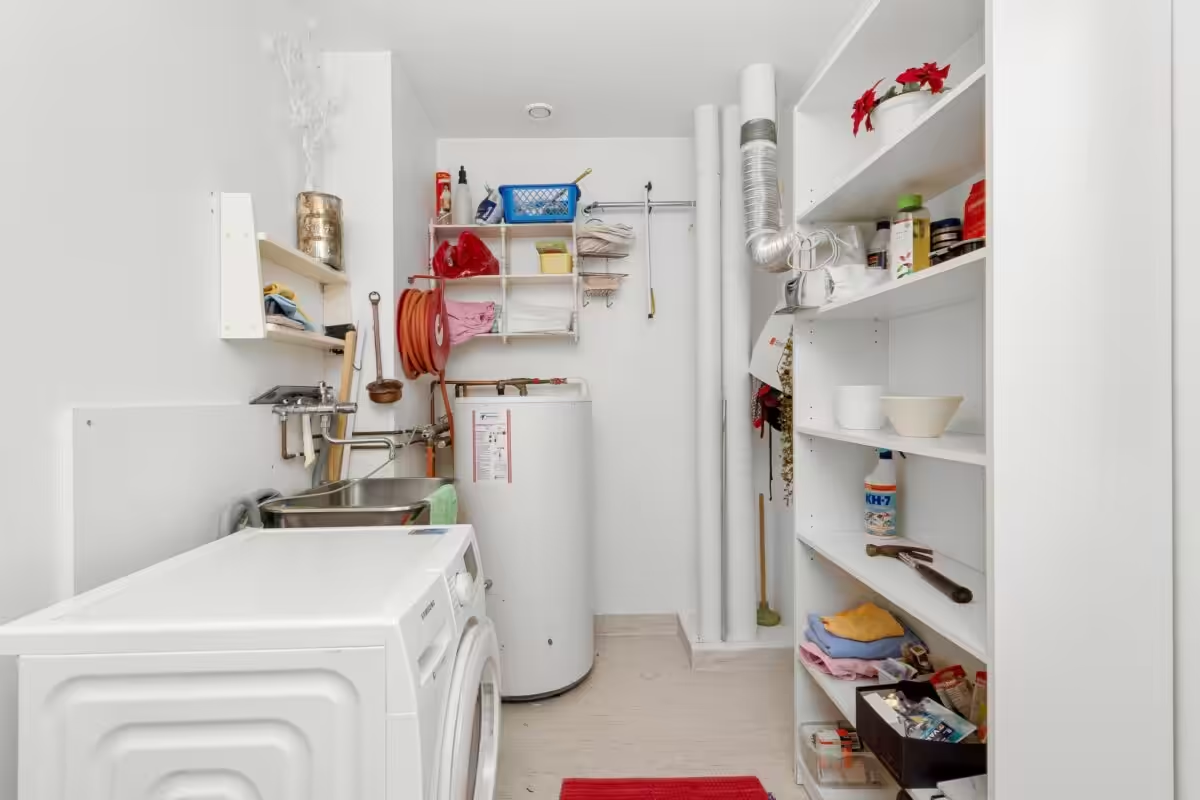
| Challenges | Solutions | Examples |
|---|---|---|
| Water Infiltration | Waterproof Membranes | Basements |
| Soil Stability | Reinforced Steel Supports | Underground Tunnels |
| Ventilation | HVAC Systems | Underground Parking Facilities |
Understanding the Intricacies of Below Grade Construction
Building below the earth's surface is no small feat. It demands a keen understanding of geology, hydrology, and architectural design, all while dealing with the hidden challenges that come with subterranean construction. Water infiltration is one of the most formidable of these challenges. Picture this: you're walking into a chic, underground wine cellar and hear the subtle drip of water from an improperly sealed wall. No one wants that. Waterproof membranes are the unsung heroes here, creating an impermeable barrier between the moist earth and your underground sanctuary.
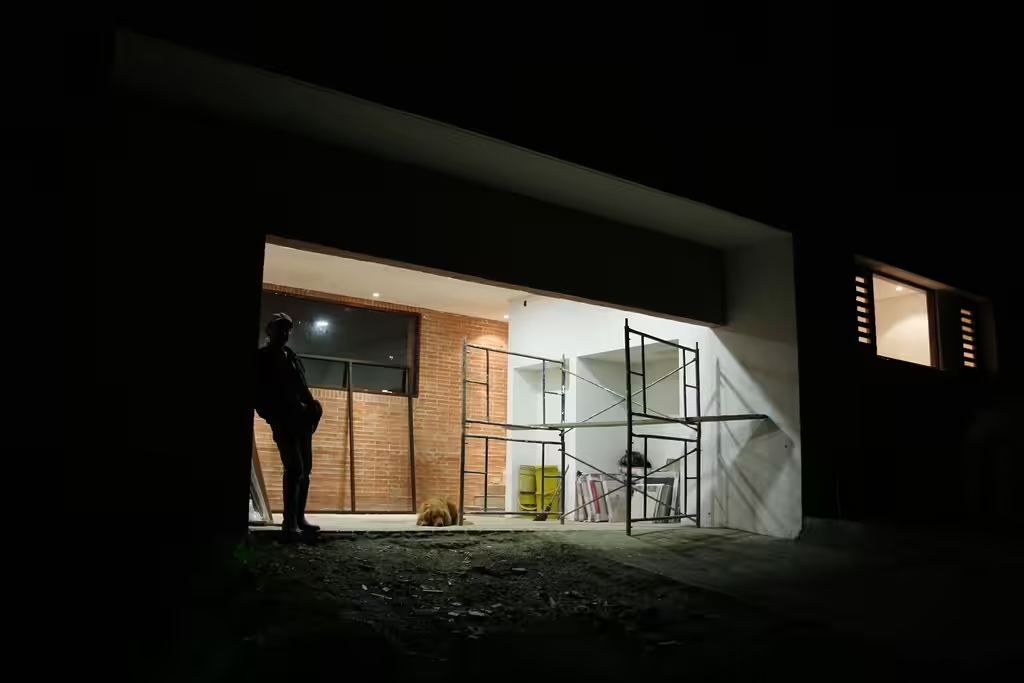
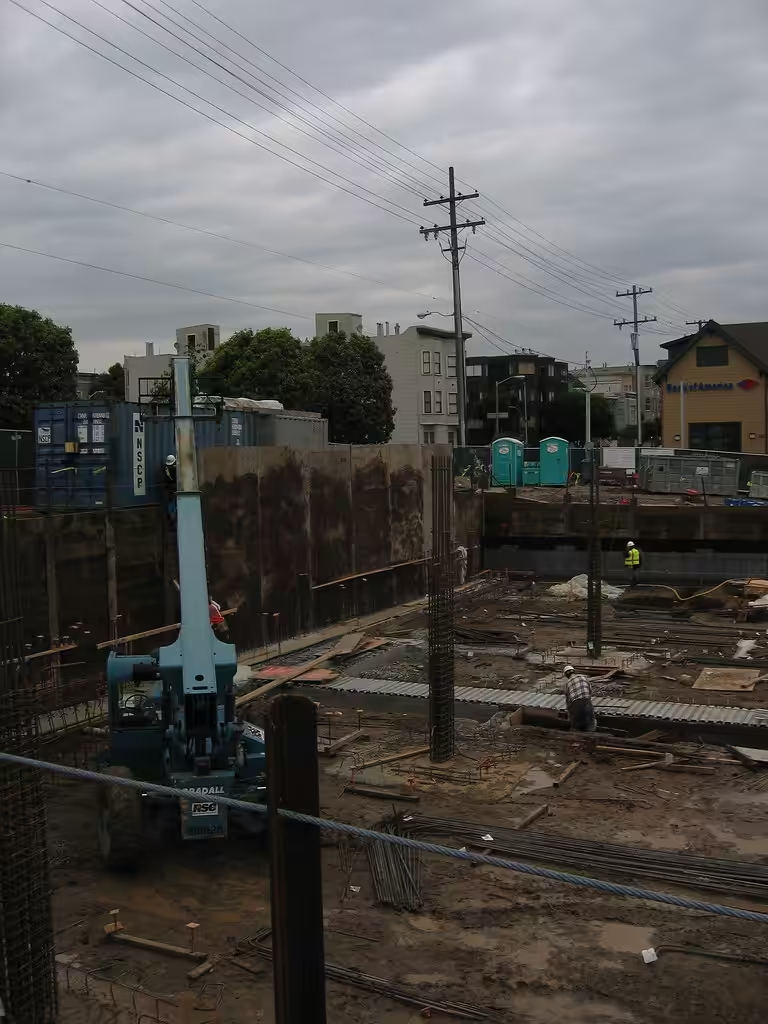
Soil stability is another crucial consideration. Constructing below grade can sometimes feel like a giant game of Jenga—remove, stack, reinforce, repeat. But unlike Jenga, this game relies on precision and strength rather than gravity pushing everything apart. Reinforced steel supports play an essential role in this context. These supports ensure that the structure stands firm against nature's unpredictable forces, such as shifting soil or unexpected seismic activity. Without them, both mundane and high-stake projects like subway systems or hidden nuclear facilities could potentially crumble under the weight of the earth.
Ventilation, the Breath of Life Below Ground
Imagine descending into an underground parking lot—one that seems to grow hotter and more stifling as you venture deeper. Proper ventilation is key to ensuring such spaces remain safe and comfortable. Advanced HVAC systems do more than just circulate air; they regulate temperature, manage humidity, and even filter air pollutants. This isn't just about making these spaces habitable; it's about using technology smartly to create underground environments that are just as welcoming as those above ground.
But ventilation also poses unique challenges. For instance, the deeper you go, the more challenging it becomes to maintain fresh air flow. Engineers often have to get creative with their designs to ensure that air is moving efficiently to every corner of the structure. These solutions might include everything from strategically placed vents to state-of-the-art sensor systems that adjust conditions in real-time based on occupancy and air quality data.
Innovative Approaches and Opportunities
As cities continue to expand and real estate becomes increasingly scarce, below grade construction presents unique opportunities for urban development. Consider these innovations shaping our subterranean future:
- Multi-level basements providing more than just storage space—think gyms, cinemas, or lush underground gardens.
- Tunnels not only for transport but also serving as conduits for utilities, reducing the surface clutter in dense urban areas.
- Green building techniques that utilize underground construction to improve energy efficiency, maintaining stable temperature levels naturally.
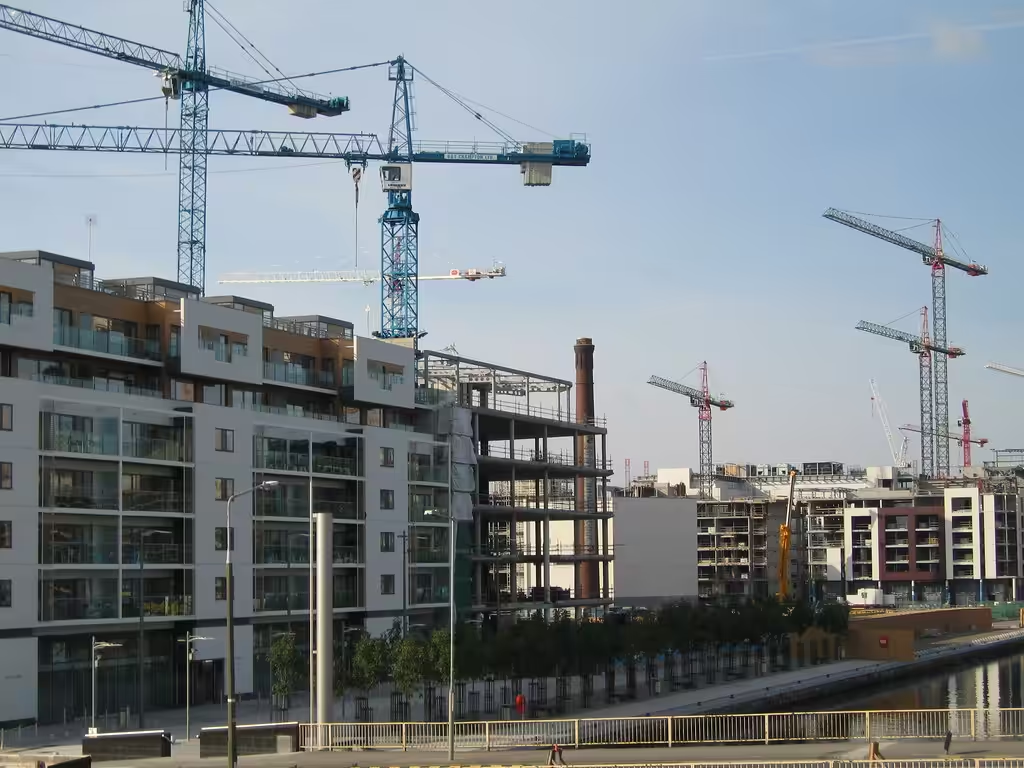
The need for more space combined with the pressure to use existing space more wisely has spurred architects and engineers to push the boundaries of what's possible underground. From enhancing urban landscapes to creating new living environments, the possibilities in below grade construction are as exciting as they are challenging.
Let's keep the conversation going. What are your thoughts on below grade construction? Share your insights or experiences in the comments below!
---
Additional Resource:
Explore more recent articles on architecture and construction.
Learn About Below Grade Construction with ICF Walls
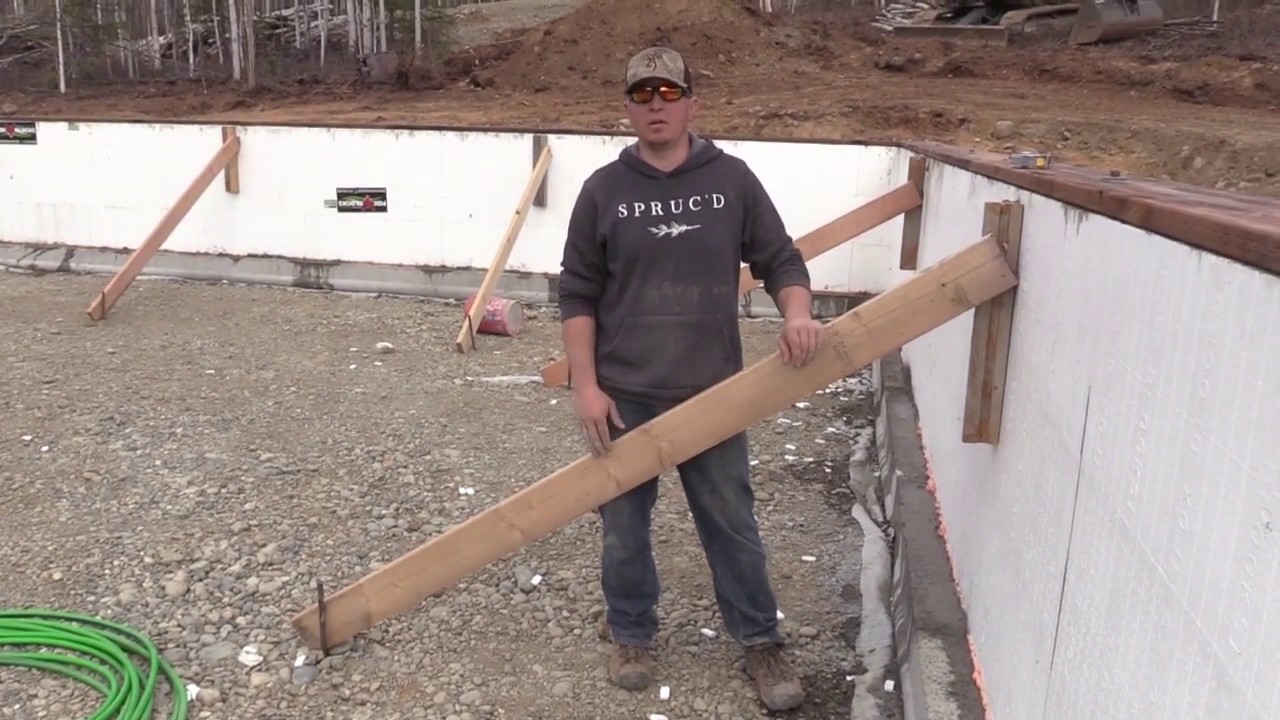
What Is Below Grade Construction is a specialized field within the construction industry that involves building structures below the surface level, such as basements, tunnels, and underground parking facilities. This type of construction requires unique techniques and materials to address challenges like water infiltration, soil stability, and ventilation. As urban areas grow denser, the demand for innovative below grade solutions is increasing, providing opportunities to maximize limited real estate space efficiently and sustainably. To further explore the practical aspects of below grade construction, check out Ana White's video on how to build ICF walls specifically designed for crawl spaces or foundations.
What Is “Below-Grade Construction,” and Why Is It Important?
Below-grade construction refers to any part of a building that is set below the surface of the ground—think basements, foundations, or underground parking levels. It’s crucial because the structural integrity of these areas must withstand moisture, soil pressure, and potential water intrusion. When done right, below-grade construction ensures your building’s longevity, protects against leaks, and helps maintain comfortable indoor conditions.
What Are the Seven Main Construction Types?
While definitions can vary slightly, the seven broad categories often include:
1. Residential (homes, apartments)
2. Commercial (offices, retail spaces)
3. Industrial (factories, warehouses)
4. Institutional (schools, hospitals)
5. Infrastructure (roads, bridges, utilities)
6. Heavy Civil (dams, large-scale earthwork)
7. Specialty Trades (projects with unique requirements, like historic restorations)
Each category involves its own set of best practices and regulations, with below-grade construction especially critical in areas like basements, foundations, and subterranean facilities.
Which Parts of a Building Are Classified as Below Grade?
Any portion of a structure that sits at or beneath ground level is considered below grade. This includes basements, crawl spaces, and underground utility or storage areas. These sections require extra attention to waterproofing, drainage, and soil analysis to prevent flooding or structural damage over time.
How Do Experts Define Below-Grade Levels in Construction?
Experts typically define below-grade levels based on their position relative to surrounding soil. If a space is partially or fully submerged below ground level, it’s considered below grade. This designation helps clarify building code requirements, structural needs, and moisture management solutions, ensuring the space remains stable, dry, and safe.
Below Grade Construction adds a whole new dimension to the world of construction, literally digging deep to create functional, innovative spaces. The intricacies and challenges of working below the ground level make it an exciting and rewarding aspect of architecture and engineering. Whether you're fascinated by the idea of hidden spaces or are considering a project that involves subterranean construction, exploring What Is Below Grade Construction opens up a world of possibilities.
Stay Connected with Architecture Adrenaline
If you're eager to delve deeper into the world of construction, architecture, and design, don't miss out on the latest updates and inspirations from Architecture Adrenaline. Follow us on Instagram for captivating visuals, behind-the-scenes stories, and fresh ideas that will keep your creative juices flowing. Join our community and stay connected to the pulse of cutting-edge architectural innovation.
