
BX cable, also known as metallic sheathed cable, type AC, MC, Greenfield, or armored cable, consists of plastic-coated insulated wires (typically 14- or 12-gauge) protected by a metal sheath. This metal sheath features a ribbed appearance, made by wrapping a metallic strand in a helix around the wires. This construction makes BX cable distinct from non-metallic (NM) cable, which has a smooth vinyl covering. For a more detailed understanding of these cable types, check out this article on the difference between 14-2 and 14-3 wire types.
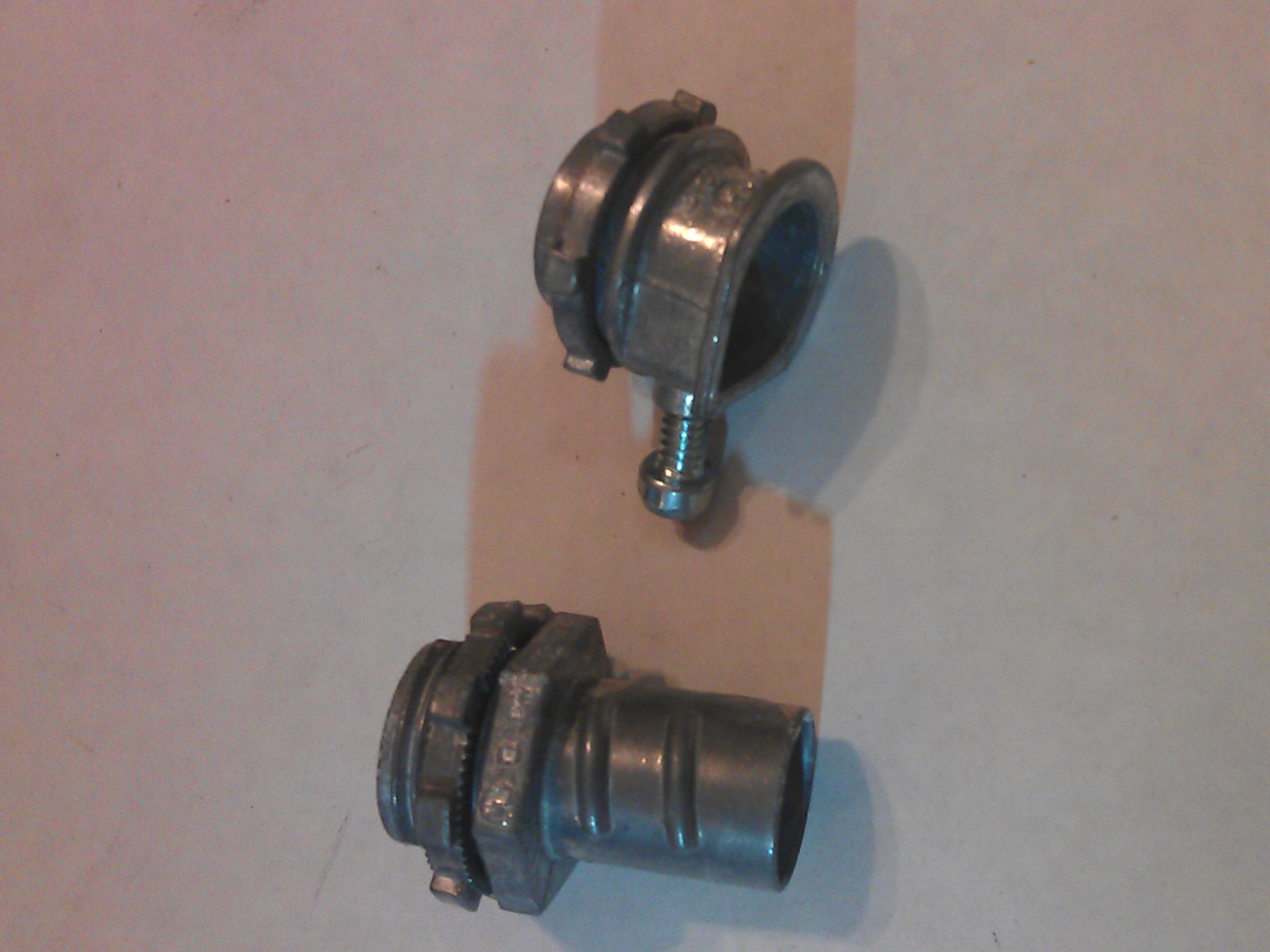
Advantages and Applications
BX cable offers several significant advantages, particularly in terms of durability and protection. Below are some of its key benefits and common applications:
- Durability: The metal armor provides substantial protection against physical damage.
- Grounding: BX cable can provide grounding through its metal sheath when properly installed in metal boxes.
- Installation Locations: Suitable for use in exposed locations (both indoors and outdoors) and ideal for spaces like basements, garages, and utility rooms.
Read a discussion on exposed BX cable and its safe installation practices among professional inspectors.
Comparing BX Cable with NM and MC Cables
| Aspect | BX Cable | NM Cable | MC Cable |
|---|---|---|---|
| Durability | High | Lower | High |
| Grounding | Through metal sheath | Uses separate bare copper wire | Has a dedicated ground wire |
| Installation Locations | Exposed and enclosed; avoid wet conditions | Enclosed areas only | Usable in outdoor and wet conditions |
| Flexibility | Moderate | High | Moderate |
| Conductor Capacity | Up to 4 conductors | Varies | No limitation on conductors |
| Cost | Higher | Lower | Higher |
To see specific examples of various cable types, visit the cable inventory.
WHAT IS: BX CABLE?
Durability and Lifespan
BX cable's metal armor offers excellent protection against physical threats like nails or screws, making it more durable than NM cables. While old BX wiring can support modern power demands if in good condition, the inner insulation might degrade at exposed ends over time. Routine inspections can help assess the condition and ensure safety.
Safety and Installation Tips
Installing BX cables properly is crucial to maintain their safety benefits. Here are some tips for cutting and grounding BX cables:
- Cutting BX Cable: Use a specialized BX cable cutter, measure and mark the cable, cut the armored sleeve carefully, and strip the insulation to expose the wires.
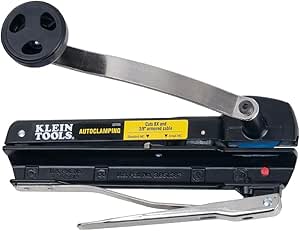
View more product specifications on Amazon. - Grounding BX Cable: Ensure the metal sheath is securely connected to metal junction boxes, use a grounding clamp, and connect a grounding wire to both the clamp and the electrical panel's grounding bus bar.
For more specifics on electrical standards, see the Chicago Building Code on electrical work.
It's important to verify local building and electrical codes regarding the acceptability of leaving BX cable exposed and to follow preventive measures to secure all electrical connections. This ensures that the BX cable remains functional, safe, and effective in its applications. If you're unsure about wire distinctions, consider reading our post about what constitutes a hot wire.
