
What's a plantation house? Discover their stunning architecture, rich histories, and the stories behind these iconic landmarks. Learn more!
What’s a plantation house? It’s the grand, stately residence that sat at the heart of a Southern plantation, a symbol of wealth and power that also carries a difficult and painful history. Today, many antebellum plantation houses are preserved as museums or heritage sites, offering tours, architecture, and stories from the 18th and 19th centuries. This article explores what a plantation house is, what makes them distinctive, and highlights notable estates you can visit to experience their architectural grandeur and complex past.

Plantation house basics: a symbol of wealth, power, and history
In the American South, the plantation house typically functioned as the main residence and the administrative hub of a large farming operation. These homes were designed to display the planter’s wealth and status, while also providing spaces for entertaining, planning, and supervising labor. The architecture often speaks to the era’s aspirations—symmetry, grandeur, and formal spaces—yet every site sits within a broader social context built on plantation economies and enslaved labor.
What makes a plantation house distinctive?
At its core, a plantation house is the centerpiece of a large agricultural estate. Architectural styles commonly associated with these homes include Greek Revival, Palladian, and French Colonial influences, among others. These choices often conveyed authority over land and a sophisticated, cosmopolitan lifestyle. While the exterior and interiors celebrated refinement and dominance, modern interpretation emphasizes understanding the full history—recognizing that these houses were also the centers of systems built on slavery and coercive labor.
Key architectural threads you’ll notice
- Symmetrical facades and formal entrances
- Grand columns, expansive porches, and elevated living spaces
- Interior plasterwork, sweeping staircases, and rooms designed for entertaining
- Landscaped grounds, gardens, and water features
- Outbuildings and, at some sites, surviving slave quarters that offer context for the estate’s operations
Notable plantation houses readers often explore
Several grand antebellum homes in the Southern United States are open to the public and offer guided tours that illuminate architecture, landscape design, and the human history tied to these estates. Here are widely referenced examples that illustrate the variety within the question “what’s a plantation house?”
- Oak Alley Plantation (Louisiana, near New Orleans) — Renowned for its Greek Revival Big House and a majestic 28-column Doric avenue that frames the riverfront setting.
- San Francisco Plantation (Louisiana, about 40 miles from New Orleans) — Noted for its vibrant color palette and a distinctive Steamboat Gothic style, a striking departure from more muted antebellum aesthetics.
- Houmas House (Louisiana) — Built in 1828, with sweeping galleries, a belvedere, and rare garçonnières that have been repurposed within the grounds and accommodations.
- Drayton Hall (South Carolina) — A premier Palladian-style house with refined porticoes and interior plasterwork, representing a pivotal chapter in early American architecture.
- Magnolia Plantation (South Carolina) — Dating back to 1676, famous for expansive gardens, an indoor tropical oasis, and Cypress Lake framed by ancient bald cypress trees.
- Rosedale Plantation (North Carolina) — An example of Federal-era plantation architecture with restoration and public-facing history programs.
- Historic Hope Plantation (North Carolina) — A Palladian/Federal-influenced house that has been preserved and interpreted to reveal agrarian life from the 18th to 19th centuries.
- Poplar Grove (North Carolina) — A well-known plantation-era house with a long history and ongoing preservation and interpretation within the region’s plantation landscape.
- Historic Magnolia and Cane River sites (Louisiana and nearby regions) — Gardens, landscapes, and related plantation contexts frequently highlighted in preservation discussions, with modern interpretive work addressing enslaved histories and daily life on estates.
- John Dickinson Plantation (Delaware) — An important historic example that illustrates how plantation houses can serve as heritage sites, preserving the complex narratives of their pasts.
- Varner-Hogg Plantation State Historic Site — A well-preserved specimen of a Texas plantation-era residence, showcasing its history and significance.
How to visit and what you’ll learn
Many plantation houses that welcome visitors offer guided tours that illuminate architecture, landscape design, and life on a plantation. Tours commonly cover the mansion interiors, the social dynamics of the era, and the daily operations that sustained these grand homes. For example, Houmas House Estate couples mansion tours with strolls through restored gardens, a museum focused on the Great River Road, and on-site dining experiences that showcase regional Creole cuisine. When you consider “what’s a plantation house” in practice, you’ll encounter a blend of architectural symbolism, planter authority, and the experiences of enslaved people who built and sustained these estates behind the scenes.
Modern interpretation increasingly foregrounds enslaved labor and daily life alongside the stories of the owners. Sites like Magnolia Plantation and Drayton Hall place emphasis on providing a more complete historical narrative, often through dedicated slave quarters exhibits, staff-guided talks, and archival materials. If you’re exploring plantation houses today, you’ll likely encounter guided mansion tours, garden-focused excursions, and programs designed to foster a fuller understanding of how these estates operated—and how they’re remembered today.
Common features you’ll notice
- Symmetrical facades with formal entrances
- Grand columns, expansive porches, and elevated living spaces
- Interior plasterwork, grand staircases, and formal entertaining rooms
- Landscaped grounds, gardens, and water features
- Connected outbuildings and, at preserved sites, surviving slave quarters
Historical context and careful interpretation
Appreciating the architectural beauty of plantation houses goes hand in hand with understanding the broader history that funded and sustained these estates. Many sites strive to present multiple perspectives, including the experiences of enslaved people who labored there and the evolving legacies these houses carry in modern times. This balanced approach helps visitors grasp the complexity of plantation life in the antebellum South and beyond.
What to consider when exploring plantation houses today
- Location and accessibility — Many iconic houses sit along rivers or in scenic districts, offering guided tours and dining options.
- Architectural style — Greek Revival, Palladian, French Colonial, and mixed influences signal different eras and regional expressions.
- Preservation and interpretation — Seek sites that preserve the mansion while offering inclusive storytelling about all who lived and worked there.
- Gardens and grounds — Expansive landscapes and water features often accompany the main house and enrich the visitor experience.
Frequently asked questions
- What is a plantation house and why is it significant?
- How can I learn more about the enslaved people who lived and worked on these estates?
- Are plantation houses still used as residences or are they museums?
Engage with the idea of what’s a plantation house by exploring the architecture, the grounds, and the evolving narratives that accompany these estates. Each site presents a unique chapter in American history, offering a tangible link to the past through its halls, verandas, and gardens. If you’ve visited any of these grand homes, share your experiences or questions about what you learned in the comments below.
A quick reference of notable plantation houses
Below is a compact table summarizing key estates, their location, and one defining feature to help you plan visits or compare architectural flavors across sites.
| Plantation House | Location | Notable Feature |
|---|---|---|
| Oak Alley Plantation | Louisiana (near New Orleans) | Greek Revival Big House with a 28-column allée |
| San Francisco Plantation | Louisiana (about 40 miles from New Orleans) | Vibrant color palette and Steamboat Gothic styling |
| Houmas House | Louisiana | Built 1828 with sweeping galleries and rare garçonnières |
| Drayton Hall | South Carolina (near Charleston) | Palladian architecture with refined porticoes |
| Magnolia Plantation | South Carolina | Expansive gardens, indoors tropical oasis, Cypress Lake |
| Historic Hope Plantation | North Carolina (Windsor) | Palladian/Federal-influenced house with agrarian life interpretation |
| Historic Rosedale | North Carolina (near Charlotte) | Federal-era architecture with restoration programs |
| Poplar Grove | North Carolina | Long plantation history and ongoing preservation |
If you’d like, I can pull in more current tour options, durations, and ticketing details for these sites, or create a side-by-side architectural comparison matrix that contrasts Big House style, construction date ranges, and principal alterations across Oak Alley, San Francisco Plantation, Houmas House, Drayton Hall, Magnolia Plantation, and their North Carolina counterparts.
As you explore these grand homes, consider not only the architecture and landscaping but also the broader historical narratives they embody. These estates tell stories of wealth and aesthetics, but they also foreground the labor, lives, and experiences of enslaved people who built and sustained them. Have you visited any plantation houses or museums that touched on these parallel histories? Share your reflections or questions in the comments—your perspectives help keep the conversation thoughtful and inclusive.
1.
Best Overall
The Plantation

The Plantation is an item aligned with historical architectural interests, offering a tangible reference for readers curious about plantation-era design and heritage homes. It draws attention to classic layouts, exterior details, and period aesthetics that echo plantation house charm. This option suits readers looking to explore the architectural character of plantation-style homes and related historical contexts.
Best for: Best Overall
- ASIN: B0FSZQ7CFS
Why pick this: It represents the primary example from the search results, offering direct relevance to plantation-house aesthetics and historical architecture.
Skip if: You need a physical home-improvement product or a modern house design guide rather than historical references.
2.
Best Budget
Grand Plantations [DVD]
![Grand Plantations [DVD]](https://m.media-amazon.com/images/I/51VGBGDJYML.jpg)
Grand Plantations [DVD] presents a compact, media-based exploration of plantation-era architecture and historical context. This budget-friendly option is ideal for readers who prefer visual documentary content or supplementary viewing to accompany a written exploration of plantation-style homes.
Best for: Best Budget
- ASIN: B000JBXHP0
Why pick this: A cost-effective way to access plantation-era architectural content in a visual format.
Skip if: You strictly want a traditional hardcover or a book-focused reference rather than a DVD.
3.
Best Premium
Plantation Houses and Mansions of the Old South (Dover Architecture)
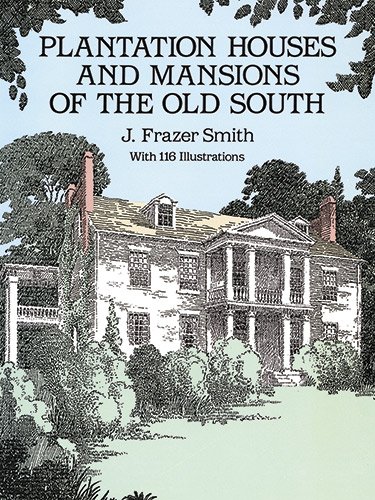
Plantation Houses and Mansions of the Old South (Dover Architecture) is a scholarly yet accessible reference that synthesizes architectural details, floor plans, and design elements typical of plantation-era estates. This premium option is ideal for readers seeking a credible, in-depth architectural resource aligned with historical home aesthetics and preservation narratives.
Best for: Best Premium
- ASIN: B00A7INFSY
Why pick this: This option provides a comprehensive, research-oriented look at plantation architecture, appealing to serious readers and history enthusiasts.
Skip if: You need a quick-reference guide or a budget-friendly media option rather than a premium architectural volume.
As we wrap up our journey through the intriguing world of plantation houses, it's hard not to feel a sense of awe for these architectural landmarks. They not only reflect the opulence of a bygone era but also tell stories of the people who lived and worked within their walls. The intricate designs, expansive grounds, and rich histories tied to these homes weave a narrative that's as beautiful as it is complex. Each plantation house is a snapshot of its time, providing insight into the social and economic structures that shaped our history.
Stay Connected and Explore More
If you’ve enjoyed learning about plantation houses, you’re in for a treat! There’s so much more to explore in the world of architecture and its history. I invite you to follow along on our adventures and discover more fascinating content. You can catch daily inspirations and updates on our Instagram page at Architecture Adrenaline. Let’s continue to uncover these stories together!