
Anaheim peppers are ready to pick when they reach their expected length, display the color stage you want, and feel firm and glossy; those three cues determine whether the fruit will be mild and green or sweeter and hotter when fully red.
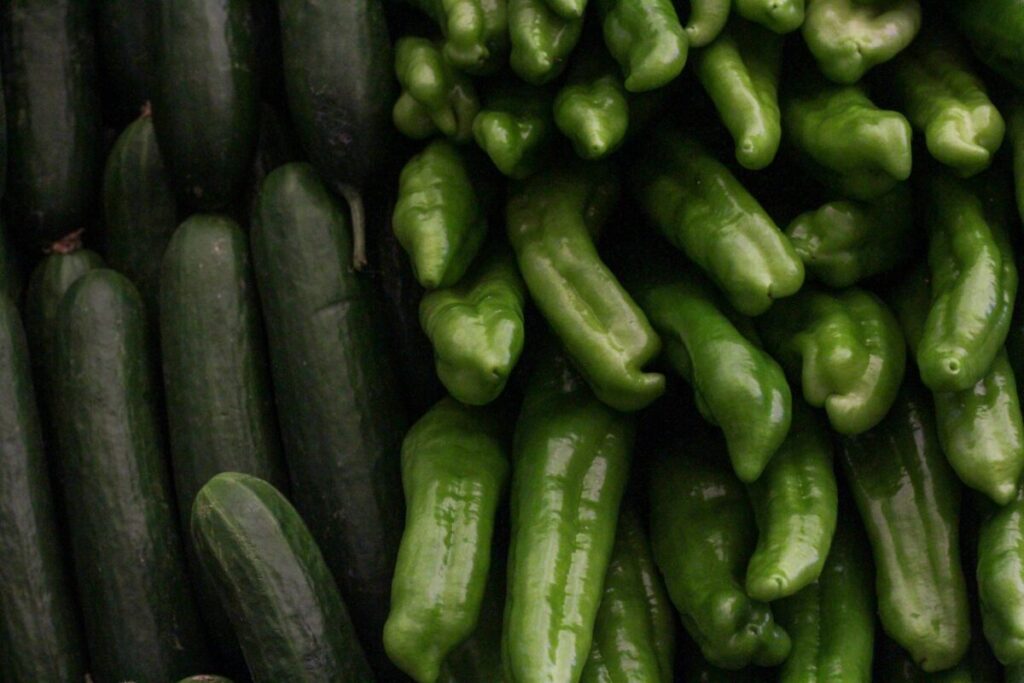
Anaheim Pepper Growth Overview
Anaheim peppers are a Capsicum annuum variety that commonly reach 24 to 30 inches tall and set elongated pods about 6 to 10 inches long. Transplant after night temperatures consistently exceed about 55°F and provide full sun, steady moisture, and a low-nitrogen fertilizer with modest phosphorus and potassium to encourage fruiting rather than excess foliage.
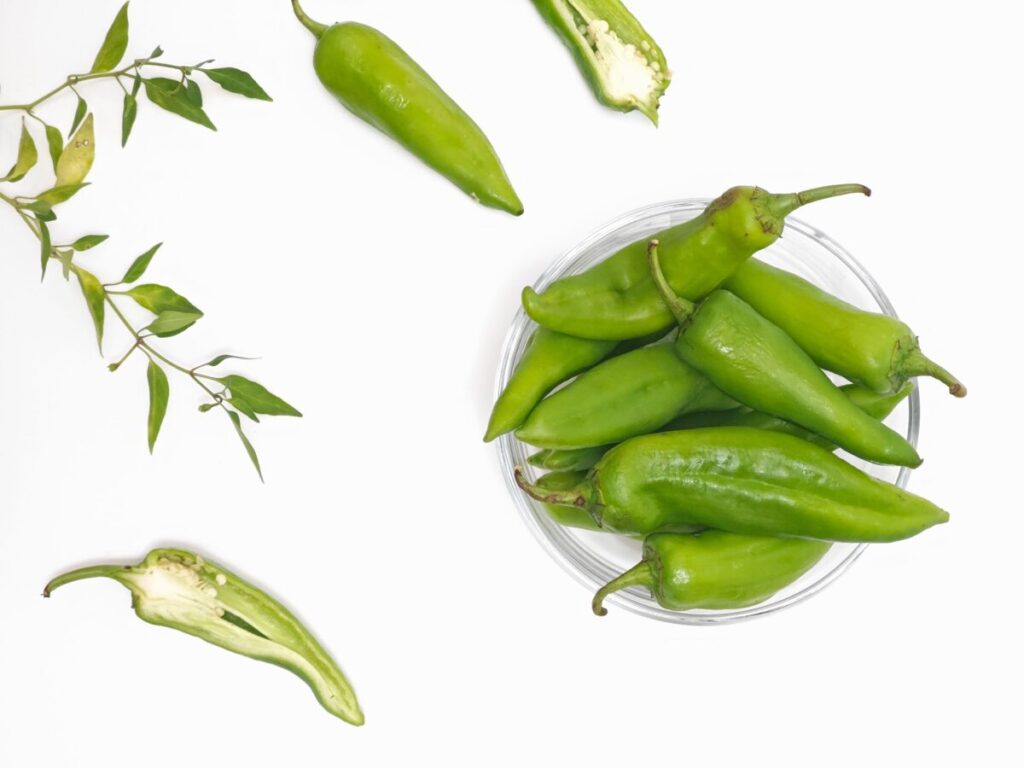
Three Simple Ripeness Cues
Before you cut or snip, apply these checks in order.
- Size. Use 6 to 10 inches as the maturity baseline; many seed packets target 6-7 inches for reliable internal development.
- Color. Pick green for a milder flavor and continued production, or wait for uniform red when you want sweeter, more developed heat for drying and red sauces.
- Texture. The skin should be taut, glossy and firm to the touch; a pepper that feels light for its size often has underdeveloped flesh.
Days to Harvest and Regional Variation
Plan on roughly 65 to 85 days from seed to first harvest, with about 75 days a common milestone for initial green pods under warm conditions. Local factors such as soil temperature, night lows, and cultivar selection shift that window, so use calendar days only as a planning tool and confirm maturity with the visual and tactile checks above. For extension-style guidance on harvest cues, color stages, and days-to-maturity benchmarks, see the UC ANR Pepper Guide: UC ANR Pepper Guide: Peppers in Your Garden.
Harvest Technique to Protect Plants
Cutting preserves the plant and reduces stem tearing.
- Use clean pruning shears or scissors and leave a 1/4- to 1/2-inch stem attached to the pepper to reduce calyx damage; blunt or dirty tools increase disease risk.
- Harvest in midmorning after dew dries to limit fungal transmission and to let plant tissues recover during the warm part of the day.
- Rotate handling around the plant so you do not over-stress a single branch and to encourage more fruit set.
Practical product options for this task include pepper harvesting shears and related garden tools on Amazon, which are useful when you want to snip fruit cleanly without crushing the peduncle.
How Ripeness Changes Culinary Use
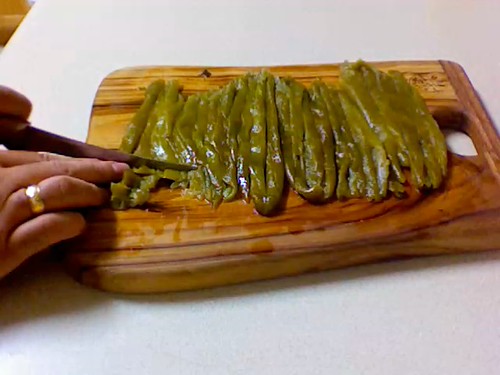
Green Anaheims have a mild vegetal profile that is ideal for roasting, chiles rellenos and green chile sauce because their thinner walls blister and peel readily. Fully red pods are sweeter and generally taste hotter; they are better for drying, making chili powders or producing red sauces where a deeper flavor is desirable. Roasting and peeling techniques are the same for green or red pods, but drying performance improves when pods reach uniform red and firm skin.
Postharvest Handling and Preservation Options
Store freshly picked Anaheim peppers unwashed in a loosely closed plastic bag in the refrigerator for several days. For long-term storage, roast then freeze, or dry fully red pods using a dehydrator, a low-heat oven, or air-drying in a warm, well-ventilated location. When preparing peppers for powder or ristras, ensure pods are fully red and the skin has lost excess moisture to avoid mold during storage.
Problems That Slow Ripening
Address these common constraints early.
- Cool nights or cold soil slow color change; warming the root zone with black plastic or moving containers to a sunnier microclimate speeds maturation.
- Irregular watering causes blossom end rot and uneven set; use mulch or drip irrigation to maintain consistent soil moisture.
- Pests and pathogens such as aphids or fungal diseases reduce marketable fruit; inspect plants weekly and apply targeted controls at first sign of infestation.
Variety and Planting Choices That Affect Timing
Different Anaheim cultivars and seed sources mature at slightly different rates and sizes. Start seeds indoors about eight weeks before your last frost, transplant when nights exceed 55°F, and space plants 18 to 24 inches apart for adequate air circulation. If you want staggered harvests, plant one row for green-harvest production and a separate row for pods intended to ripen to red.
For related cultivation techniques that affect harvest timing, see container-specific guidance in Peppers In Containers, pruning practices that influence fruit set in Pruning Pepper Plants Tips, and planting-pairing strategies in Bell Pepper Companion Plants.
| Characteristic | Practical Value |
|---|---|
| Typical Pod Length | 6 to 10 inches (target 6-7 inches for consistent maturity) |
| Days to First Harvest | About 65 to 85 days from seed; roughly 75 days is a useful planning figure for green harvest |
| Heat Level | Approximately 500 to 2,500 Scoville units depending on cultivar and ripeness |
Quick Harvest Checklist
- Pod has reached expected length stated on your seed packet or variety notes.
- Skin is firm, glossy and the pepper feels heavy for its size.
- Color matches your intended use: green for mild dishes and continued yield, red for drying or deeper-flavored sauces.
Practical Final Guidance
If you want both steady production and deeper flavor, harvest roughly half the peppers when green to keep plants producing and allow the remainder to fully ripen to red on the plant for drying or red sauces. Use the size, color and texture checks as your definitive indicators rather than calendar days alone. Consistent watering, warm soil and minimal handling are the simplest actions that deliver the most reliable harvests.
Related Video
Determining when Anaheim peppers are ready for harvest requires careful observation of size and color. Typically, these peppers are ready when they reach a length of 6 to 8 inches and exhibit a vibrant green color. For those who prefer a sweeter taste, allowing them to ripen to a bright red is recommended. It's crucial to pick them at the right time for the best flavor and use.
More from Architecture Adrenaline
For more posts like this, visit our social media channels where we share a variety of content regularly. Check out our Instagram for updates and tips.