
Yes. For a single, clear request in German use: Wo ist die Toilette? This article lists the right word choices for public and private settings, gives phonetic cues you can say aloud, explains typical signage and payment rules, and provides short scripts for restaurants, hotels and transit hubs.
Immediate Phrases That Work Everywhere
Use these lines first; they will be understood across Germany, Austria and Switzerland. Say them slowly in unfamiliar settings and raise the final syllable slightly when asking a question.
- Wo ist die Toilette?, Standard, polite. (voh ist dee toy-LET-tuh)
- Entschuldigen Sie, wo ist die Toilette, bitte?, Formal, for staff or strangers. (ent-SHUL-di-gen zee, voh ist dee toy-LET-tuh, BEE-tuh)
- Wo ist das WC?, Shorter; WC appears on signs. (veh-tsay)
- Wo ist das Badezimmer?, For a full bathroom in a private room or hotel. (BAH-deh-tsee-mer)
- Wo ist das Klo?, Informal; use only with friends or casual acquaintances. (kloh)
How Signs, Gendered Entrances and Fees Appear
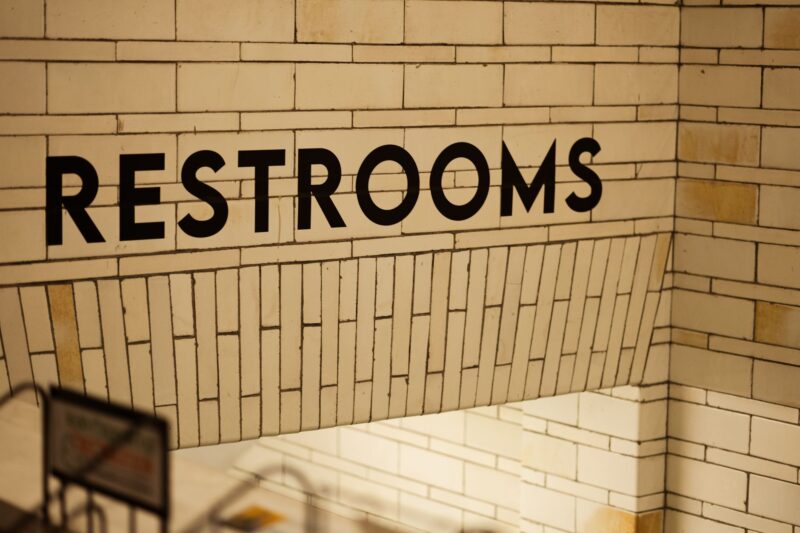
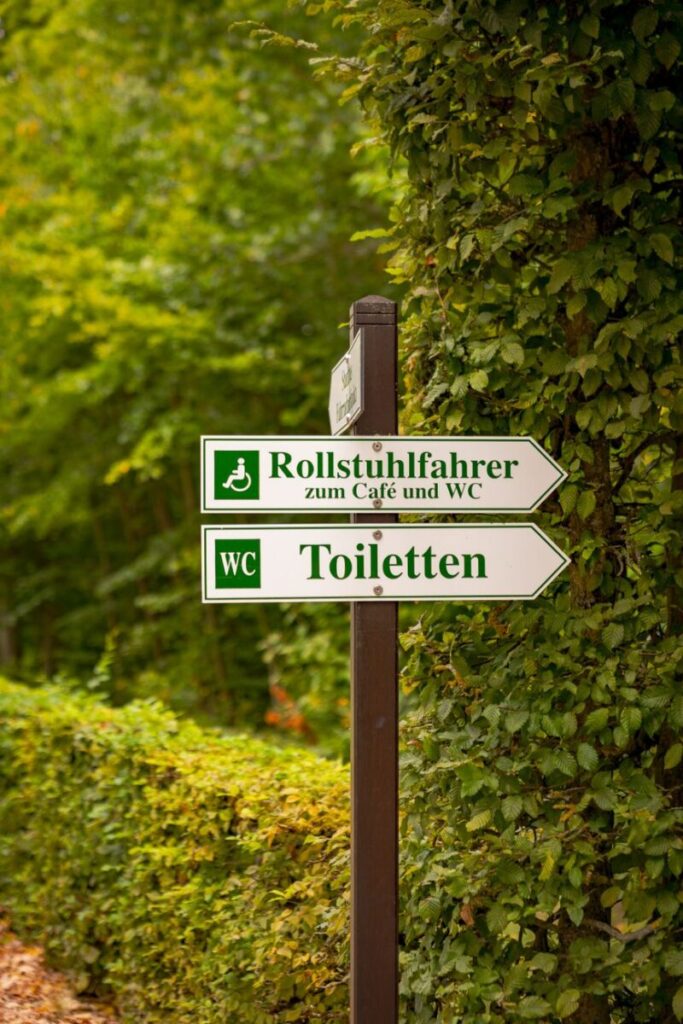
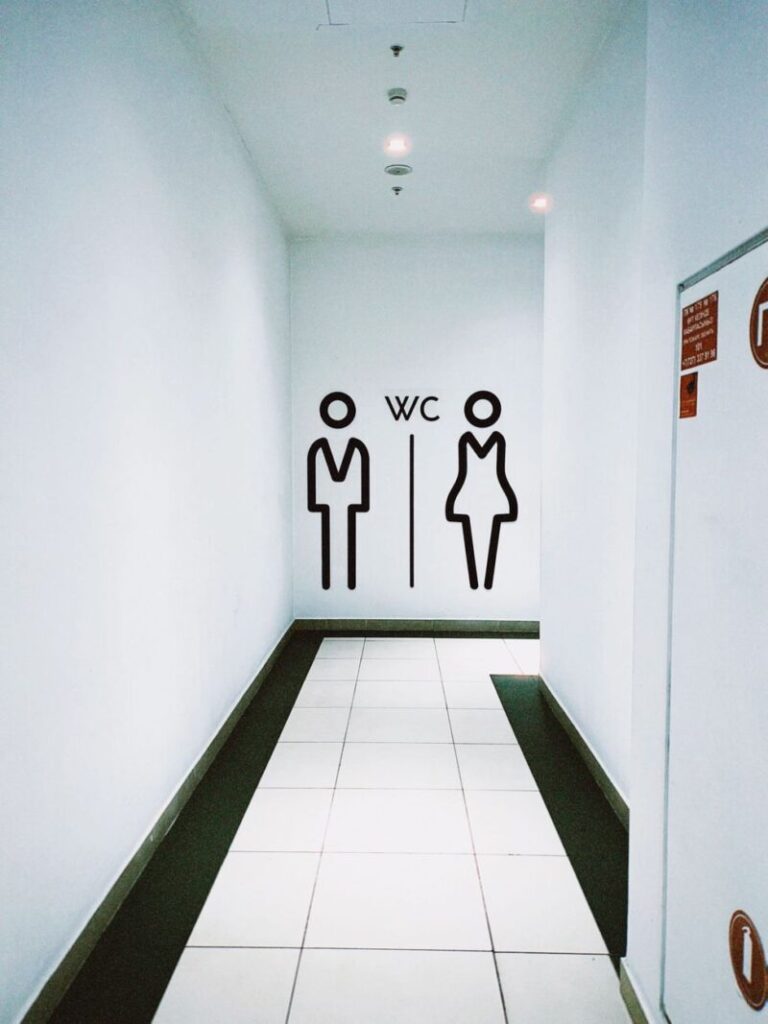
On public maps and doors look for Toilette, Toiletten or the abbreviation WC. Gendered doors use Damen and Herren. Many Autobahn rest stops and some train-station toilets require a small fee, typically about €0.50 to €1 and sometimes a token or mechanical turnstile.
For planning accessible stops and official guidance about public facilities in Germany, consult the national tourism guidance on travel and accessibility Germany Travel - Travel plans for accessibility, and for general travel signage and terms use the national tourism site Germany Travel - Official tourism site.
Pronunciation Shortcuts That Reduce Confusion
Native precision is unnecessary. Emphasize the indicated syllable and keep cadence steady so listeners can parse the word in noisy places.
- Toilette: toy-LET-tuh, stress the second syllable.
- WC: Vay-Ceh, or say the English letters; both are commonly understood.
- Badezimmer: BAH-deh-tsee-mer, break into three clear beats in hurried situations.
- Klo: KLOH, short and unmistakable.
Short Scripts for Restaurants, Stations and Homes
Use formal language with staff and the shorter lines when asking passersby. Pointing at a map or sign speeds the exchange in high-traffic areas.
- Restaurant: Entschuldigen Sie, wo ist die Toilette, bitte?
- Train station: point at a station map and ask Wo ist hier die Toilette?
- Private home or hotel: Könnte ich bitte das Badezimmer benutzen?
- Urgency: Ich muss dringend auf die Toilette.
Practical Etiquette and What to Carry
Carry small change for paid toilets and expect some restrooms to have coin-operated locks or attendants. Stores that list Kunden-WC may expect you to be a paying customer first.
Paper towels, soap dispensers and toilet paper are usually available in larger stations and restaurants but may be limited at small kiosks. If a door is locked, ask directly: Muss ich etwas bestellen, um die Toilette zu benutzen?
Troubleshooting When Words Fail
Use a pointing gesture toward signage or the building, say the single word Toilette and adopt a concerned facial expression to convey urgency. If the sign uses only WC, repeat WC? while pointing to avoid miscommunication.
Quick Reference Table
| Phrase | Use Case |
|---|---|
| Wo ist die Toilette? | General public places; clear and polite |
| Entschuldigen Sie, wo ist die Toilette, bitte? | Formal requests to staff in shops, museums or restaurants |
| Wo ist das Badezimmer? | Private homes or hotel rooms with a bath or shower |
Regional Differences and Expected Signage
Expect Klo in informal speech, Toilette or WC on public signage, and Kunden-WC when a restroom is intended for paying customers. Highway rest stops standardize signage but may post a small entrance fee or use an attendant during peak hours.
For parallel phrase lists and quick comparisons with other languages, see the site’s travel phrase guides on German and French restroom requests Where Is the Bathroom in German? and Where Is the Bathroom in French?. For broader travel planning context on the site, browse the travel category Architecture Adrenaline travel.
Phrases to Memorize Quickly
Learn these three lines for the highest utility when moving between hotels, transit hubs and restaurants:
- Wo ist die Toilette?
- Entschuldigen Sie, ich muss auf die Toilette.
- Könnte ich bitte die Toilette benutzen?
If you want pocket references or phrasebooks that focus on bathroom-related German, consider the travel-phrase resources available through this purchasable search Amazon search for German travel phrases bathroom resources.
Accessibility and Public Facilities
Accessible toilets are increasingly marked and listed, but coverage varies by town and facility type. For planning trips that require accessible restroom information and official guidance on signage and services, consult the Germany tourism accessibility page Germany Travel - Reiseplanung (barrierefrei). Use that guidance when mapping routes through larger transit hubs and municipal centers.
Final Practical Note
Start with the single phrase Wo ist die Toilette? and adjust formality to the setting. Carry coins, point when necessary, and use the short scripted lines above to reduce delays. These small preparations convert a common travel annoyance into a routine exchange.
Related Video
In Germany, asking for the restroom may feel daunting, but it’s quite straightforward. Simply say “Wo ist die Toilette?” which translates to “Where is the restroom?” Locals are generally helpful and will point you in the right direction. Familiarizing yourself with this phrase can enhance your experience while traveling in Germany.
More from Architecture Adrenaline
For more content like this, you can check out our posts and updates on our social media channels. Follow us on Instagram for a look at the latest architectural insights.