
Where is the transmission located in your vehicle, and why is it so crucial to its operation? For many drivers, the transmission is a mysterious component tucked within the bowels of their car, pivotal in ensuring the right power reaches the wheels to maintain optimal speed. Whether nestled under the hood for front-wheel drive cars or situated behind the engine in rear-wheel drive vehicles, this mechanical marvel requires regular attention to stay in peak condition. Understanding the needs of your car's transmission—be it automatic or manual—is key to its longevity. Below is a guide to help you navigate the intricacies of transmission care and location based on different vehicle types.

| Vehicle Type | Transmission Location | Recommended Fluid Change Interval |
|---|---|---|
| Front-Wheel Drive | Under the hood, partly under the engine | Automatic: 60,000 to 100,000 miles Manual: 30,000 to 60,000 miles |
| Rear-Wheel Drive | Behind the engine near the dashboard area | Automatic: 60,000 to 100,000 miles Manual: 30,000 to 60,000 miles |
Understanding the Different Types of Transmissions
When it comes to your vehicle's performance, the type of transmission plays a pivotal role. There are primarily two types:
- Automatic Transmissions: These handle gear shifting on their own, offering a seamless driving experience without the need for manual intervention. For more detailed information on how these systems operate, you can explore the Transmission and Distribution Engineering Program.
- Manual Transmissions: These require the driver to actively shift gears, providing a more hands-on driving feel.
Choosing between automatic and manual often depends on personal preference and driving habits, but understanding their maintenance needs is crucial for longevity.

Transmission Location: Front-Wheel vs. Rear-Wheel Drive
The placement of the transmission varies based on your vehicle's drivetrain configuration:
- Front-Wheel Drive: The transmission is typically located under the hood, integrated with the drivetrain and partly under the engine.
- Rear-Wheel Drive: You'll find the transmission positioned behind the engine, closer to the dashboard area.
This positioning affects not only maintenance access but also the overall vehicle dynamics and space utilization.

The Crucial Role of Transmission Fluid
Transmission fluid isn't just a lubricant; it's the lifeblood of your transmission system. Especially in automatic transmissions, it:
- Lubricates moving parts to reduce friction and wear.
- Helps dissipate heat generated during operation.
- Ensures smooth and efficient gear shifts.
Over time, this fluid can degrade and accumulate debris, which compromises its effectiveness and can lead to costly transmission issues if not addressed.
Maintaining Optimal Transmission Health
Regular maintenance is key to extending the life of your transmission. Here are the recommended fluid change intervals:
- Manual Transmissions: Every 30,000 to 60,000 miles.
- Automatic Transmissions: Every 60,000 to 100,000 miles.
However, if you frequently engage in high-demand driving conditions like towing or extensive stop-and-go traffic, you might need to adjust these intervals for better protection.
Spotting the Signs of Transmission Trouble
Being aware of the warning signs can save you from unexpected breakdowns and expensive repairs. Look out for:
- Difficulty shifting gears or delayed engagement.
- Unusual grinding or whining noises during gear shifts. For insights into more technical aspects and upgrades, consider resources such as the Transmission Infrastructure Program (TIP).
- Slipping between gears, causing unexpected surges or loss of power.
- Fluid leaks or noticeable drops in transmission fluid levels.
If you notice any of these symptoms, it's advisable to consult a service technician promptly to diagnose and address the issue.
Keep Your Transmission in Top Shape
Your vehicle's transmission is a complex and essential component that deserves regular attention. Whether you're a manual enthusiast or prefer the ease of an automatic, understanding and maintaining your transmission ensures a smoother, more reliable driving experience. Have you ever experienced transmission issues or have tips for keeping it running smoothly? Share your thoughts and stories in the comments below! For more recent updates and articles, visit our blog.
How to Check Your Transmission Fluid
Where is the transmission located in your vehicle, and why is it so crucial to its operation? For many drivers, the transmission is a mysterious component tucked within the bowels of their car, pivotal in ensuring the right power reaches the wheels. To ensure your transmission is functioning properly, CarTunes provides a comprehensive guide on how to check your transmission fluid the right way.
Where is the transmission in a car located?
In most front-wheel-drive cars, the transmission is housed under the hood, integrated into the drivetrain and partially beneath the engine. If your vehicle has rear-wheel drive, you’ll typically find the transmission mounted behind the engine, near the dashboard or central console. Knowing exactly where your transmission sits can help you spot issues early, keep up with maintenance, and ensure a smoother ride.
Where do you check the transmission?
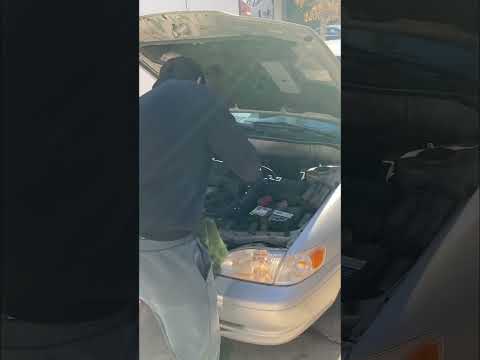
Start by popping the hood. For vehicles with an inline engine, look behind the oil dipstick, near the windshield, to locate the transmission fluid dipstick. If you drive a front-wheel-drive vehicle, check to the right of the oil dipstick, often close to the battery. Regularly checking fluid levels can help you maintain the lifespan of your transmission and avoid unexpected breakdowns.
How much does it cost to replace a transmission?
Transmission repair costs can vary widely, generally ranging between $300 and $1,400. For instance, if your manual transmission needs a new clutch, the cost typically falls between $800 and $1,500. However, a full transmission replacement is among the most expensive auto repairs, spanning from around $1,800 to $3,400. Keeping your transmission fluid fresh and monitoring your transmission’s performance can help you avoid these high expenses over time.
Understanding where the transmission is located in your vehicle and grasping its importance can significantly enhance how you care for your car. While it might seem like a hidden component, the transmission plays a vital role in ensuring your vehicle runs smoothly and efficiently.
Stay Connected
We hope this insight helps you appreciate the crucial role your transmission plays. For more tips and automotive insights, be sure to follow us on Instagram. Let's keep the conversation going!
