
Discover the best architecture sketchbook for markers to elevate your designs! Unleash your creativity and start sketching your dreams today. Learn more!
The best architecture sketchbook for markers isn’t just about a pretty cover—it’s the quiet engine behind clean lines, confident erasing, and layered concepts that survive multiple revisions. In this guide, you’ll learn why marker-friendly paper matters, what to look for in terms of weight, texture, and binding, and practical, field-tested recommendations including the strong Moleskine option and solid alternatives that perform better with markers.
Why the right sketchbook matters for marker work
Architecture sketches with markers demand paper that resists bleed-through, handles frequent erasures, and supports layering without warping. A high-quality sketchbook with thicker paper offers smoother ink flow, more consistent line weight, and the ability to revise ideas without sacrificing surface texture. For many students, the right book also means a comfortable experience that makes long drawing sessions feel effortless, especially when you’re switching between graphite, ink, and markers.
Key features to prioritize
- Paper weight and texture: Look for heavier weight paper (typically 120–200 gsm or higher) with a smooth surface that won’t feather easily. Bristol-style papers and dedicated marker papers are popular choices.
- Marker compatibility: Some papers perform better with alcohol-based markers, others with water-based markers. Check for reviews about bleed-through, show-through, and warping under frequent reworking.
- Erasing resilience: Architecture drawing involves frequent erasing and redrawing. Paper that tolerates repeated erasing without tearing makes a huge difference in workflow.
- Size and portability: Large pages offer room for plan-scale drawings, while A3 or similar sizes work well for bigger ideas and quicker concept sketches.
- Binding and page layout: A lay-flat binding or perforated pages can improve usability when you’re working on large sheets or sharing your work with classmates.
Marker options that frequently pair well with architecture sketchbooks
Many students mix pencils, inks, and markers. Here are reliable tools commonly used alongside architecture sketchbooks:
- Pencils: Arteza Expert Pencils (set of 12) for initial sketches and shading.
- Pens: Staedtler Pigment Liners (set of 12, 0.05–1.2 mm) and Uni Pin Fine Liners (set of 9, 0.05–0.8 mm) for precise lines; Arteza Fineliners (0.4 mm) as a budget-friendly option.
- Color markers: Copic Markers (72-piece set or smaller color schemes), Touch Markers (60), Arteza Markers (120 or 60).
- Paper types: Standard printer paper for quick thumbs, heavyweight Bristol for final line work, tracing paper for layering and revisions.
Top pick: Moleskine sketchbook for architecture students
The Moleskine sketchbook is frequently highlighted by students for its durable, high-quality paper and versatile media compatibility. A standout advantage is its ability to withstand frequent erasing and redrawing, which is essential for iterative architectural thinking. The sketchbook is commonly rated very highly by users, with many reports of smooth handling and a pleasant drawing experience. However, there are mixed reviews when it comes to alcohol-based markers and watercolor, with some warping or bleed-through noted depending on the marker type and marker density on the page.

Practical sizing guidance
For architecture school or studio work, the Large size is a practical default because it provides more room for plans, elevations, and perspective studies. If you’re exploring bigger ideas or want a surface close to A3 planning sheets, consider an A3-sized option when available. If you travel or prefer a compact option for field sketches, a smaller variant can be useful, but you may trade off page real estate for portability.
Alternative options worth considering
While the Moleskine is a popular pick, other materials can better suit certain needs or marker types:
- Heavyweight Bristol Paper: Thick, sturdy paper that’s less prone to bleed-through, ideal for marker-heavy or color-work on each page.
- Tracing Paper: Excellent for layering, tracing, and refining layouts without committing to final lines. Useful for overlays and multiple perspectives.
Practical setup tips for marker-heavy architecture sketches
- Test your marker on a small swatch of the sketchbook page before diving into a large drawing to understand bleed and staining.
- Use light pencil underlay and build layers gradually to minimize erasing damage to the page surface.
- Consider blotter sheets or scrap paper between pages if your markers tend to bleed through—especially on thinner notebooks.
- Protect your work with a spritz/brush-based fixative only if you need to seal ink layers; test compatibility with your chosen markers first.
How to choose your best architecture sketchbook for markers
Ask yourself these questions to narrow your choice:
- What marker types do you predominantly use (alcohol-based vs. water-based)?
- Do you prioritize erase-friendly paper over ultra-smooth surfaces, or vice versa?
- How important is page count, binding, and the ability to lay-flat while drawing?
- What size best fits your typical workflow in coursework or studio reviews?
Frequently asked questions
Is a marker-specific sketchbook necessary? Not strictly, but choosing a book with thicker, compatible paper makes a noticeable difference in durability, erasing resilience, and color performance.
Can I use water-based markers on Bristol paper? Yes, most water-based markers perform well on Bristol. Always test a small area first to ensure no warping or excessive bleed.
The journey to find the perfect architecture sketchbook for markers can seem overwhelming, but weighing paper quality, size, and usability against your personal drawing style can simplify the process. The Moleskine remains a reliable choice for many students, while alternatives like heavyweight Bristol paper extend your options, especially with aggressive media. Architecture sketchbook markers on Amazon can also provide further insights into what suits your needs best. What’s your go-to sketchbook for architecture work? Share your favorites and any tips in the comments below—your insights could help someone else find their ideal sketchbook!
| Paper Type | Marker Compatibility | Notes |
|---|---|---|
| Heavyweight Bristol (e.g., 200 gsm) | Good for alcohol- and water-based markers; reduced bleed-through | Excellent for final line work and color builds |
| Marker Paper / Bleed-proof pads | Best performance with alcohol-based markers; minimal show-through | Often used in combination with a separate bleed-proof page when needed |
| Standard sketchbook paper (typical 90–120 gsm) | Variable; higher risk of bleed-through and warping with heavy markers | Good for quick thumbs and rough planning, not ideal for heavy marker work |
Why the right sketchbook matters for marker work — recap
For architecture students and professionals, the right sketchbook balances paper quality, size, and usability with your drawing style. The Moleskine option remains a dependable baseline for many, but if you push markers hard, exploring heavyweight Bristol or dedicated marker papers can expand your capabilities and keep work clean and legible across layers. If you’d like tailored recommendations based on your marker type (alcohol-based vs. water-based) and typical sizes, tell me your setup and I’ll craft a precise shortlist just for you.
The journey to find the perfect architecture sketchbook for markers can feel daunting, but the payoff is real: fewer frustrations, smoother revisions, and more confident final renders. What’s your go-to sketchbook for architecture work? Share your favorites and any tips in the comments below—your experiences could help someone else discover their ideal match.


Canson XL Mix Media Pad 9x12
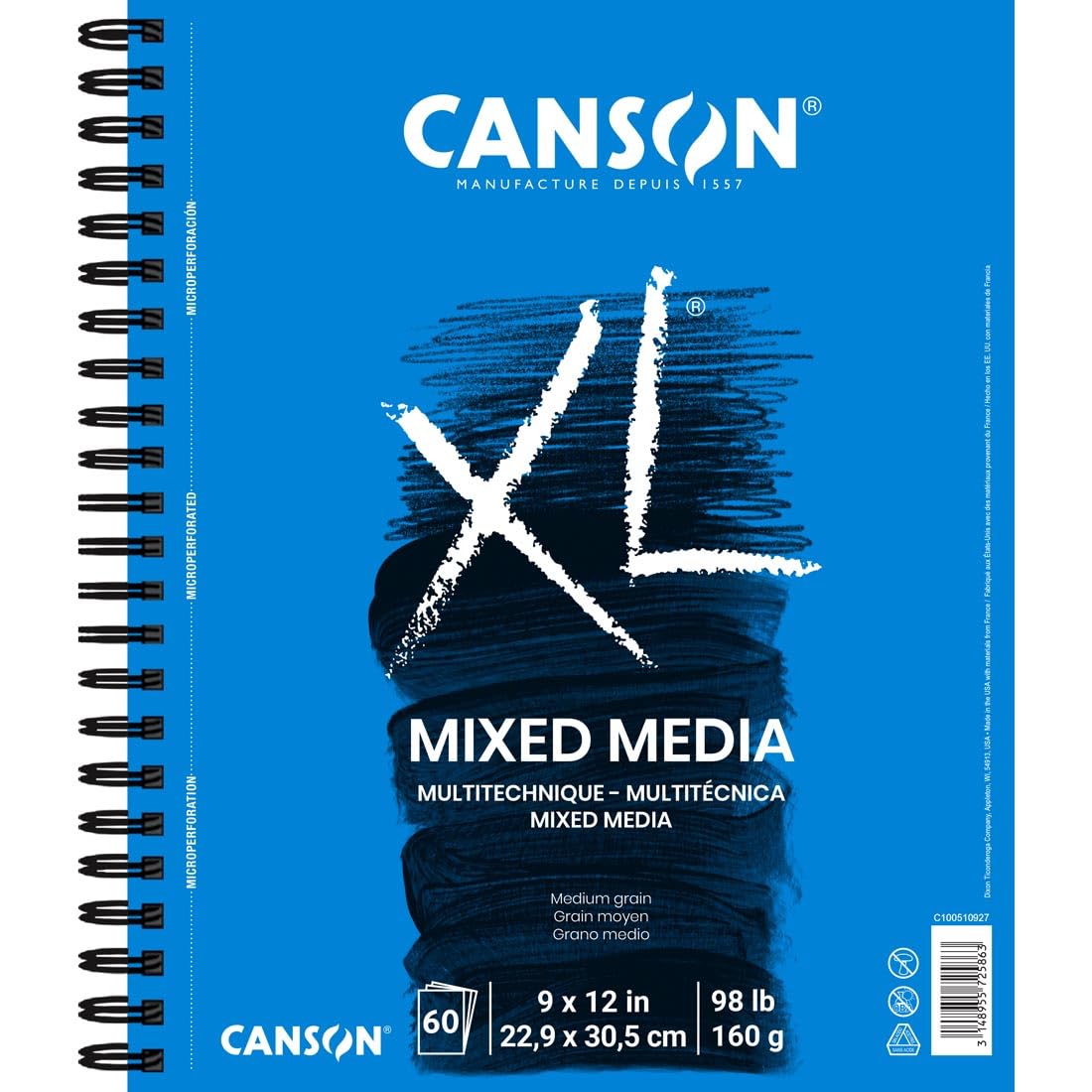
Best for versatile marker work with mixed media needs. The Canson XL Mix Media Pad provides a blend of surface textures that handle alcohol-based markers, pencils, ink, and light washes, making it a solid all-purpose choice for architectural sketching and quick concept visuals.
- Size: 9 x 12 inches
- Paper: Mix Media (great balance for markers and ink)
- Sheets: 50 sheets (approximate typical pack)
- Bleed resistance: Moderate; watch for heavy marker layering
- Ideal for: Quick layouts, prep sketches, final light marker renderings
RENDR Hardbound Sketchbook 5.5x8.5
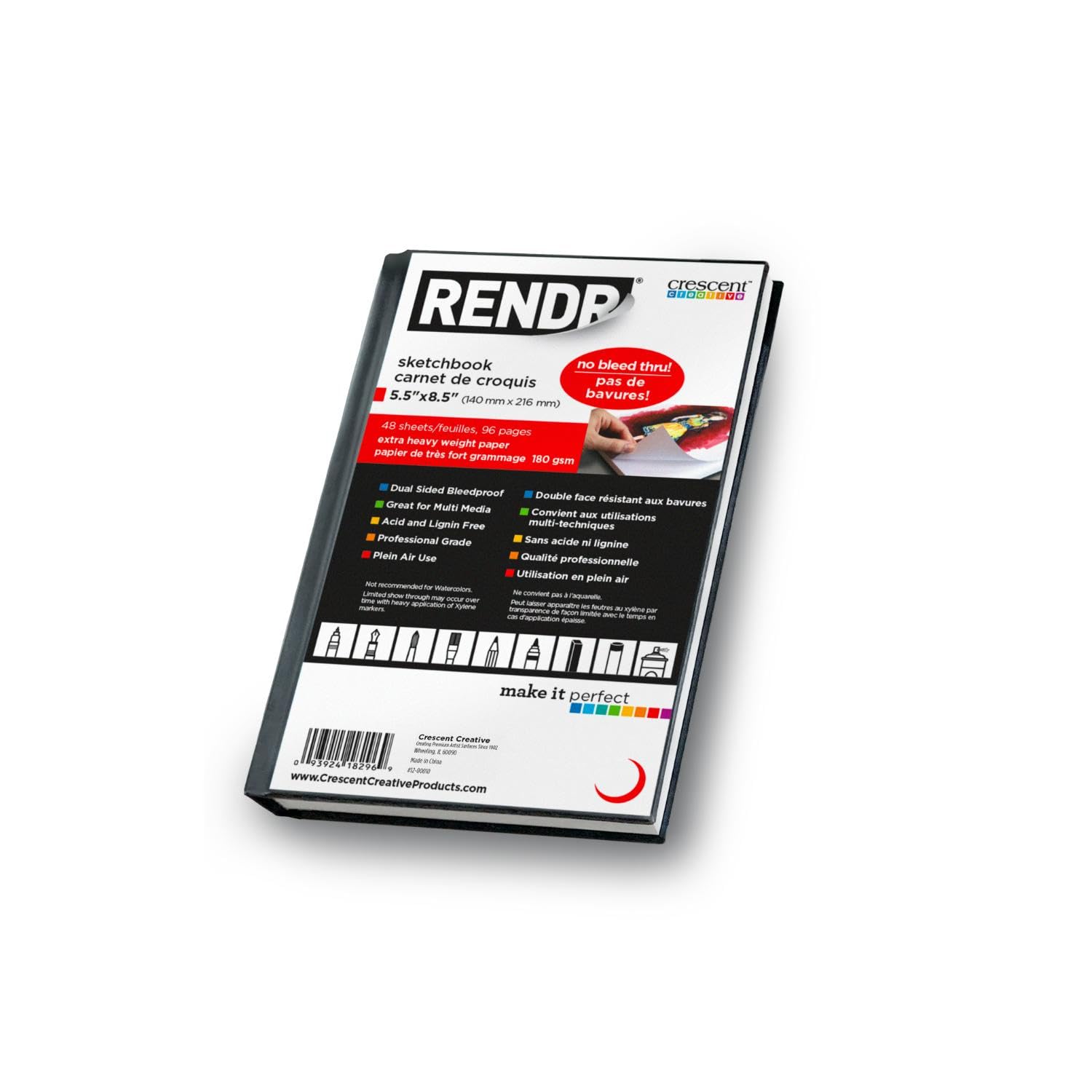
Compact hardbound sketchbook designed for alcohol markers and Copic use with bleed-proof paper. The 180 GSM stock helps minimize show-through, enabling clean one-page marker experiments and quick architectural thumbnail work.
- Size: 5.5 x 8.5 inches
- Paper: Bleed-proof, 180 GSM
- Sheets: 48
- Bleed-through: Low; good for markers and inks
- Ideal for: On-the-go ideation, in-field sketches
50 Sheets Marker Paper Pad, 7.6×7.6 Inch

Compact marker paper pad with a lighter weight, designed specifically for alcohol markers. Useful for small architectural thumbnails, color studies, and color-matching exercises that don’t require large formats.
- Size: 7.6 x 7.6 inches
- Paper: 120 GSM (approx. 73 lb)
- Sheets: 50
- Bleed-proof: Yes, designed for markers
- Ideal for: Quick color studies, thumbnail concepts
Canson XL Series Marker Paper, Foldover Pad 9x12

This foldover pad is specifically optimized for marker use with a surface that minimizes bleed and feathering. It’s a reliable option for clean, repeatable marker blocks and quick build-ups in architectural sketches.
- Size: 9x12 inches
- Paper: Marker-specific (bleed-resistant)
- Sheets: 100
- Bleed-through: Low to moderate depending on markers used
- Ideal for: Marker studies, presentation-ready boards
RENDR Hardbound Sketchbook 8.5x11
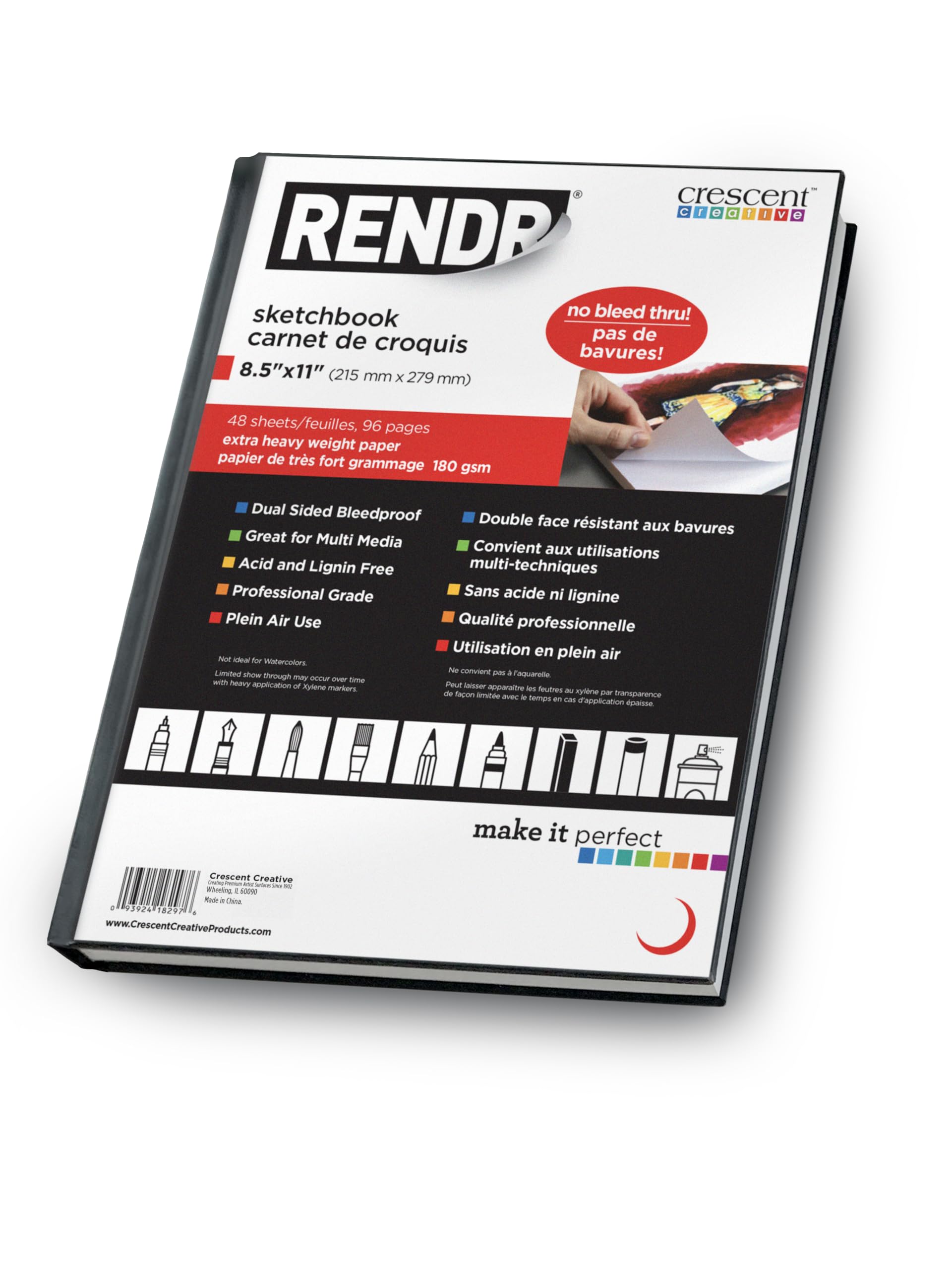
A larger format option from RENDR that emphasizes bleed-proof performance for alcohol markers, Copics, and ink. The 180 GSM stock reduces show-through while providing a smooth surface for confident line work and shading in architectural ideas.
- Size: 8.5 x 11 inches
- Paper: Bleed-proof, 180 GSM
- Sheets: 48
- Bleed-through: Minimal with markers
- Ideal for: Full-page marker explorations, presentations
Ohuhu Marker Pads Art Sketchbook 7x10

Large-paper-size Ohuhu sketchbook specifically built for alcohol markers with a sturdy spiral binding. The 200 GSM stock yields a smooth surface that handles layers of color and shading well without warping.
- Size: 7 x 10 inches
- Paper: 200 GSM smooth drawing paper
- Sheets: 60
- Bleed-through: Minimal; good marker compatibility
- Ideal for: Marker key studies, color experiments
Ohuhu Double-Sided Marker Pad Art Sketchbook 5.5x8.5

A compact, hardcover marker pad with double-sided sheets to maximize marker testing opportunities in a small footprint. The 150 GSM (90 lb) paper offers a balanced surface for clean lines and delicate shading.
- Size: 5.5 x 8.5 inches
- Paper: 150 GSM (90 lb), double-sided
- Sheets: 60
- Bleed-through: Low to moderate depending on markers
- Ideal for: Quick concepts, small-scale architectural ideas
Canson Artist Series Field Drawing Book 9x12

Professional-grade drawing book that holds up to marker, pen, and ink use with a sturdy field-friendly binding. Ideal for on-site architectural sketches and field notes, with a surface that supports crisp line work.
- Size: 9x12 inches
- Paper: Professional art paper
- Sheets: 60
- Bleed-through: Moderate; depends on marker type
- Ideal for: On-site sketching, field studies
Canson Artist Series Sketchbook Hardbound 11x14

Large-format hardbound sketchbook intended for serious marker work, graphite, and mixed media. The 65 lb/96 g high-quality paper provides a reliable surface for precise architectural renderings and large color studies.
- Size: 11x14 inches
- Paper: 65lb/96g; multi-purpose
- Sheets: 184
- Bleed-through: Moderate; best with controlled layering
- Ideal for: Large concept boards, presentation-ready pages
Beechmore Books A4 Mixed Media Sketchbook
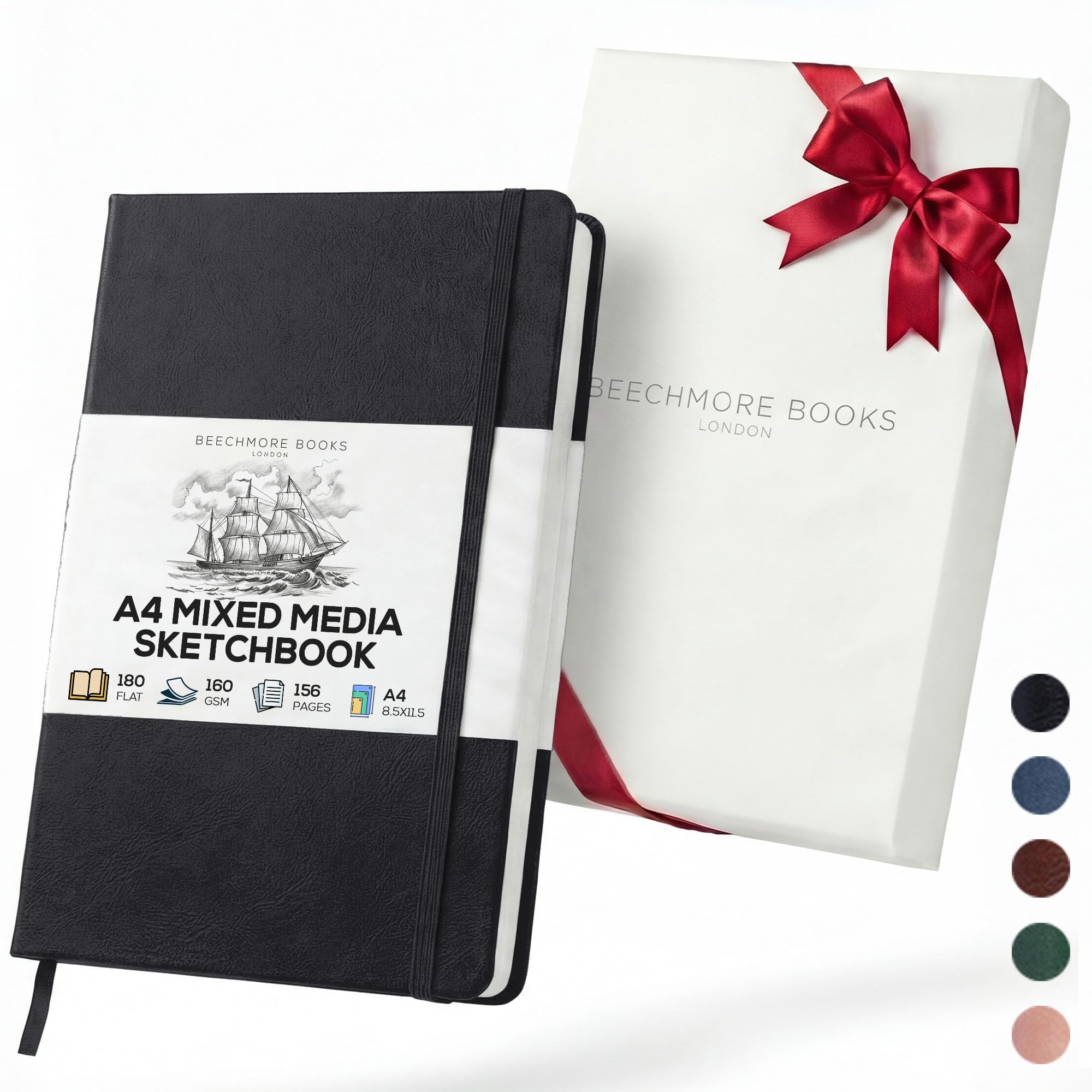
A premium A4 mixed-media sketchbook designed for ink, drawing, and light watercolor. The 160 GSM / 98 lb ivory paper offers a versatile surface for marker tests, line work, and quick architectural notes, while the lay-flat binding enhances usability.
- Size: A4 (approximately 8.27 x 11.69 inches)
- Paper: 160 GSM / 98 lb ivory
- Sheets: 156
- Bleed-through: Low to moderate depending on markers
- Ideal for: Full-page concept sketches, mixed-media experiments
As we wrap up this exploration of the best architecture sketchbooks for markers, I hope you’re feeling inspired to unleash your creativity! Choosing the right sketchbook can make a world of difference in your architectural journey. Whether you’re sketching out intricate designs or capturing the essence of everyday life, the perfect pages can elevate your artistic expression and help you find your unique style. Don't forget, practice is key! So grab your favorite markers, pick a sketchbook that speaks to you, and start doodling those dreams into reality.
Stay Connected for More Inspiration!
If you loved this post, join our community of fellow architecture enthusiasts! We’re always sharing tips, inspiration, and resources to help you on your creative path. Plus, we’d love to see what you’re working on! Connect with us on Instagram at @architectureadrenaline—we can’t wait to chat and share in the joy of architecture together! Keep sketching and creating; the world is waiting for your unique perspective.
