
Choosing Fireplace Moulding Trim wisely starts with matching the trim profile and material to your fireplace type, aesthetic, and safety clearances. This guide blends practical sizing, profile options, materials, installation tips, and code considerations to help you select decorative trim that enhances your fireplace while staying compliant. To explore how trim profiles translate into real-world deployments, consider deeper looks at related assembly methods and safe methods for integration, including noncombustible backers and finishing details.
| Thing To Decide | Quick Recommendation |
|---|---|
| Mantel/Trim Material | Wood for warmth; use noncombustible (cement board/tile/stone) within clearance zone |
| Minimum Clearance | Verify manufacturer and local code; plan for at least 6 in (152 mm) to combustible trim |
| Profile Style | Shallow crown or flat surround near opening; reserve heavy dentil/ bolection away from opening |
| Fireplace Type | Masonry: follow IRC; Gas/manufactured: follow unit manual first |
Why fireplace moulding trim matters
Trim defines the visual edge between the opening and the room. Its proportion, projection, and material transform the hearth’s reading—from a bold, traditional dentil frame to a minimal, modern surround. Beyond aesthetics, the correct trim respects heat and clearance rules so the mantel remains safe to use and insurable. For a broader sense of how trim interacts with room proportion and finish, see practical discussions of surrounding materials and profiles in related design resources.
Code and manufacturer guidance you must follow
Local building codes and the International Residential Code (IRC) set minimum clearances for combustible millwork near fireboxes. A common baseline is 6 inches (152 mm) from the opening for combustible trim, but always check your jurisdiction. For manufactured or gas fireplaces, the appliance manual and any listed clearances override generic guidance, so treat the manual as the primary reference. When in doubt, document the exact clearance requirements and cited standards as you finalize drawings and shop drawings.
Choosing the right profile for your fireplace
- Crown Molding Around Fireplace: classic cap above the mantel shelf; select a shallow profile if clearance is tight.
- Dentil Moulding Fireplace: small repeated blocks under the shelf; use sparingly where projection won’t breach clearances.
- Bolection Moulding Fireplace: raised frame edge; works well as a surround but keep the lip shallow near the opening.
- Flat or Square Trim: modern look with minimal projection, ideal near the firebox.
Materials and what they mean for safety and style
Material choices balance heat, look, cost, and longevity.
- Solid wood or MDF trim: warm, easy to mill; treat as combustible and maintain required distances.
- Engineered wood veneers or prefinished mantels: quick install; still combustible unless specifically rated otherwise.
- Noncombustible substrates (cement board + tile/stone): allow closer placement to openings and are common right next to the firebox.
- Cast stone, marble, or metal trims: premium, noncombustible options for tight-clearance surrounds.
How to measure and plan trim for your fireplace
- Measure the firebox opening (width and height) and the facing depth (how far the firebox face sits from the room plane).
- Decide mantel shelf height; typical range is 48–60 inches above finished floor, scaled to room size and hearth height.
- Set mantel shelf projection to visually balance the opening and avoid hazardous overhangs; deeper shelves may affect allowable trim.
- Draw a scale elevation showing the required clearance zone (for example, 6 inches from opening) and place combustible trim outside that zone or behind a noncombustible substrate.
Installation strategies to stay compliant and beautiful
Use these practical tactics when adding molding around the fire area:
- Inside-clearance trim: mount thin trim over a noncombustible backer (cement board) and finish with tile or noncombustible cladding.
- Secure mantels to studs or blocking; heavy wood mantels require solid mechanical attachment and often a ledger or cleat.
- Seal gaps between combustible trim and noncombustible surround with high-temperature caulk when required by the manufacturer.
- Follow appliance manuals for gas or direct-vent units; many allow closer decorative trim if the face is noncombustible or uses a tested trim kit.
Design rules of thumb for proportion and safety
Practical guidelines to get it right:
- Place heavier, projecting elements (deep dentils, large bolections) outside the minimum clearance or on a noncombustible plane.
- Match leg width and header height to the opening; large openings need stronger visual weight, small openings benefit from slimmer profiles.
- Crown above the fireplace should be modest if near the opening; a taller noncombustible overmantel allows more elaborate crown higher up.
Common mistakes to avoid
- Assuming all trim is safe based on looks alone; always verify codes and manufacturer guidance.
- Using deep, projecting profiles right at the opening, risking heat exposure and awkward proportions.
- Ignoring substrate requirements; attaching combustible trim directly without checking clearances increases risk.
- Forgetting to coordinate hearth height and floor trim with the surround finish and clearances.
Crown molding around brick or stone surrounds
Brick or stone faces are often noncombustible, which can allow closer crown profiles when mounted on a noncombustible backer. If the masonry extends to the opening, shallower decorative crown above the mantel often works without violating clearance rules; always confirm with the local code language or inspector.
Decorative wood mouldings without compromising safety
Historic or ornate looks can be achieved safely by:
- Positioning combustible ornament outside the clearance zone or mounting it over a noncombustible substrate.
- Using shallower profiles near the opening and reserving bolder elements further away.
- Choosing heat-tolerant finishes; remember, finishes do not change combustibility—clearance planning still applies.
How to compare common surround styles
Quick look at popular approaches:
- Mantel-free modern surrounds: minimal trim, tile or plaster; ideal for linear fireplaces and tight clearances.
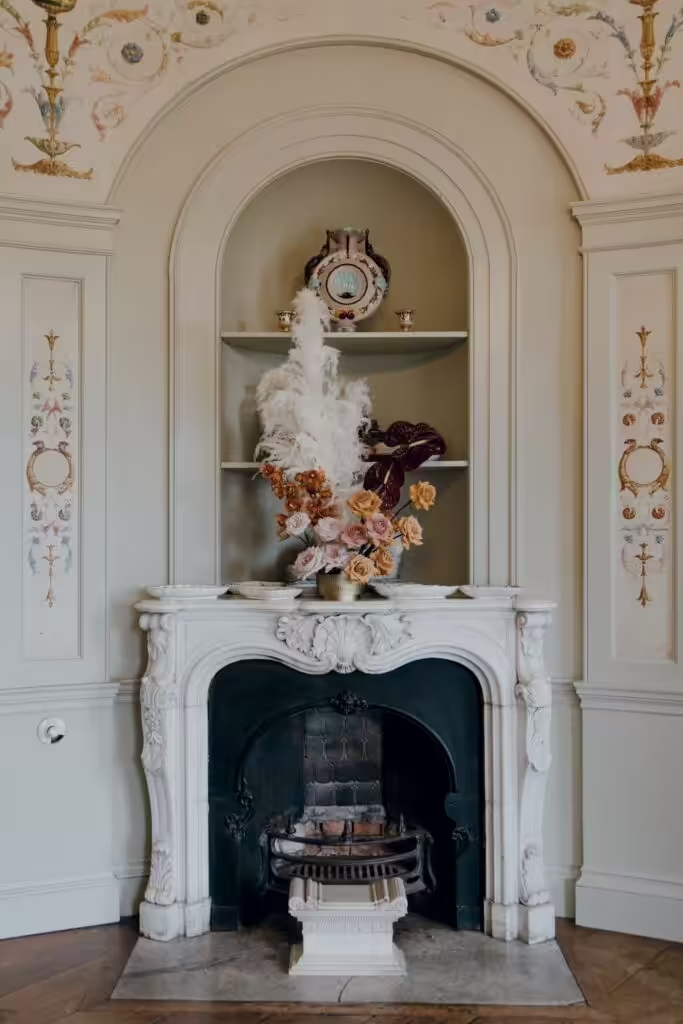
- Traditional mantel with dentil moulding: formal, deeper shelf with dentils; compatible with careful clearance planning.
- Stone or marble surrounds with minimal trim: noncombustible face enables closer detailing and ornate upper crowns.
- Floating shelf mantels: simple shelf anchored to studs or cleats; trim kept minimal for clean lines and safety.
Practical checklist before finalizing your mantel trim
- Confirm fireplace type (masonry, manufactured, gas) and obtain the appliance manual or listing.
- Review the IRC or local code edition adopted in your area for combustible mantel/trim clearances.
- Measure the opening, hearth, and wall plane; draft a scale plan showing clearance zones.
- Decide where noncombustible cladding will be used (within the minimum clearance zone).
- Plan fasteners and blocking for the mantel shelf and heavy trim.
- When in doubt, consult a licensed installer or local inspector to avoid safety or insurance issues.
Frequently asked questions
How close can molding be to a fireplace?
Follow the appliance manual and local code. A common baseline for combustible millwork is 6 inches (152 mm) from the firebox opening, but check your jurisdiction for exact numbers and exceptions.
Can I paint wood trim near the fireplace?
Yes. Finishes don’t change combustibility, but you must still observe clearance rules or use a noncombustible substrate where required.
Is crown molding around a fireplace safe?
Yes, if positioned outside required clearance zones or attached to noncombustible backers when closer to the opening. Keep crown profiles modest near the firebox.
Next steps: finalize your mantel trim design
Begin with the fireplace manual and your local code edition, draft a scale plan showing clearance zones and proposed molding profiles, then decide on a base material strategy (combustible vs noncombustible where necessary). For elaborate dentil or bolection mouldings, position them away from the opening or place them on a noncombustible plane to achieve the look safely. When unsure, seek a quick review from a licensed installer or your building department to avoid costly rework and keep your mantel both safe and beautiful.
Have you updated your fireplace moulding trim recently? Share your experiences, a photo of your project, or any tips that helped you balance safety with design in the comments below.
Editorial note: For practical reference on trim compatibility and installation nuances, readers may also consult our related material on noncombustible backers and finish strategies in the broader Architecture Adrenaline library. For a structured shop‑drawer approach to trim profiles, see the Complete guide to fireplace surround with mantel installation.
Practical shopping reference for decorative profiles and trim options can be explored in our product‑level overview: fireplace moulding trim products on Amazon.
Explore internal resources for related finish and substrate considerations:
- Fascia Board Repair Labor Cost Explained
- The Importance of Tannins in Wood Crafting
- Top Things For Adults To Enjoy At Disney World
```
How to Choose Interior Molding | This Old House:
Choosing the right fireplace moulding trim can truly transform your living space, adding a touch of elegance and warmth that makes all the difference in your home. With so many styles, materials, and finishes to consider, it can feel overwhelming to decide which trim will best complement your decor. Remember to consider the overall aesthetic you're going for and take the time to explore various options that resonate with your personal style. After all, your fireplace is often the heart of your home, and the right trim can enhance its charm while reflecting your unique taste.
Stay Connected for More Inspiration
As you embark on this exciting journey of selecting your fireplace moulding trim, don’t hesitate to reach out for more tips and inspiration. We love connecting with fellow home enthusiasts! You can follow us on social media, like our Instagram, where we share plenty of design ideas and tutorials to help you on your home improvement adventure. Happy decorating, and may your new fireplace trim bring you warmth and joy for years to come!
