
Coffee grounds can deter squirrels as a supplementary measure, making them a popular choice among gardeners looking for eco-friendly solutions. Using leftover coffee grounds in your garden can create an aromatic barrier around your plants, providing a natural way to keep these mischievous creatures at bay. Interestingly, many gardeners have found success with this method, suggesting that it may tap into squirrels' natural aversions. However, it's essential to understand that while coffee grounds can help, they are not foolproof. Diving into the diverse uses and effectiveness of coffee grounds can empower you to protect your garden more effectively.
What the research says about coffee grounds and squirrels
- How coffee grounds create a deterrent effect for squirrels
- Best practices for applying coffee grounds in your garden
- Complementing coffee grounds with additional deterrents for improved results
To maximize your gardening success, it's crucial to adopt a layered strategy that combines coffee grounds with other effective deterrents. This approach not only enhances your defense against squirrels but also contributes to the overall health of your plants. Let's explore the practical applications and evidence behind using coffee grounds in your gardening routine.
Coffee grounds can deter squirrels as a supplementary measure, but they are not a guaranteed long-term solution. This approach can help protect potted plants, bulbs, and bird feeders when used as part of a layered strategy, especially if you have a steady supply of used grounds to refresh the scent and texture periodically.
Do Coffee Grounds Keep Squirrels Away is a question many gardeners ask when seeking simple, homey solutions to protect potted plants, bulbs, and even bird feeders from curious critters. The short answer is that coffee grounds can help in some situations as a supplementary, temporary deterrent, but they aren’t a guaranteed, long-term solution and tend to work best as part of a layered strategy.
What the research says about coffee grounds and squirrels
In practice, coffee grounds create a noticeable scent and texture that some squirrels avoid, but credible sources stress that the evidence for a reliable, lasting deterrent is limited. Many university extensions and horticulture resources frame grounds as a supplemental approach rather than a stand-alone shield. Rain, irrigation, and soil contact can wash away the scent, reducing effectiveness over time. In short, coffee grounds are a tool to add to your toolkit—not a magic fix. For a concise, evidence-informed perspective, see Do Coffee Grounds Really Keep Squirrels Away?.
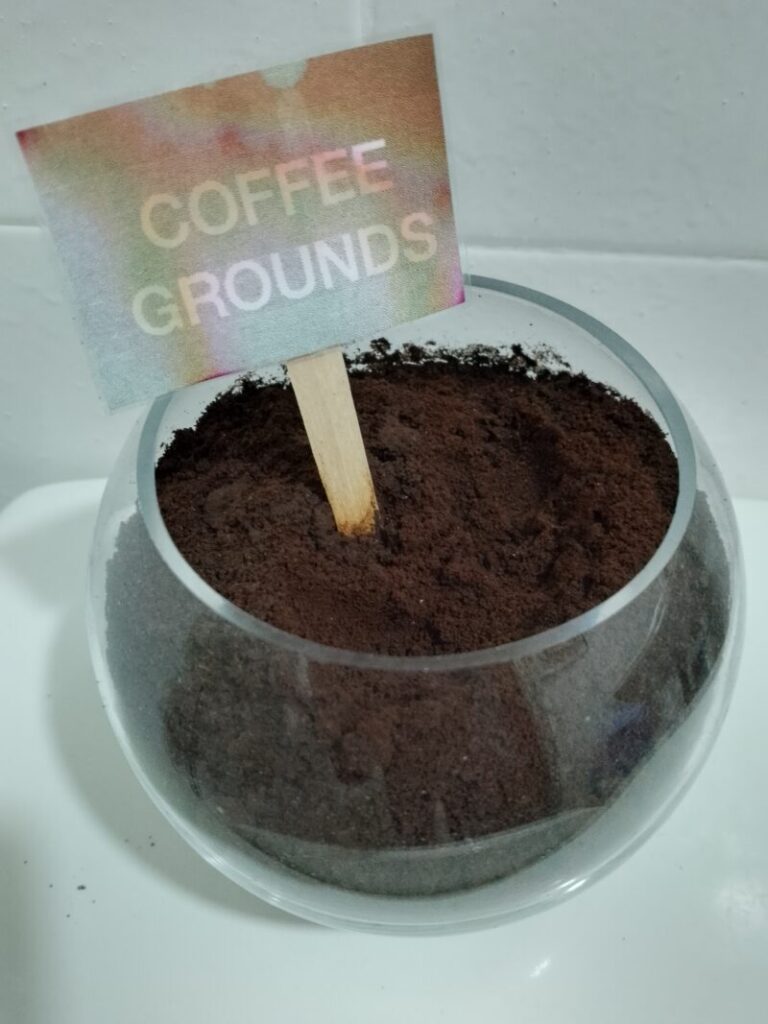
| Aspect | What It Means For Squirrels | Practical Tip |
|---|---|---|
| Deterrent Type | Coffee grounds emit a strong scent and textural feel that some squirrels find off-putting | Apply around soil surfaces, pots, and potential entry points; reapply after rain or heavy irrigation |
| Effectiveness Window | Typically short-term and location-dependent; animals can habituate | Pair with barriers and other deterrents for better results |
| Soil Health Benefit | Ground coffee can add organic matter and nutrients to the soil | Consider as a soil amendment when not relying on it as the sole repellent |
Why and how to use coffee grounds in your garden
There’s a long-standing garden tradition of sprinkling coffee grounds to deter hungry critters. The idea hinges on the scent overpowering food cues and creating an environment squirrels prefer to avoid. However, the scent’s strength fades with rain, watering, and soil contact. For many gardeners, coffee grounds perform best as a supplementary measure rather than a stand-alone solution. See also Will Coffee Grounds Keep Chipmunks Away? for a broader pest-deterrence context.
How to use coffee grounds to deter squirrels
If you want to experiment, try these practical steps aligned with common garden practice:
- Sprinkle used coffee grounds around the soil surface of pots, raised beds, and planters to create a scented barrier.
- Reapply after rain, heavy watering, or wind exposure to maintain the deterrent scent.
- Combine with other deterrents, such as hot pepper flakes, garlic, or physical barriers, for a layered approach.
Deterring squirrels from edibles and container plants
Coffee grounds can be used around plants like tomatoes and other edibles, but they are not a guaranteed shield. For container plantings, integrate grounds into the soil rather than leaving a thick surface crust, and prioritize physical barriers (mesh cages, hardware cloth) to prevent digging. For additional perspectives on garden deterrents, see Stop Squirrels Chewing House: Effective Solutions.
Coffee grounds and bird feeders
Some gardeners place grounds around feeding stations to reduce raiding, but success is mixed. A comprehensive deterrent plan—combining grounds with barriers and disciplined attractant management—tends to yield better results, especially in areas with heavy squirrel activity. For broader context on plant and garden protection strategies, you may also find guidance in the article Do Coffee Grounds Really Keep Squirrels Away?.
Long-term viability: Do used grounds help over time?
Used coffee grounds are milder than fresh grounds, but they still carry aroma. The deterrent effect often fades outdoors, necessitating regular reapplication. For dependable protection, couple coffee grounds with other proven strategies rather than relying on them alone. See related discussion in Will Coffee Grounds Keep Chipmunks Away?.
Common mistakes and myths worth debunking
- Assuming coffee grounds are a guaranteed, long-term solution. They’re typically best as a supplementary measure.
- Relying on a single application; the scent fades and is washed away by rain or irrigation.
- Ignoring soil health considerations. Coffee grounds can affect soil pH, so monitor pH-sensitive plants and use sparingly.
A practical, evidence-informed deterrent strategy
Maximize your chances of keeping squirrels away by adopting a layered approach that blends tested methods with thoughtful use of grounds:
- Physical barriers: Hardware cloth cages over shallow-rooted plants, mesh around pots, and protective covers for bulbs.
- Repellents and scents: Combine coffee grounds with garlic, hot pepper flakes, or other natural repellents, following product ideas and safety guidelines.
- Attractant management: Keep bird seed clean and contained, remove fallen fruits, and tidy mulch to reduce hiding spots.
- Movement-based deterrents: Motion-activated lights or sprinklers can discourage evening visits in less sheltered garden zones.
Common questions gardeners ask
- How long do coffee grounds keep squirrels away? A: It varies, but the barrier is generally short-term and requires reapplication for consistent effect.
- Can coffee grounds be used around tomatoes or containers? A: They can be used, but they’re not a guaranteed protection; use alongside other methods and monitor soil health.
- Are there environmental concerns with coffee grounds around plants? A: Generally safe for most gardens, but soil acidity and plant sensitivities should be considered, especially with acid-loving species.
Bottom line: should you use coffee grounds to deter squirrels?
Do Coffee Grounds Keep Squirrels Away can be a helpful, eco-friendly addition to your deterrent toolkit—especially if you generate a steady supply of used grounds. Treat it as a supplementary tactic rather than a guaranteed fix, and pair it with solid barriers, attractant management, and, when needed, other deterrents. A layered plan enhances your odds of protecting plants, bulbs, and bird feeders from persistent foragers. For a quick overview of practical applications, see the layered approach in the referenced articles on Architecture Adrenaline.
Related considerations and next steps
Gardening success often comes from testing ideas and observing what works in your space. If you’d like, tell me about your setup (containers vs. in-ground beds, climate, and the severity of the squirrel issue), and I’ll tailor a practical plan that blends coffee grounds with proven methods to keep squirrels at bay.
Quick reference: at-a-glance effectiveness
| Deterrent Type | Typical Result | Best Use |
|---|---|---|
| Coffee grounds (scattered around soil) | Possible short-term deterrent; effectiveness varies | Low-cost supplement for pots and beds; pair with barriers |
| Garlic or pepper-based deterrents | Moderate deterrent when used as part of a layered approach | Around high-risk plants or beds with frequent digging |
| Physical barriers (mesh, hardware cloth) | High effectiveness | Best long-term protection for vulnerable plants |
If you’d like to compare perspectives from Architecture Adrenaline side-by-side, see the discussions Do Coffee Grounds Really Keep Squirrels Away? and Will Coffee Grounds Keep Chipmunks Away?.
Product recommendations
Share your experiences in the comments: what has worked for you, what hasn’t, and how you balance coffee grounds with other deterrents. If you’ve found a creative setup in your space, I’d love to hear about it and help others adapt it to their gardens.


```
Best for Deterrent Sprays
Bonide Squirrel Stopper Squirrel Repellent Spray

Bonide Squirrel Stopper is a ready-to-use spray designed to deter squirrels from chewing on plants, bulbs, and other garden goodies. The formula typically creates a scent and taste barrier that is most effective when applied to problem areas, pet-safe on outdoor landscaping, and easy to reapply after rain or heavy watering. This option suits homeowners who want a spray-based deterrent that can be targeted around beds, planters, and fruiting plants.
Best for: Homeowners looking for a no-dig, spray-on deterrent to apply around vulnerable plants and flower beds.
- Form: Spray
- Target: Squirrels and chewers around garden beds
Why pick this: Quick, spray-on application that can be directed to specific problem areas without altering soil.
Skip if: You prefer a purely organic dust/granule barrier or need a scent-based deterrent for large areas.
Best Value Deterrent Granules
Safer Brand Critter Ridder Squirrel Repellent Granules

These granular repellents are designed to be spread around perimeters, beds, and plantings to deter small wildlife, including squirrels. Granules can be a budget-friendly option for layered deterrence when used with other barriers like fencing or protective netting. Ideal for gardeners who want a long-lasting barrier that doesn’t require frequent reapplication after watering.
Best for: Budget-conscious readers seeking a lasting granule barrier around beds.
- Form: Granules
- Coverage: Perimeter areas around beds
Why pick this: Longer-lasting protection with less frequent reapplication in dry weather.
Skip if: You require a purely organic option or need a scent-based deterrent for large outdoor spaces.
Best Premium Solution for Bird Feeders
EnviroGuard Squirrel-Proof Bird Feeder Cage

The premium option focuses on safeguarding bird feeders and surrounding plants by using a squirrel-proof cage or barrier system that limits access for squirrels while still allowing birds to feed. This is a good fit for readers who want a high-quality, durable deterrent that integrates with outdoor spaces and reduces the temptation for critters including squirrels.
Best for: Pet-safe, durable feeder protection for active bird gardens.
- Material: Durable metal/caged design
- Usage: Squirrel-resistant bird feeding
Why pick this: Excellent for keeping squirrels away from feeders and reducing garden chew damage.
Skip if: You only need a ground-level deterrent for shrubs and mulch areas.
Will Coffee Grounds Keep Squirrels Away? What You Need to Know:
Having dealt with pesky squirrels around my garden, I turned to natural methods to thwart their mischief. The idea of repurposing coffee grounds intrigued me, offering both a potential solution and a way to recycle waste efficiently. In doing so, I found practical gardening techniques that might interest you too. For further innovative gardening tips, check out our detailed guides at Architecture Adrenaline.
How Coffee Grounds Affect Squirrels
Coffee grounds are known for their strong aroma, which can act as a deterrent to squirrels and other pests. They find the scent quite unpleasant, which can keep them from digging up your garden.
However, the effectiveness of coffee grounds can vary. Frequent reapplication is needed, as the scent fades quickly due to weather conditions like rain or wind, as noted by wildlife experts.
Applying Coffee Grounds in Your Garden
To use coffee grounds effectively, sprinkle them around plants and soil. Not only do they deter squirrels, but they can also enrich the soil with organic material, improving its quality and providing nutrients.
This method combines pest control with gardening benefits, making it an eco-friendly solution worth considering for organic garden caretakers.
Limitations of Using Coffee Grounds
Despite their potential, coffee grounds are not a foolproof solution. Squirrels may become accustomed over time, reducing the deterrent's effectiveness. Additionally, coffee grounds can attract other animals like worms, contributing to a more vibrant soil ecosystem.
For a balanced approach, pair coffee grounds with other natural repellents for better results.
Expert Opinions and Research
While homeowners have reported varied success with coffee grounds, studies suggest their effects dissipate quickly. According to national resources like Forest Service projects, consistent application is crucial for sustained results.
Consulting with local extension services can provide further insights tailored to your region's climate and garden type.
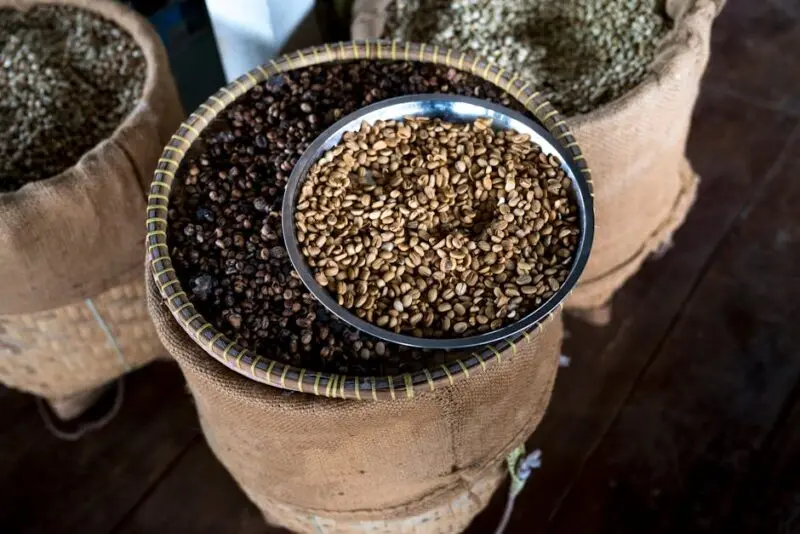
Amazon Products for Keeping Squirrels Away
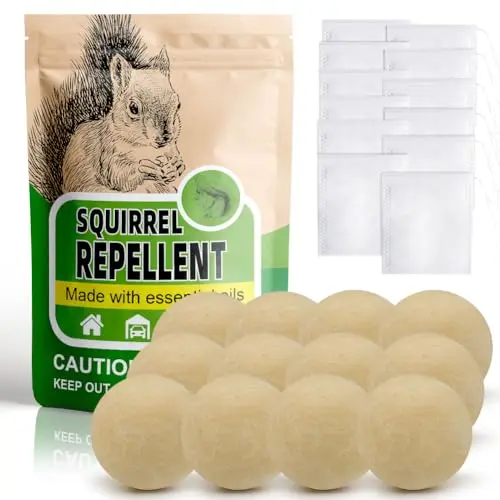
If you’re a coffee lover, using coffee grounds to deter pesky squirrels might just be the perfect solution for your garden troubles. While some people swear by this method, results can vary, and it’s essential to remember that nature has its own rules. It might take a bit of trial and error to see how effective it can be in your specific situation. Nonetheless, repurposing those used coffee grounds is an eco-friendly way to keep your yard looking its best while reducing waste.
Stay Connected for More Tips!
If you enjoyed learning about using coffee grounds to keep squirrels at bay and want to discover more gardening hacks, be sure to stay connected! Follow us on Instagram for all the latest tips, tricks, and creative ideas you can apply in your outdoor space. Remember, gardening is a journey full of experimentation and fun, so let’s navigate it together!