
Grafted lime trees typically begin bearing fruit in about 2 to 3 years after planting, while seed-grown trees commonly require 5 to 10 years or more before producing reliable crops. This distinction matters because propagation method, variety, and local care determine when you can expect usable fruit and how much early maintenance will affect long-term yield.
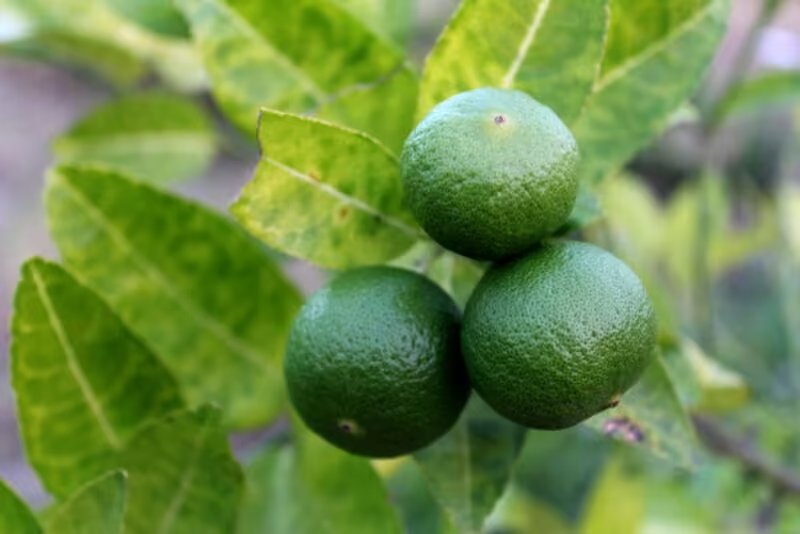
Propagation Method and Expected First Fruit
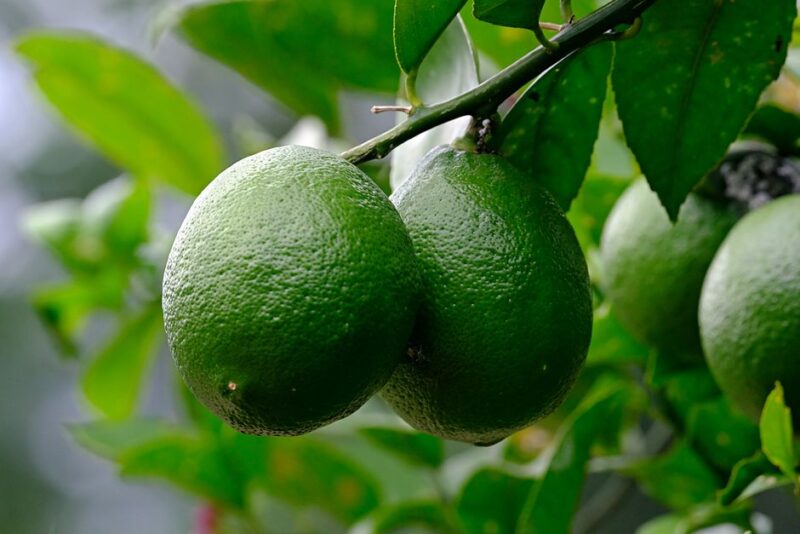
Nursery grafted or budded trees place a mature scion on a chosen rootstock and usually flower and set fruit within 2 to 3 years under good conditions. Seed-grown trees remain in a juvenile phase far longer and often do not produce usable crops until year 5 or later. Container-grown grafted trees follow the grafted timetable if they receive strong light, routine feeding and periodic root management.
Five Practical Factors That Change Timing
- Propagation. Grafted stock shortens the juvenile phase; seedlings add years and introduce genetic unpredictability.
- Variety. Persian/Tahiti and common key limes generally return fruit sooner than specialty types such as finger limes, which often need more time to reach commercial yields.
- Light and Location. Aim for 6 to 8 hours of direct sun; insufficient light delays flowering and often produces sparse, weakly set fruit.
- Nutrition and Water. Even soil moisture and a citrus-formulated fertilizer on the label schedule promote regular flowering; both drought spikes and waterlogging trigger blossom drop.
- Temperature and Frost. Frost during bloom kills flowers. In climates with freeze risk, move potted trees indoors or provide frost cloths during vulnerable periods.
Variety-Specific Timelines and Fruit Maturation
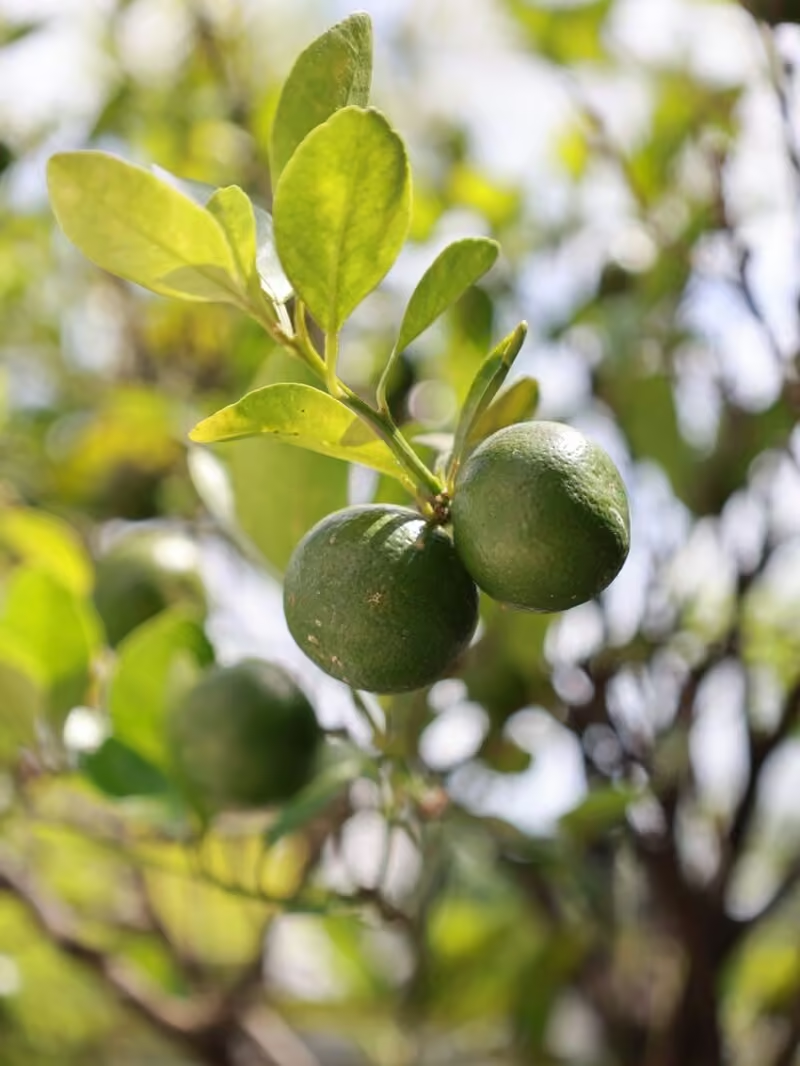
Flower-to-harvest intervals for limes generally run from roughly 5 to 9 months, so early flowering still requires patience before harvest. Grafted key lime (Citrus aurantifolia) and Persian/Tahiti (Citrus latifolia) trees typically start fruiting in year 2 or 3. Finger limes require a longer ramp-up; grafted specimens may flower by year 3 but often reach useful yields in years 4 to 5. For region-specific fruiting windows and establishment timelines for Tahiti limes consult the UF/IFAS guidance on growing Tahiti limes: Growing 'Tahiti' Limes in the Home Landscape. For grafted key lime timelines and typical home-garden expectations see UF/IFAS recommendations for key lime production: UF/IFAS Key Lime Growing in the Florida Home Landscape.
Container Culture: What Changes and What Stays the Same
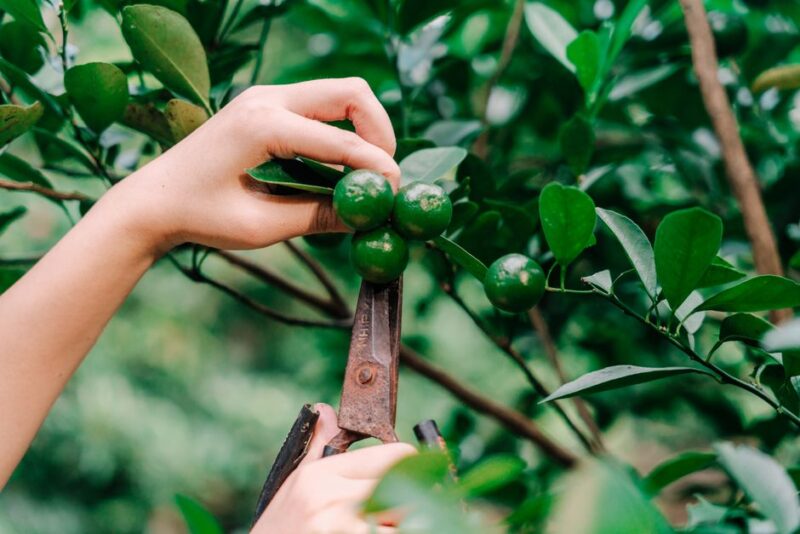
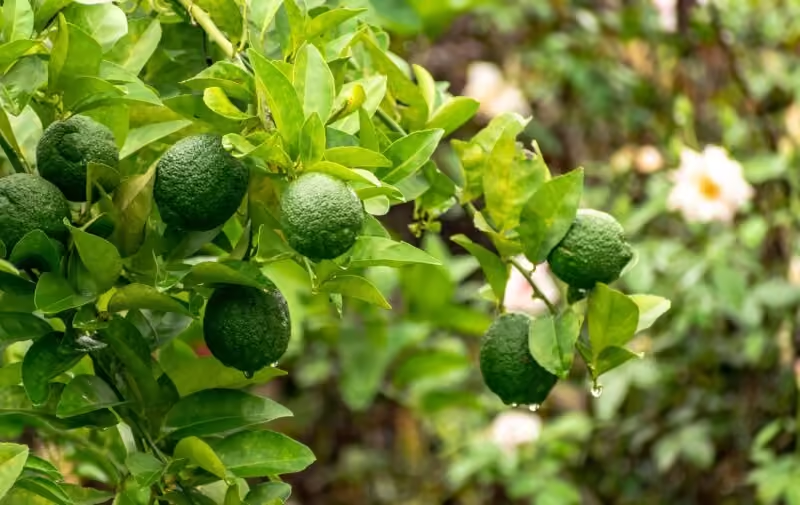
In containers, root volume and light become the limiting factors. Use a free-draining citrus potting mix and choose a pot that allows two to three years of root expansion before repotting. Manage vigor with root pruning at repotting and keep a consistent feeding schedule; container limes typically begin fruiting on the same 2 to 4 year timetable as grafted ground-planted trees when light and feeding are adequate.
Diagnosing a Nonbearing Young Tree
- Shade. Less than six hours of direct sun is the most common cause of delayed fruiting.
- Poor drainage or irregular irrigation. Maintain even moisture; allow the top inch to dry between waterings for potted trees.
- Nutrient shortfalls. A balanced, label-directed citrus fertilizer reduces blossom drop; correct magnesium and potassium deficiencies if leaves show interveinal chlorosis or small fruit set.
- Cold impact. Protect blooms from cold with covers or by moving containers indoors during predicted freezes.
- Limited pollination. Outdoors, insects will usually pollinate adequately; indoor trees benefit from hand pollination with a small brush during peak bloom.
Practical Care Steps to Speed Reliable Fruit
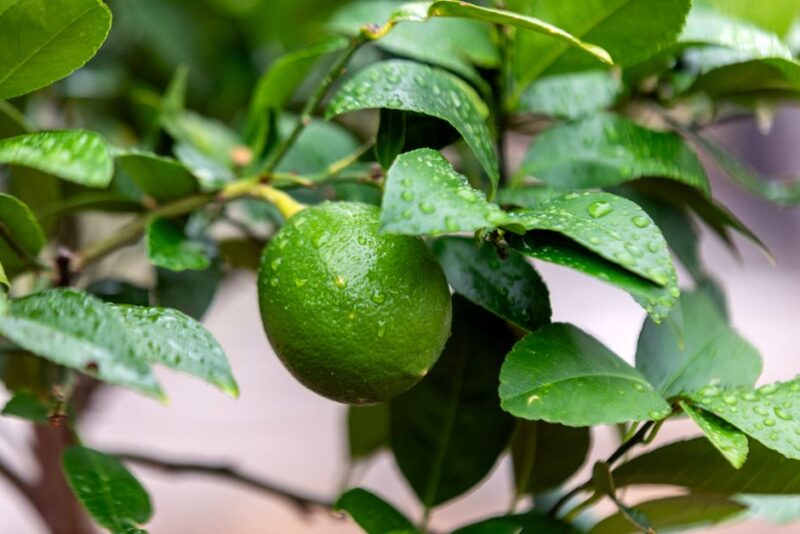
- Purchase grafted nursery stock that names the cultivar on the label to reduce juvenile delay.
- Site trees in full sun and prepare well-drained soil; amend heavy soil with coarse sand or organic matter to improve drainage.
- Water deeply and regularly during the growing season, reducing frequency in winter where appropriate for the variety and climate.
- Feed with a citrus-formulated fertilizer on the label schedule; increase frequency for container plants and reduce when growth slows in cooler months.
- Thin excess blooms if the tree sets more flowers than it can support; this prevents small, shriveled fruit and conserves resources for the remaining crop.
What to Check When Buying a Tree
- Label information that specifies cultivar and indicates grafted or budded stock.
- Sound graft union with no scion dieback and an upright, healthy leader.
- Root condition for container stock; avoid heavily root-bound specimens with circling roots.
- Evidence of flowering or small fruit, which signals the tree has exited the juvenile phase and will bear sooner.
Related Resources From Architecture Adrenaline
For container citrus culture and pruning techniques see the guidance on growing citrus in pots at the Eureka Lemon Tree page. For culinary and foliage uses of lime and how leaf quality reflects tree health refer to the piece on Lime Tree Leaves: Understanding Their Benefits and Uses. For options that combine multiple fruit species on one rootstock and planting strategies in tight yards consult the Fruit Salad Trees article.
Summary Judgment
Choose grafted nursery stock for a predictable 2 to 3 year window to first fruit; expect seed-grown trees to take multiple additional years. Control the factors you can: light, drainage, frost protection and a citrus-specific feeding plan. Those interventions produce both earlier yields and healthier trees that require less corrective work later.
Related Video
When it comes to lime trees, patience is essential. Typically, a lime tree will take about three to four years to start producing fruit after planting. Factors such as the tree's variety, care, and climate can influence this timeline. Ensuring proper watering, sunlight, and nutrients will help foster healthy growth and fruit development.
More from Architecture Adrenaline
For those interested in more posts about gardening and related topics, check out the site's social channels. You can find additional content on our Instagram that may offer inspiration and tips for your own gardening projects.