
Cut a ripe dragon fruit cleanly by halving it and scooping, peeling and cubing, or halving and using a melon baller; these three methods save flesh and create uniform pieces for bowls, salads, freezing, or garnishes. The instructions below give exact tool choices, quick technique steps, storage timing, and links to university guidance for handling and ripeness.
Choosing Ripe Pitaya
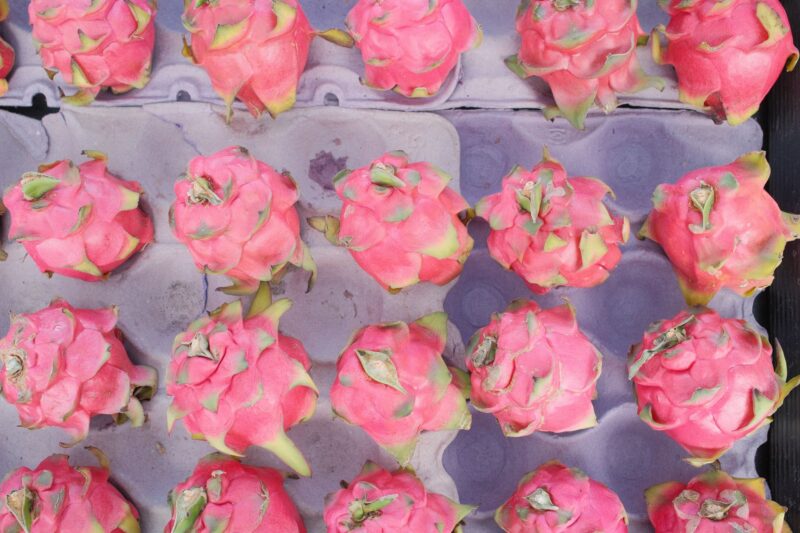
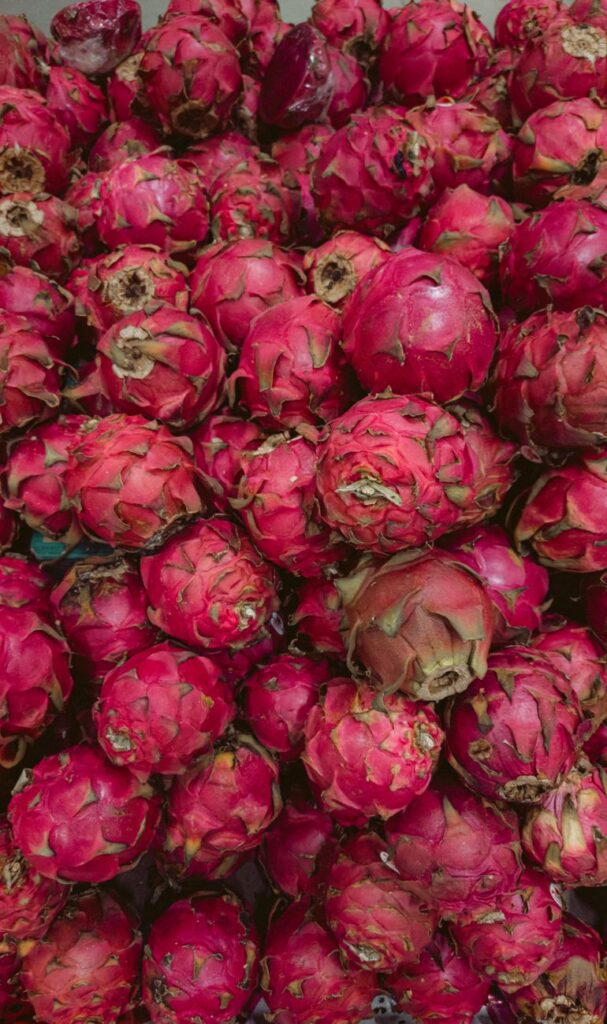
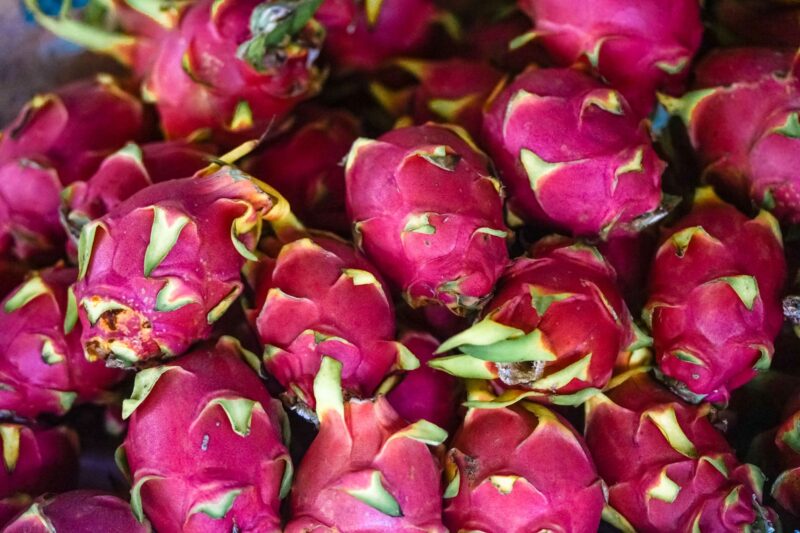
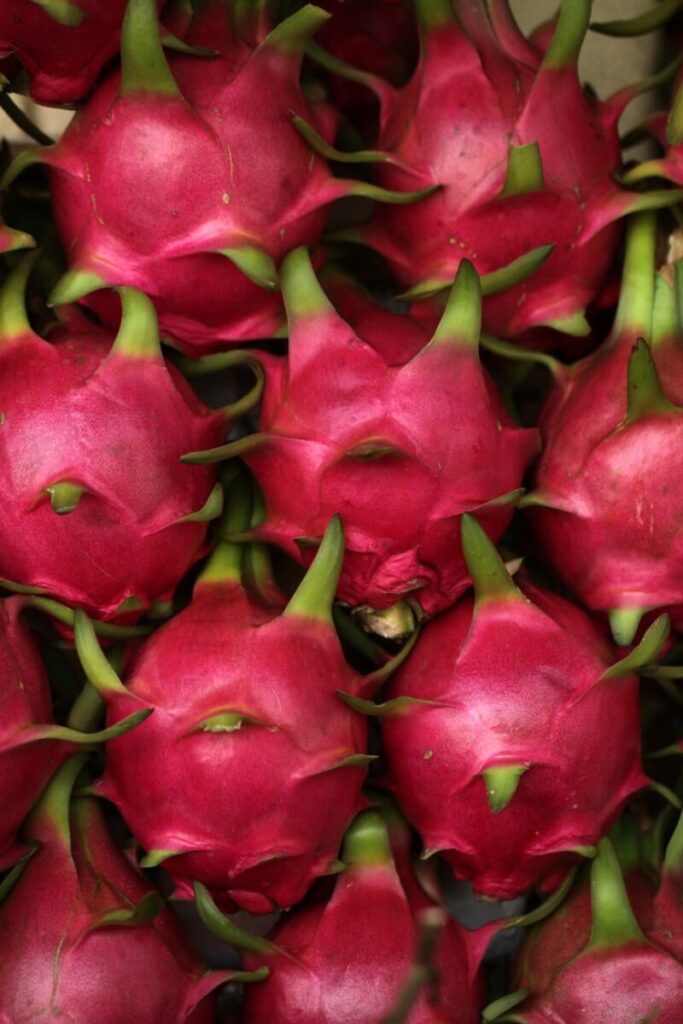
Pick fruit with full color and a slight give when pressed; red- and pink-skinned types should be evenly colored and free of large dark patches, while yellow varieties will be vivid yellow with only tiny browning at bract tips. Dragon fruit ripens little after harvest, so buy one that feels slightly yielding rather than rock hard to avoid under-ripe flesh.
Three Practical Cutting Methods
Work on a stable cutting board and use a clean, sharp blade. Use these short procedures to match the final use and reduce waste.
- Halve and Scoop. Slice lengthwise from stem to base with a 6- to 8-inch chef knife, open the halves, and scoop the flesh with a spoon. Use immediately in bowls or serve in the shell for presentation.
- Peel, Slice, Cube. Trim the ends, stand the fruit on an end, slide a paring knife between rind and flesh to separate skin, then slice into 1/4- to 1/2-inch planks and cube. This produces uniform pieces for salads or single-layer freezing.
- Discs and Balled Spheres. Cut crosswise into discs for platters or halve and use a melon baller to make spheres for cocktails and plated desserts. Pre-scoop and chill spheres to avoid cracking from handling.
Quick Step-by-Step Cutting Reference
For a concise visual method of halving and removing flesh, follow this three-step approach: wash the fruit, slice in half, then scoop or peel depending on the intended shape. The procedure is summarized in an accessible how-to guide that illustrates the halving-and-scoop method with photos and short captions for each step: How to cut a dragon fruit in 3 easy steps.
Tools and Exact Knife Choices
Start with a 6- to 8-inch chef knife for the initial cut and switch to a 3- to 4-inch paring knife for peeling and trimming. Long confident strokes make cleaner halves; avoid serrated blades for final surface slices to prevent tearing the flesh. If you want a single-purpose gadget for scooping or shaping, consider a basic dragon fruit cutter for consistent scoops.
How Yellow Pitaya Changes Technique
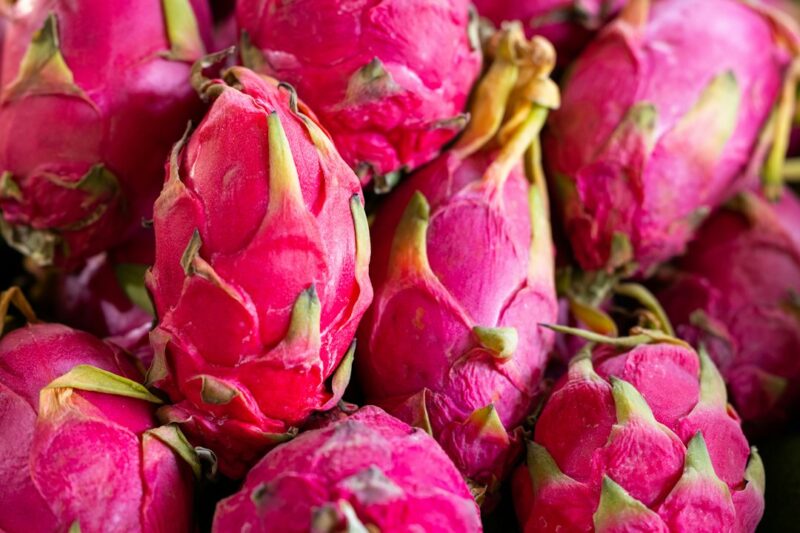
Yellow pitaya typically has thinner, slightly spiny skin and higher natural sweetness. Its flesh can tear more easily near the rind, so support the half with one hand while scooping. Taste a small piece before adding sweeteners; many yellow varieties need no added sugar.
Storage, Freezing, and Shelf-Life Details
Refrigerate cut dragon fruit in an airtight container and use within 2 to 3 days to preserve texture. For smoothie use or longer storage, peel, cut into 1/2-inch cubes, freeze in a single layer on a parchment-lined tray, then transfer to a zipper bag; frozen pitaya maintains good quality for about one month and the single-layer freeze prevents large clumps.
Presentation and Culinary Uses
Use 1/2-inch cubes for fruit salads, melon-balled spheres for yogurt or cocktail garnishes, and frozen cubes or puree in smoothies for vivid color without added ice. For savory recipes, finely diced fruit works in ceviche or salsa where acid, salt, and herbs provide the dominant flavor.
Prep Safety and Common Mistakes
- Wash the skin under running water and dry before cutting to avoid transferring soil or microbes when scooping.
- Keep the cutting board stable and dry; slipperiness is the main cause of accidental slips.
- Do not wait for over-softness; cut while the skin still has slight give to avoid mealy, waterlogged flesh.
Varieties, Edible Parts, and Flesh Color
Different pitaya varieties have white, red, or magenta flesh and slightly different seed densities; these differences affect appearance and sweetness. An overview of cultivation, variety distinctions, and edible uses explains why flesh color varies and which varieties yield firmer flesh for slicing: Dragon fruit: cultivation, varieties, and uses.
Ripeness Indicators and Handling Guidance
Because dragon fruit changes little after harvest, ripeness is assessed by color and give. University extension guidance provides concrete ripeness indicators and handling advice that inform when to cut and how to avoid common preparation mistakes: HS303 Pitaya (Dragonfruit) Growing in the Florida Home Landscape and Dragon fruit preparation and handling (UF/IFAS extension).
Postharvest Handling and Timing for Cutting
For practical postharvest steps such as optimum storage temperature and timing before cutting, consult the produce factsheet that summarizes handling and storage recommendations from a postharvest research center: Dragon fruit, Postharvest handling basics (UC Davis). Follow those washing and cooling steps to keep cut fruit safe and to preserve texture for the two- to three-day refrigerated window.
Tools and Cutting Surfaces Worth Considering
Use a non-slip cutting board that resists staining and odors. For precise hobby or presentation work, the site provides a review of small knives and cutting mats that cross over to kitchen uses when buyers need controlled slicing and protection for delicate blades: best model-making knife for precise cutting and a practical guide to durable cutting surfaces: best cutting mat for accurate work.
Further Practical Steps and an Expanded How-To
For a closely related, stepwise kitchen procedure that expands on trimming, scooping, and dicing while emphasizing safe handling and storage, see the site’s detailed how-to that includes photos and safety notes: How to Cut Dragon Fruit Like a Pro.
Our Product Pick
German Stainless Steel, Knife Block Set with Built in Sharpener, is one option to look at if you want a ready-made tool for this job. As an Amazon Associate, we earn from qualifying purchases.
Related Video
Learning how to cut a dragon fruit can enhance your culinary skills and add variety to your diet. By following the simple steps outlined, you can enjoy this unique fruit with minimal effort. Remember to handle the dragon fruit with care to preserve its flavor and texture.
More from Architecture Adrenaline
For more posts like this, check out our social channels for the latest updates and tips. Explore our content on Instagram to discover more engaging ideas and inspirations.