
Yes. Growing Monstera in water will succeed long-term if you manage nutrients, dissolved oxygen, and cleanliness: water-grown Monsteras produce fine, translucent roots that absorb dissolved nutrients efficiently, but they need regular feeding and aeration to avoid slowed growth or root decline.
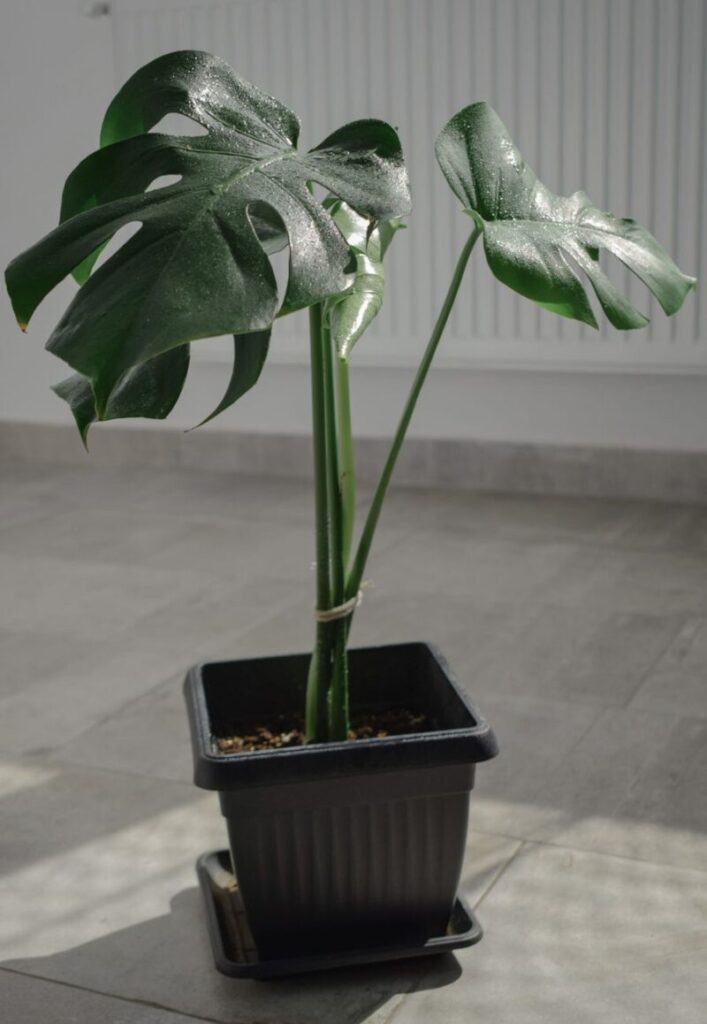
Why Water Culture Works
Monstera root tissue adapts to liquid by producing thin, feathery roots that exchange gases and take up dissolved ions more readily than dense soil roots. That root form supports steady leaf production when nutrient levels and oxygen are stable, but plants in water usually develop fenestrations more slowly than soil-grown specimens because root-zone microbes and mineral reserves differ from potting mix.
Expect tradeoffs: easier visual monitoring and cleaner propagation versus more hands-on nutrient dosing and occasional aeration to prevent anaerobic conditions.
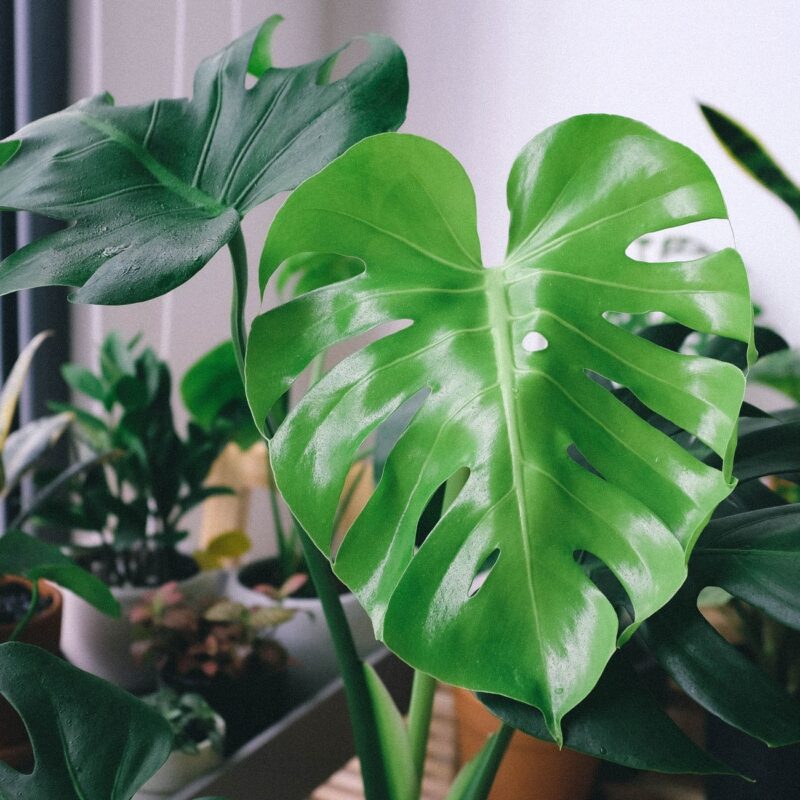
Four Simple Steps for Success
Follow these concise actions to establish a reliable water-grown Monstera.
- Take a cutting that includes a node and at least one aerial root if available; nodes contain the meristematic tissue required to form new roots. For more on cuttings and alternative methods, see Swiss Cheese Plant Propagation.
- Use filtered or dechlorinated water and keep the node submerged while leaves remain dry. Place the cutting in bright, indirect light to prevent algae growth on the reservoir and to stimulate root formation.
- Start feeding when roots measure 2-4 inches. Use a hydroponic liquid fertilizer at about half the label strength, then adjust upward gradually based on growth and leaf color.
- Maintain oxygenation with partial water changes and, for larger containers, a small air stone. For a beginner supply bundle, consider a Monstera propagation kit on Amazon that includes clear containers and basic cutting tools for water propagation.
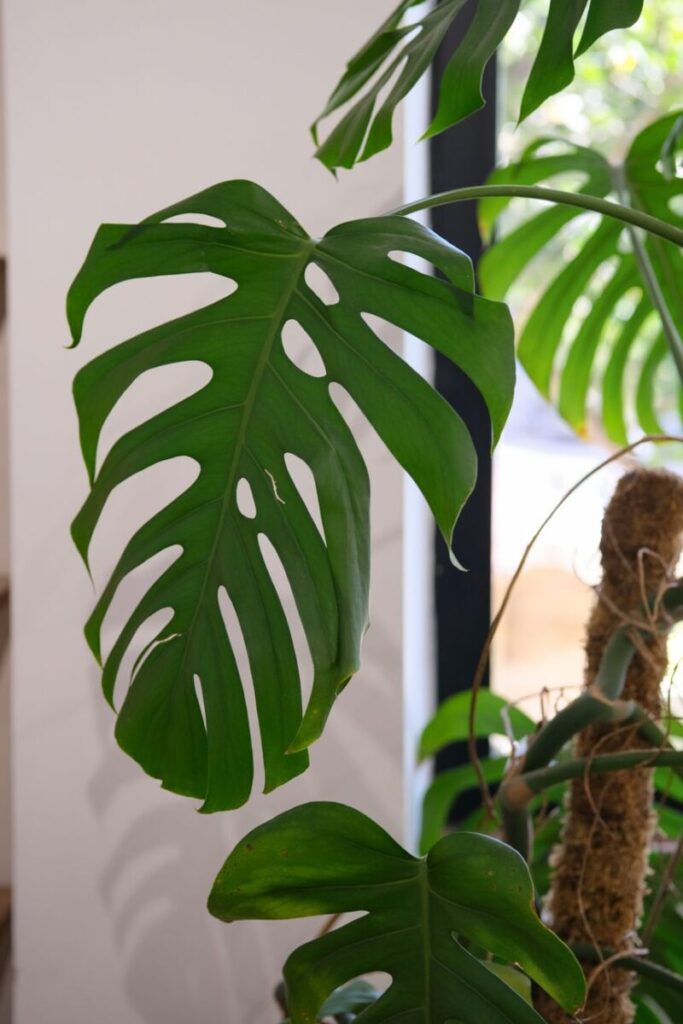
Container Choice and Placement
Choose a vase sized to the cutting so water volume buffers temperature and nutrient swings; 2 liters is a practical minimum for a medium cutting. Use clear glass so you can monitor root health, and prevent algae by masking the reservoir with an opaque outer container or placing the vase out of direct sun.
Position the vase in bright, indirect light and avoid temperatures above 75°F for prolonged periods, which lower dissolved oxygen and increase pathogen risk.
Nutrients, PH and Aeration
Plain water lacks N-P-K and micronutrients. Use a liquid fertilizer formulated for hydroponics and begin at half strength; increase carefully if leaves remain pale or growth is slow. Maintain reservoir pH near neutral to slightly acidic for reliable micronutrient uptake.
Provide dissolved oxygen with weekly partial changes and an air stone for vessels larger than 3 liters. If roots smell sour or turn brown and soft, act immediately: partial water change, trim rotten tissue, and add aeration or move the vessel to a cooler spot.
Maintenance Schedule and Practical Table
Adjust intervals by water temperature and container size. Cooler water and larger volumes require less frequent attention.
| Task | Frequency | Reason |
|---|---|---|
| Partial water change (20-30%) | Weekly | Limits salt buildup and refreshes dissolved oxygen |
| Full water replacement and container rinse | Every 2-4 weeks | Prevents algae and removes organic slime |
| Add hydroponic nutrient | Begin at week 4, then with each refill | Supplies absent macro and micronutrients |
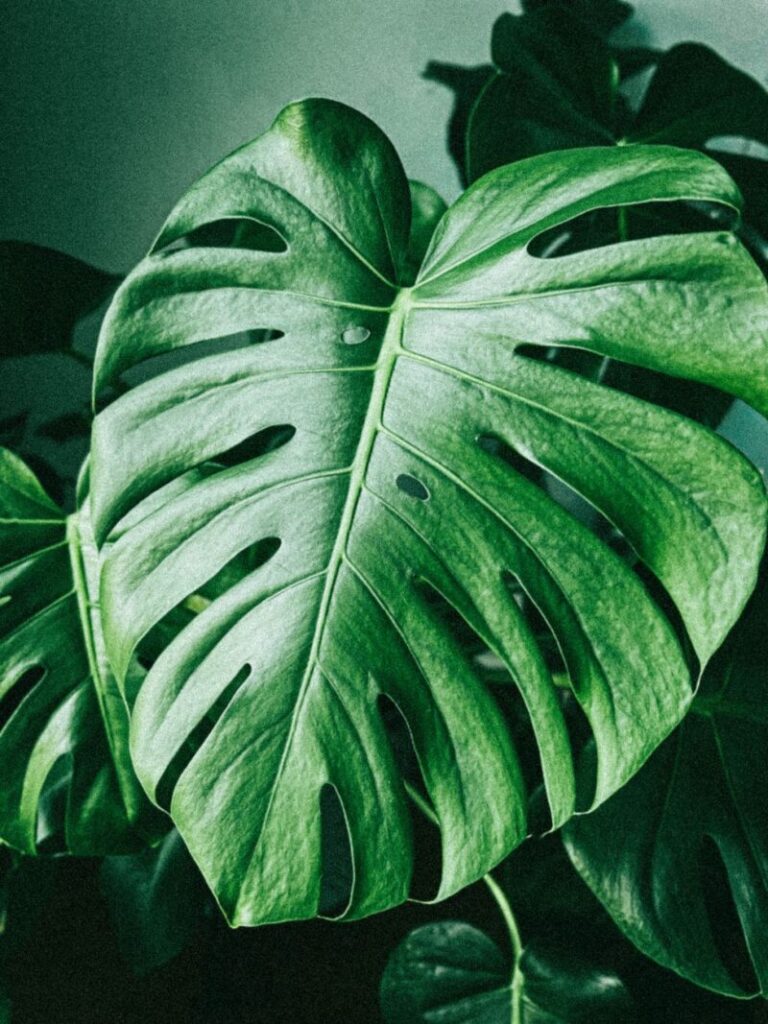
Root Health and Aeration Details
Healthy water roots are pale, firm and featherlike. Brown, mushy or odorous roots indicate low oxygen or pathogen activity; treat by trimming affected roots with sterilized shears, performing a major water replacement, and adding aeration.
In small vases, increase the frequency of partial changes rather than relying solely on aeration equipment; frequent turnover keeps oxygen levels higher in low-volume systems.
Troubleshooting and Targeted Fixes
Match the symptom to the simplest corrective action.
- Algae on glass. Reduce light on the reservoir, cover the vase, or clean the glass with a soft brush during a water change.
- Yellow leaves with healthy roots. Increase nutrient concentration slowly and verify pH is near neutral.
- Soft brown roots. Replace most of the water immediately, trim rotten tissue, and add aeration or move to a cooler location.
- Small leaves and delayed fenestration. Increase consistent nutrient dosing, ensure safe light levels, or accept smaller growth as a water-culture tradeoff.
Transitioning Between Media
Transitions stress roots because water roots tolerate constant moisture and high oxygen dissolved in liquid, while soil roots operate in a dynamic microbial environment with lower oxygen per unit volume. For water-to-soil transitions, encourage secondary root branching first by potting into a damp inert medium such as LECA or coarse mix, allow small soil-compatible roots to form for several weeks, then transfer to a well-draining potting mix. For soil-to-water propagation, take a cutting with a clean node rather than moving an entire soil-rooted plant into a vase.
Step-by-step propagation timelines and transplant guidance are available from extension sources; see the University of Minnesota Extension: Propagating monstera deliciosa for water-rooting timelines and transplant recommendations.
Propagation Principles and Lighting
Prepare cuttings with a node and minimize leaf surface area to reduce transpiration while roots form. Rooting succeeds fastest in bright, indirect light; direct sun overheats shallow water reservoirs and promotes algae. For general propagation technique and the recommended sequence for preparing cuttings, transitioning roots from water to soil, and managing light levels, see Kew: How to propagate houseplants.
Conclusion and Practical Judgment
Water culture is a viable long-term strategy for Monstera when you treat the vase as a small hydroponic system: control nutrients, maintain dissolved oxygen, clean the reservoir, and monitor root condition. For beginners, follow the four-step routine above and refer to the linked propagation and extension resources for timelines and acclimation details; if consistent maintenance is impractical, soil or LECA will usually require less hands-on nutrient management while producing faster fenestration.
Related Video
Growing monstera in water is a straightforward process that can lead to impressive results. It requires consistent monitoring and care, but with the right conditions, your monstera can thrive. Ensure that the water is changed regularly and that the cuttings receive adequate light to support healthy growth.
More from Architecture Adrenaline
For more posts like this, check out our social channels. You can find us on Instagram for additional tips and inspiration on plant care and more.