
Fresh stevia at home gives an on-demand, zero-calorie sweetener and avoids last-minute pantry runs. This guide answers how to grow Stevia rebaudiana at home in five seasonal steps, with clear propagation choices, harvest timing that preserves sweetness, drying methods for storage, and practical overwintering options for cool climates.
Choose Plants and Propagation Method
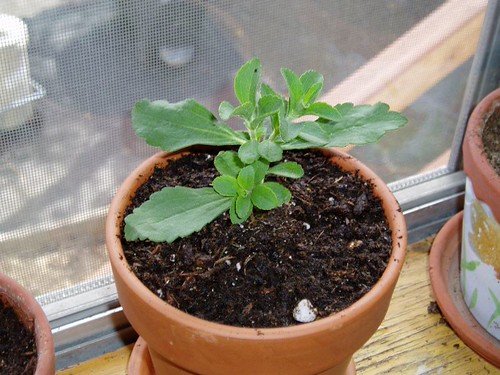
For predictable sweetness, start from a rooted plant or take stem cuttings; seeds are slow and variable. Select plants with firm stems, deep green leaves and no yellowing; avoid pot-bound specimens that show stunted growth.
- Cuttings. Take 2.5 to 4 inch softwood tips, remove lower leaves, insert into a moist soilless mix and cover with a humidity dome or plastic until roots form in 2-3 weeks.
- Seed option. Sow indoors 6-10 weeks before last frost under consistent bottom heat and bright light; expect uneven germination and plan to thin heavily.
Optional supplies for faster starts include seed trays, rooting hormone and a small humidity dome; see a practical starter kit like stevia plant growing kit on Amazon to find appropriate trays and domes.
Pick the Right Site or Pot
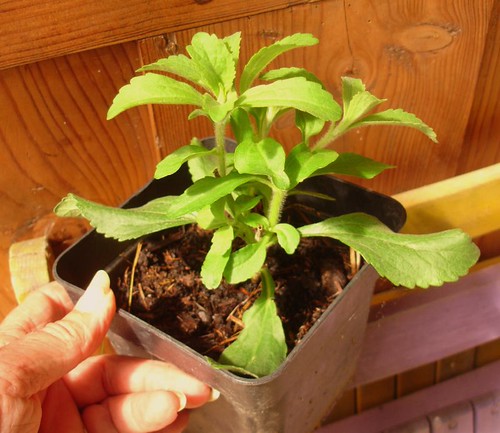
Stevia needs at least six hours of direct sun and a warm root environment; in summer heat provide afternoon shade to prevent leaf scorch. In cool climates use containers so plants move indoors before frost.
For container culture use a 2-3 gallon pot per mature plant with at least one 3/4 inch drainage hole. A loamy potting mix amended with 10-20 percent coarse grit or perlite improves drainage; avoid plain garden clay unless you significantly amend it.
For indoor container techniques and light options consult indoor herb garden ideas to freshen up your space, which details container choices and grow-light recommendations that translate directly to stevia culture.
Planting and In-Season Care
Space transplants 12 to 18 inches apart to maximize airflow and branching. When plants reach 6 to 8 inches, pinch the terminal 1 inch to force lateral shoots and increase leaf yield.
Water so the soil stays evenly moist but not waterlogged; allow the top inch to dry between waterings. Fertilize lightly: a balanced 10-10-10 at quarter strength every 4-6 weeks supports steady growth without diluting sweetness. Heavy nitrogen applied late in the season can reduce perceived sweetness.
Harvesting and Processing Leaves
Harvest leaves before or at the first flower for the best sweetness; once plants bloom the steviol glycoside balance shifts and bitterness can increase. For continuous supply, pinch outer leaves regularly; for bulk storage perform a larger harvest in late summer.
- Fresh use. Pick whole outer leaves in the morning when essential compounds peak and place directly into tea or smoothies.
- Drying. Bundle stems and hang upside down in a ventilated shaded spot for 5-10 days, or use a dehydrator on the lowest setting until leaves are crisp. For step-by-step herb-drying methods see harvesting thyme: essential tips for home gardeners, which explains air-drying techniques that apply to stevia.
- Storage. Keep dried leaves whole in airtight jars away from light; grind small batches to preserve volatile sweetness.
Overwintering and Renewal
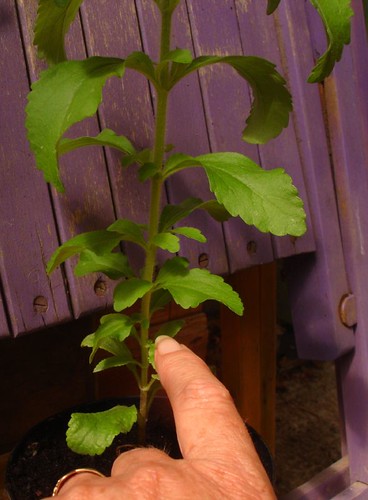
Stevia is reliably perennial only in USDA zones 9 to 11; in those zones plants can remain in place. In colder zones treat stevia as an annual, or move potted plants indoors before the first frost and maintain at cooler, bright conditions (50-60°F) with reduced watering.
If you overwinter plants indoors, reduce feeding and allow a brief dormancy-like slowdown; resume normal light and feeding once daylength and temperatures increase in spring. Taking cuttings in late summer creates ready-to-plant stock for the following season.
Common Problems and Simple Fixes
Most failures come from poor drainage and overwatering; soggy crowns lead to root rot. If the crown stays wet, repot into a free-draining mix with added grit and raise the pot on feet to improve air circulation under the container.
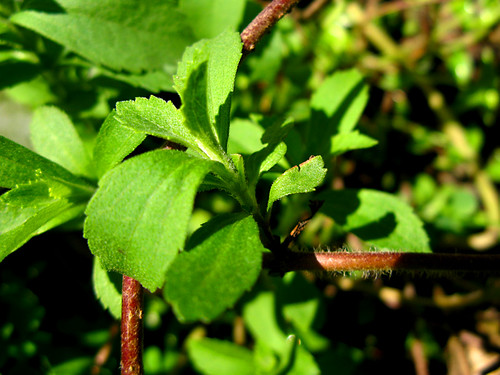
Inspect lower leaf undersides regularly for aphids and spider mites. A firm spray of water will dislodge small populations; use insecticidal soap for persistent infestations and recheck weekly until populations drop.
Practical Table: Quick Growing Reference
| Item | Recommendation |
|---|---|
| Light | 6+ hours sun; provide afternoon shade in regions above 90°F |
| Soil | Rich, well-drained loam or potting mix with 10-20% grit/perlite |
| Water | Evenly moist; allow top 1 inch to dry between waterings |
Varieties, Sources, and Buying Advice
Named cultivars and nursery-grown plants provide the most consistent sweetness because they are cloned from known parents. When ordering online check seller notes for cultivar name and propagation method; a cultivar labeled for high Reb A content will taste sweeter than generic seed strains.
For tighter, space-efficient plantings and layout ideas that suit small patios or balconies, see indoor vertical herb garden guidance, which adapts well to grouping stevia with other sun-loving container herbs.
How Growing Choices Affect Sweetness
Sweetness correlates with leaf age at harvest and the absence of reproductive growth; harvest morning leaves before flowers appear for the highest steviol glycoside concentration. Avoid late-season high-nitrogen feed that increases leaf mass while diluting sweet compounds.
Commercial selections focus on Reb A and Reb M levels, but at home the most effective controls are harvest timing and preventing early flowering through regular pinching.
Useful Regional Notes
In cool temperate regions growers commonly replant annually or overwinter indoors; container culture is the simplest method for moving plants indoors before frost. For container-specific techniques, drainage details and pot sizing see the site’s container herb guides such as growing cilantro in pots, which outlines pot size and watering practices that are directly applicable to stevia.
Fast Care Checklist
- Start: rooted cuttings or small plants for speed and uniformity.
- Site: full sun, fertile free-draining soil or container with raised drainage.
- Prune: pinch tips at 6-8 inches to promote branching and delay flowering.
- Harvest: pick before or at first bloom for best sweetness; dry promptly for storage.
- Winter: move pots indoors before frost or root cuttings for spring replacements.
For practical, region-aware growing details, including light, soil preferences, propagation techniques and pest considerations, consult the North Carolina Extension plant toolbox on Stevia rebaudiana: Stevia rebaudiana - NC State Extension Gardener Plant Toolbox.
Growing a stevia plant at home can be a straightforward and rewarding endeavor. With the proper care, you can enjoy fresh stevia leaves for sweetening your beverages and dishes. Start by selecting a suitable container, ensuring it has good drainage, and place it in a location where it receives plenty of sunlight. Regular watering and occasional feeding will help keep the plant healthy. Harvest the leaves as needed, and you'll have a natural sweetener right at your fingertips.
More from Architecture Adrenaline
For further tips on gardening and cultivating various plants, check out our social channels for more posts like this. Follow us on Instagram to stay updated on our latest content.