
Yes. Inspection costs in New York City vary widely; expect a single-family residential tune-up to average about $338 while full commercial system inspections typically start near $600 and commonly reach $1,200 for multi-zone or rooftop systems.
Typical Price Ranges
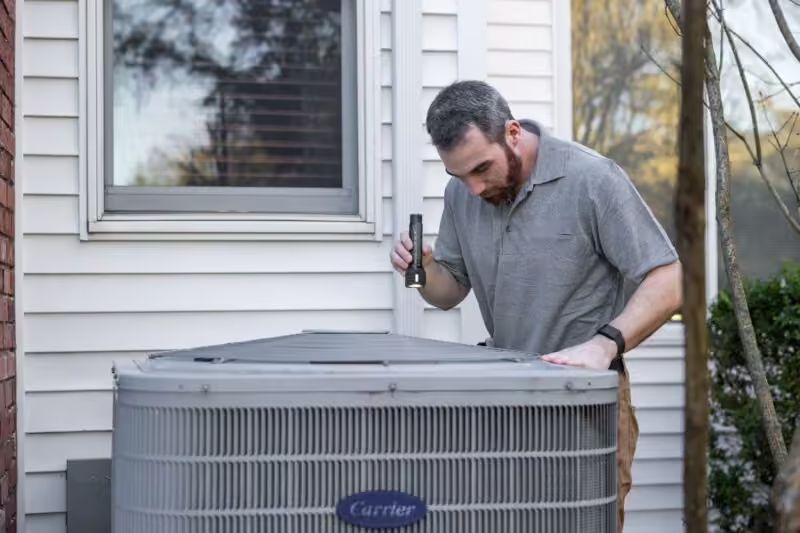
Published residential ranges in the market cluster between $169 and $563 per visit, with routine single-system service calls commonly near $338. Commercial full-system inspections and commissioning reports begin around $600 and rise with system complexity, access difficulty, and required test instrumentation.
For a city-focused benchmark and additional context about how building type alters cost estimates, see the Architecture Adrenaline cost overview linked on the site.
How Much Does An Hvac Inspection Cost
Common Line-Item Costs
Quotes separate into discreet billable items. Confirm each line so you compare like for like instead of total price only.
- Diagnostic or service call. Often $150-$250; ask whether it is credited to repairs.
- Labor. Certified technician time for complex tasks commonly invoices at $180-$300 per hour or as flat rates for specific deliverables.
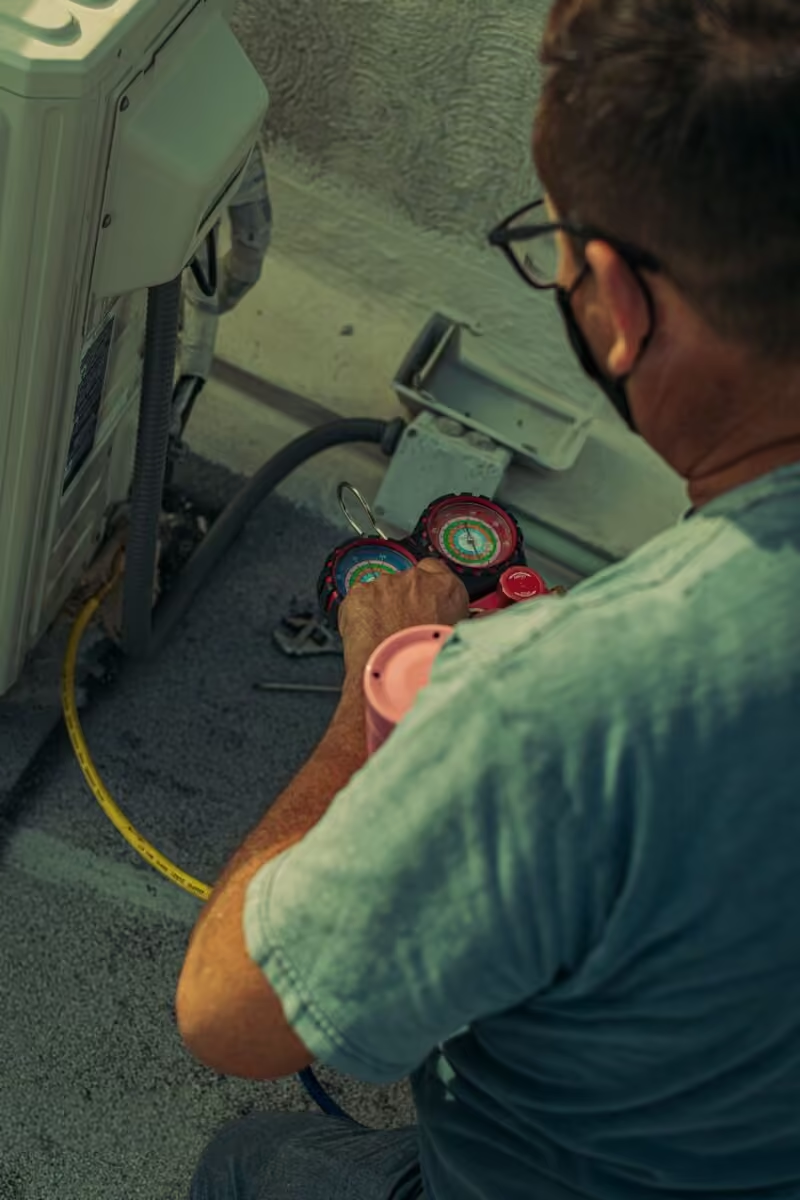
- Refrigerant. Expect per-pound charges in the $90-$150 range depending on refrigerant type and recovery/disposal requirements.
- Drain and coil work. Coil cleanings and condensate flushes typically run $180-$300 depending on access and need for scaffolding or rooftop work.
- Report, certification and filing. DOB filings, commissioning paperwork, and third-party certifications are billed separately and can materially increase a compliance job.
How Local Law 152 Affects Budgeting
Local Law 152 adds procedural and cost layers for buildings with regulated gas piping: licensed inspectors or plumbers must perform the checks and a GPS2 filing or similar DOB submission is required when inspections are completed. The law does not fix fees, but expect extra line items for licensed labor, corrective repairs found during inspection, and DOB filing time or third-party submission fees.
For official procedural and filing details consult the NYC Buildings guidance on Local Law 152.
Commercial Maintenance Contracts Compared With One-Off Inspections
Maintenance contracts shift cost risk from emergency repairs to predictable periodic expense and documented service history. A light annual plan for a single small system can start around $180-$420; commercial contracts with quarterly visits commonly exceed $1,000 per site and scale by unit count and response-time guarantees.
If you manage multiple systems or rental units, a contract that includes written reports and DOB-ready documentation is often cheaper than repeated one-off inspections plus reactive repairs.
HVAC maintenance and repair pricing
What a Useful Inspection Report Contains
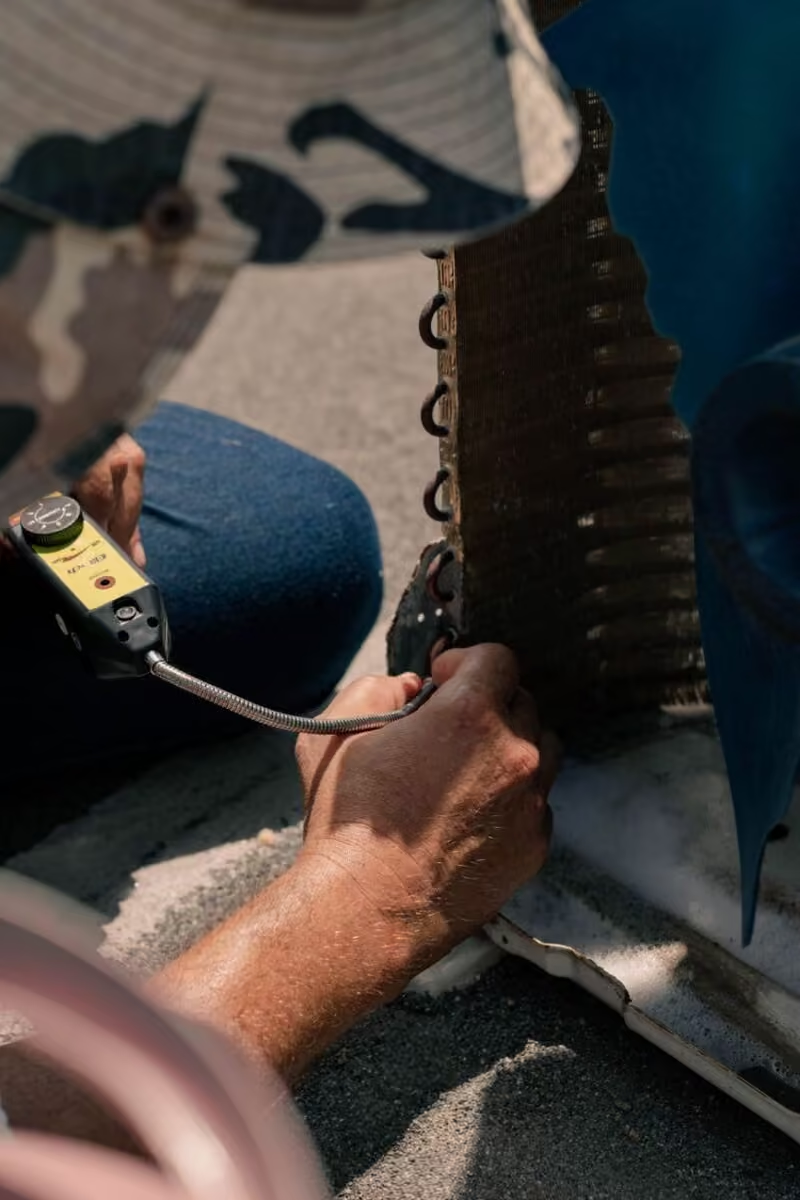
A useful report names the exact equipment by make and model, notes visible component condition, records refrigerant charge, documents basic electrical measurements, and lists observed airflow or static-pressure results when practical. Reports intended for DOB compliance must include measured test values and the signature of the licensed professional who performed the inspection.
For maintenance-driven inspections add a clear cost estimate for each recommended repair and an expected life-extension estimate for labor versus replacement decisions.
Air Duct and Mold Assessment Scope
Duct inspections and HVAC mold assessments are separate services with distinct deliverables. A proper mold-scope must specify sampling method, number and location of samples, whether clearance testing is included after remediation, and how results will be reported. Require those scope items in writing before work begins to avoid surprise sampling or remediation charges.
How to Read and Compare Written Quotes
Compare scopes, not only totals. Use this checklist when evaluating estimates:
- Is the diagnostic fee separate and credited against repairs?
- Does the price include travel, parts, permits or only labor?
- Are refrigerant, recovery, and disposal listed per pound or as a lump sum?
- Who will sign and file any required DOB or LL152 paperwork and what is that filing fee?
- Are emergency, after-hours and peak-season surcharges documented?
Hidden Urban Cost Drivers
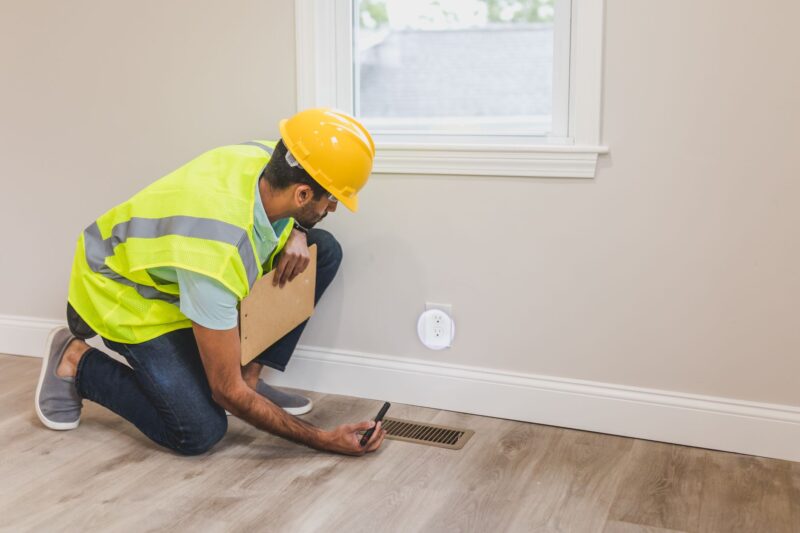
In NYC expect access premiums: rooftop rigging, sidewalk shed coordination, elevator hold time, staged deliveries and parking citations can add labor hours and permit costs. If a job needs a temporary roof hatch, scaffolding, or a sidewalk shed, ask for firm quotes on those items up front.
Vendor Pricing Examples and Benchmarks
Public pricing pages from local firms provide useful benchmarks for budgeting diagnostics, refrigerant, tune-ups and maintenance plans. Use published vendor pages to calibrate expectations, then request a site visit and a flat written quote for the actual building.
When Repair Makes Financial Sense Versus Replacement
If repair costs approach major capital thresholds relative to remaining service life, replacement is usually the better value. In Manhattan and outer borough residential work, typical replacement ranges for a new central system start near $6,500 to $10,500 installed for straightforward single-family projects; multi-zone commercial systems cost materially more based on zone count and ventilation requirements.
Tools, Documentation and Regulatory Record-Keeping
Technicians performing thorough inspections should use basic diagnostic instruments: refrigerant scales, micron gauges, manometers, clamp ammeters, and infrared thermometers. For readers sourcing equipment, explore HVAC inspection tools that fit a technician kit.
Mechanically driven HVAC systems in certain jurisdictions require annual inspection and documented maintenance. For an authoritative standard on required inspection and record keeping for mechanically driven HVAC ventilation systems, reference the Cal/OSHA standard.
Cal/OSHA HVAC ventilation inspection and maintenance requirements (Title 8, Section 5142)
Practical Steps to Reduce Risk and Cost
- Schedule pre-season inspections in spring to avoid peak-summer surcharges and to identify refrigerant leaks before the cooling season.
- Require itemized reports and separate inspection fees from repair quotes so you can compare quotes for the same scope.
- Confirm technicians hold the required licenses and that compliance work will be signed and filed by a licensed professional.
- Obtain at least three written quotes for substantial or commercial work and request references for similar building types.
Related Site Resources
For additional, related reading on inspection and report expectations, see these Architecture Adrenaline posts that expand on maintenance costs and inspection reports for building systems and roof-related access that often affect HVAC scope:
- HVAC maintenance and repair pricing
- Roof inspection cost with report
- How Much Does An Hvac Inspection Cost
Final Judgment
Budget conservatively: use published residential averages as a starting point, add explicit line items for access, refrigerant and filing, and require an itemized report with signed compliance documentation. That approach converts price-shopping into risk management and reduces the chance of surprise charges on NYC jobs subject to Local Law 152 or other DOB requirements.
Related Video
Understanding the cost of HVAC system inspections in NYC can help you budget for necessary maintenance and repairs. Prices may vary based on the complexity of the system and the specific service provider. Regular inspections can extend the life of your equipment and ensure efficient operation, making them a worthwhile investment.
More from Architecture Adrenaline
For more insightful content about HVAC systems and other related topics, check out our social media channels. You can find us on Instagram at Architecture Adrenaline. Engaging with our posts may provide additional tips and advice to help with your building projects.