
Learn how to remove construction adhesive from concrete effectively! Discover top methods for tackling stubborn residues and reclaim your surfaces.
How to remove construction adhesive from concrete can feel like chasing a stubborn stain, but with a clear plan you can reclaim a clean, usable surface. By identifying the adhesive type and choosing approaches that suit the concrete’s finish, you can skip the guesswork and move from residue to ready-to-use space with confidence.
| Method | Best For | Notes |
|---|---|---|
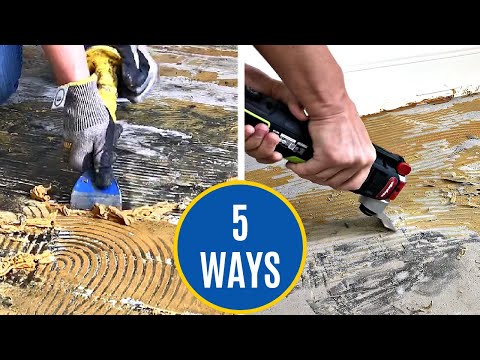
| Scraping / Mechanical removal | Looser, surface-adhered residues; large patches | Keeps chemicals to a minimum; use a dull scraper to avoid gouging |
| Solvent-assisted removal | Thick or stubborn residues; softer adhesives | Test first on a hidden area; ensure ventilation and PPE |
| Heat-assisted removal | Adhesives that soften with warmth; partial residues | Use controlled heat; avoid scorching coatings or finishes |
Understanding what you’re dealing with
Concrete is tough, but construction adhesives are designed to bond long-term, which means removal can require a patient, methodical plan. Key factors to consider:
- Adhesive type: solvent-based products, paneling adhesives, or hot-melt formulations can all respond differently to heat, solvents, or mechanical work.
- Surface condition: fresh spills react more readily than fully cured, deeply embedded residues.
- Curing status: fully cured bonds often demand more effort or stronger methods.
- Substrate context: decorative finishes, epoxy coatings, or sealers may influence which methods preserve the surface.
Assessing the adhesive and choosing a method
Before you dive in, test a small area to see how the surface responds. Look for:
- Easy lift with light scraping: proceed with a dull scraper in small sections.
- Softening with heat: a controlled heat approach can work without damage.
- Need for solvents: ensure ventilation and PPE, and test for color or finish changes.
- Large patches: you may combine methods—loosen with heat or solvents, then finish with scraping.
If you’re shopping for removal products, you can browse options on Amazon: construction adhesive remover tools. Check the reviews and explore options such as solvent-based removers, mechanical scrapers, and grout removers.
Concrete-specific removal methods
Scraping and mechanical removal
This is often the first step, minimizing chemical exposure and mess.
- Tools: dull putty knife, carbide or steel-edged scraper, or stiff blade.
- How: start at the edge of the bonded area and lift the adhesive upward; work in small sections and refresh blades as needed.
- Practical tips: avoid aggressive prying that could scar the concrete; larger flakes may come off if the residue is soft.
Solvent-assisted removal
Solvents can soften or break down many adhesives; use safely and test first.
- Common solvents: acetone, mineral spirits, and denatured alcohol; verify compatibility with the concrete finish.
- Application: dampen a cloth or pad, place on residue for several minutes, then scrape or wipe away.
- Safety: ensure good ventilation, wear gloves and eye protection, and avoid open flames. Test a small area first.
Heat-assisted removal
Heat can soften certain bonds, easing removal.
- Tools: a heat gun (low–medium) or a hair dryer for lighter residues.
- Procedure: keep the heat source a few inches away to avoid scorching; scrape after softening.
- Cautions: excessive heat can affect nearby finishes or coatings and release fumes.
Mechanical grinding or sanding (for stubborn residues)
For deeply bonded adhesive or large areas, mechanical removal may be necessary.
- Tools: concrete grinder with a diamond cup wheel or a suitable sander.
- Method: use light, even passes to avoid gouging; wear a respirator and use dust collection.
- Aftercare: clean thoroughly and inspect for any remaining adhesive.
Common adhesive types found on concrete
Identifying the adhesive type helps you choose the most effective removal approach. Typical categories include solvent-based construction adhesives, hot-melt formulations, paneling or floor-covering adhesives, and oil-based products. Some finishes on concrete (like sealers or decorative coatings) may influence how you apply heat or solvents, so always test first on a hidden area.
Safety, cleanup, and aftercare
- Ventilation: keep fresh air when using solvents; open doors/windows and use fans.
- PPE: gloves, eye protection, and a respirator if dust or fumes are present.
- Test area: always test a small area before applying chemicals or heat broadly.
- Cleaning: wipe with mild detergent and water, rinse, and let dry completely.
- Surface checks: re-sand or re-clean if a decorative finish or sealer is present.
Practical workflow for removing adhesive from concrete
- Identify the adhesive type and note any coatings on the surface.
- Protect nearby surfaces and ensure good ventilation.
- Start with scraping to remove loose residues.
- If needed, apply a solvent and allow it to work, then wipe or scrape away.
- If residue remains thick, apply light heat and continue scraping.
- For large patches, consider mechanical grinding with proper PPE.
- Clean the area and inspect for remaining adhesive; repeat as necessary.
Frequently asked questions
Can I use acetone on concrete?
Yes, acetone can help soften certain adhesives on concrete. Test a small area first and ensure good ventilation. Avoid finishes or sealers that may be affected.
Will solvent use damage the concrete?
When used properly and briefly, most common solvents won’t harm bare concrete, but coatings or sealers may be sensitive. Always test first.
Is heat safer than solvents?
Heat can be effective for heat-responsive adhesives, but monitor finishes and fumes; use with caution.
How long does it take to remove construction adhesive from concrete?
Timing varies by adhesive type, thickness, and method. Expect multiple passes and allow solvent dwell time as needed.
Tips for choosing the right method based on finish
If the concrete surface has a decorative finish, epoxy coating, or sealer, prefer mechanical removal first to minimize chemical exposure. For bare or unsealed concrete, solvent-assisted or heat-assisted methods can be engaged more freely, always with proper ventilation and PPE.
Engage With Us!
Restoring your concrete surface is doable with a careful assessment and a methodical approach. If you’ve tackled a similar adhesive removal project, we’d love to hear your experiences. What techniques worked best for you? Share your thoughts or tips in the comments below!
Understanding Adhesive Composition
1. Heat gun
Using a heat gun can soften certain types of construction adhesive, making it easier to pry or scrape off concrete. Exercise caution: heat can scorch concrete, melt sealants, or cause dangerous fumes if coatings contain solvents. Keep the nozzle moving, use short bursts, and maintain a safe distance to avoid overheating the surface. This method is most effective on newer adhesives that haven’t fully cured and can help loosen the bond before mechanical tools are used.
- Key fact: Heat speeds up the softening of many solvent-based adhesives; test a small area first to avoid damage.
2. Putty knife
A sturdy putty knife or scraper is a go-to tool for prying and lifting adhesive residues from concrete after mechanical and chemical methods have loosened the bond. Work slowly to avoid gouging the concrete surface. For stubborn spots, a stiff putty knife can be paired with a chisel to get under the adhesive edge and lift it away.
- Key fact: A flexible blade reduces the chance of chipping the concrete; start at the edge and work inward.

3. Mineral spirits
Mineral spirits can help soften oil-based construction adhesives, making them easier to scrub, peel, or scrape off concrete. Apply with a rag or brush, allow a brief dwell time, then wipe away. Always use in a well-ventilated area and wear gloves to protect skin. Afterward, rinse the concrete with water to prevent a slippery surface and residue buildup.
- Key fact: Test colorfastness on a hidden area first to ensure the solvent doesn’t affect sealants or coatings nearby.

4. Acetone
Acetone can be effective on stubborn construction adhesives, particularly if they’re solvent-based. Use a small amount on a clean cloth and dab rather than soak the surface. Work in short intervals to minimize risk to the concrete, and ensure good ventilation. Rinse well after treatment to remove residue that can attract dirt.
- Key fact: Acetone is highly flammable; keep away from open flames and heat sources.

5. Wire brush
A stiff wire brush can physically break the bond of adhesive layers and lift them from the concrete surface. This method works well after solvents or heat have loosened the adhesive. Use a brush with medium to stiff bristles and work in small, controlled motions to avoid gouging the concrete. Wear eye protection to prevent debris from entering your eyes.
- Key fact: After brushing, wipe the area to remove loosened material before repeating with a solvent if needed.

6. Sandpaper
Fine-grit sandpaper can help remove residual adhesive that remains after other methods. Use a low-pressure, even motion to avoid scoring the concrete. This method is best for obtaining a clean, smooth surface after the bulk of the adhesive has been removed. Vacuum or sweep the dust away frequently to keep the area clear for the next pass.
- Key fact: Start with a lower grit (e.g., 80–120) and only move to a finer grit if you want a perfectly smooth finish.

7. Citrus-based adhesive remover
Citrus-based removers are popular for their pleasant scent and relatively low toxicity. They can loosen many water- or oil-based construction adhesives. Apply as directed, usually with a cloth or brush, and let dwell before scraping. Always test on a small area first, as citrus solvents can interact with certain coatings or finishes on concrete.
- Key fact: These removers are biodegradable and often safer for indoor use, but ensure proper ventilation.

8. Paint scraper
A typical metal or plastic paint scraper can be used after softening the adhesive with heat or solvents. Keep the blade at a shallow angle to reduce gouging and work slowly along the edge to lift the adhesive in thin layers. For stubborn pockets, a putty knife or chisel might be more effective due to better leverage.
- Key fact: Use a scraper with a comfortable handle to maximize control and reduce hand fatigue during long scrapes.
9. Concrete cleaner
Specialized concrete cleaners can help break down adhesive residues and make removal easier. Choose a cleaner compatible with the type of concrete and the adhesive used. Follow the product instructions for dwell time, agitation, and rinsing. After treatment, rinse with plenty of clean water and allow to dry before re-coating or sealing.
- Key fact: Look for cleaners with grease-cutting properties and low VOC content for safer indoor use.
- Useful tip: Keep the area well-ventilated and wear gloves when handling cleaners.
10. Paint thinner
Paint thinner or mineral spirits can also help dissolve certain adhesive residues, especially if they are oil-based. Apply to a rag and rub the area with steady pressure. After the adhesive softens, use a scraper to remove it and then rinse the area thoroughly. As with other solvents, ensure good ventilation and wear gloves during use.
- Key fact: Do not mix paint thinner with other cleaners; some chemical interactions can create hazardous fumes.
Removing construction adhesive from concrete can seem like a daunting task, but with a bit of patience and the right techniques, you can tackle it successfully. Remember to always test any method on a small, inconspicuous area first to ensure it won’t damage the surface. Whether you opt for mechanical scraping, solvents, or a heat gun, the key is to work slowly and carefully. Celebrate your progress along the way—each chunk of adhesive removed is a step closer to a clean surface!
Stay Connected for More Tips!
I hope these tips have been helpful in your adhesive removal journey! If you’re looking for more home improvement advice or DIY inspiration, be sure to follow us. You can find us on Instagram, where we share plenty of creative ideas and projects to ignite your passion for home improvement. Happy remodeling, and remember that every small effort counts in making your space feel just right!
