
Use a purpose-made wet pad for the specific sealed surface, apply light pressure with about 30 percent overlap, and replace pads as soon as they appear saturated to avoid streaks and sticky residue.
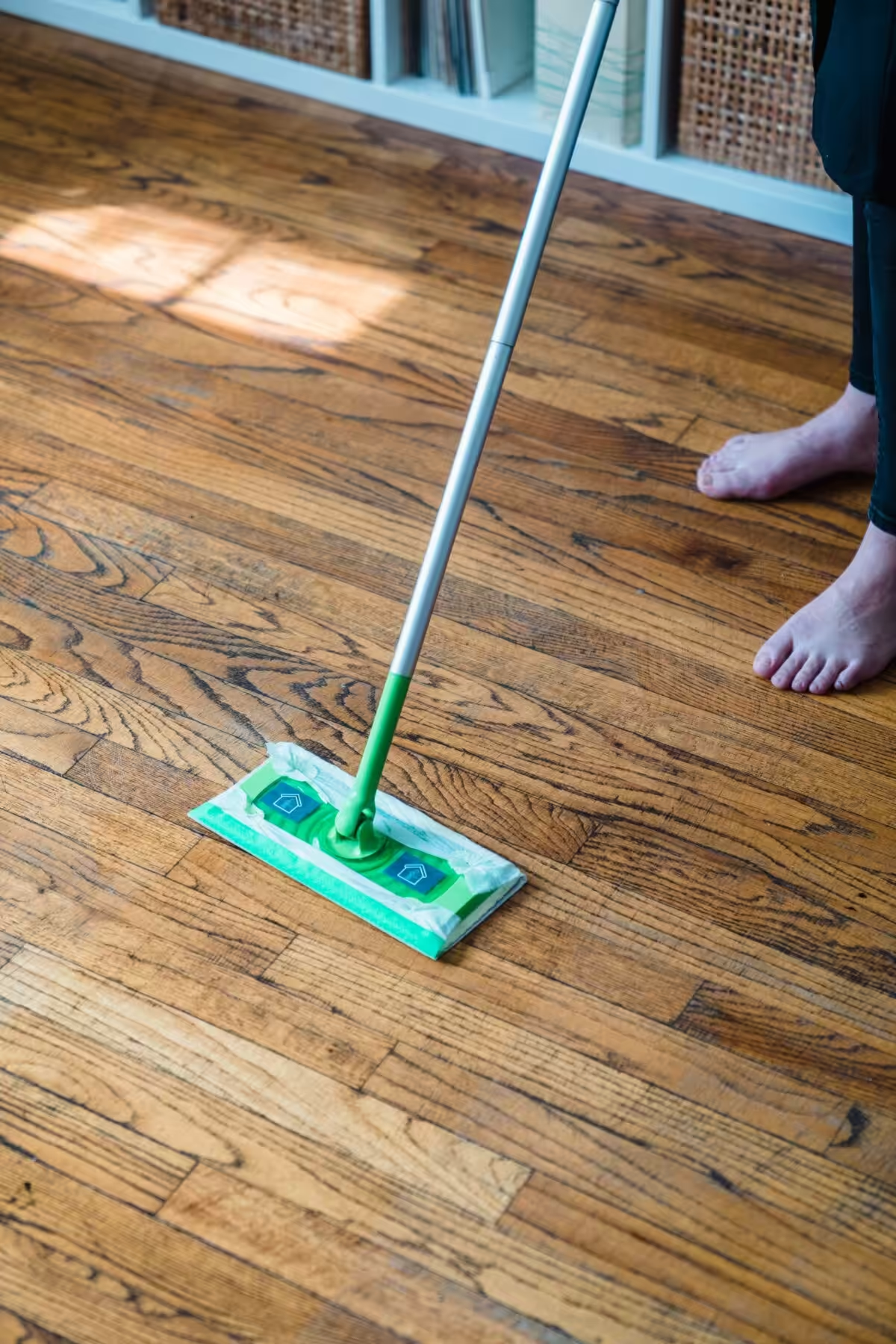
Choose the Correct Pad for Your Floor Type
Match the pad to the finish: use pads labeled for finished hardwoods on sealed wood, and multi-surface wet pads on tile, vinyl, laminate, and other sealed hard floors. Avoid wet pads on unfinished, oiled, waxed, or non-sealed stone; when in doubt, test one pad in a hidden corner and wait for it to dry before proceeding.
For a side-by-side discussion of Swiffer tools versus traditional mops, which helps decide when a disposable pad is appropriate, see the comparison at Swiffer Vs Mop.
Attach the Pad Correctly Every Time
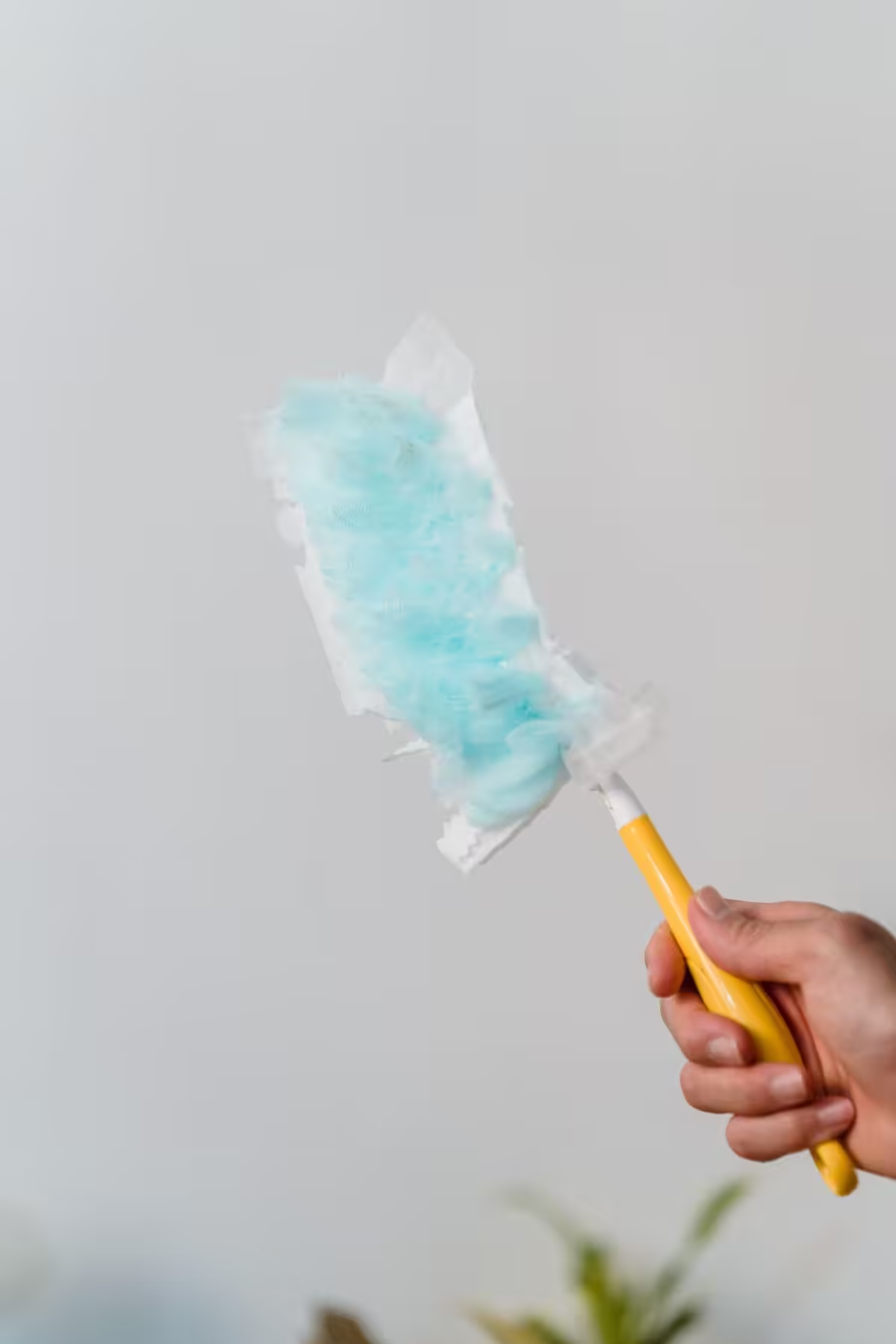
Lay the folded pad face-down, center the mop head over the marked area, then press up until clips or adhesive engage. If your model uses snap clips, press until you hear the snap; confirm any scrubbing strip sits under the head so it contacts the floor where designed.
Wipe the mop head plate after each use to remove old adhesive and lint so new pads stick reliably; store unopened pad packages in a cool, dry place to prevent them drying out.
Operate the Spray System Efficiently
Fill the reservoir with the manufacturer-recommended solution and lock the bottle in place. Work in small sections, spray a short burst directly ahead of each pass, and use light, overlapping strokes so the pad traps soil rather than pushing it around.
- On plank wood floors, work with the grain when possible to reduce visible streaking.
- For sticky spots, spray directly, wait 5 to 10 seconds, then use short firm strokes to break the soil free before resuming lighter passes.
Pressure, Motion, and Coverage Details
Apply minimal downward pressure. Excess force compresses fibers and reduces contact area, which increases streaking and leaves more residue. Overlap each stroke by roughly 30 percent and finish each small area before moving on so you never drag a saturated pad across a clean surface.
Disposal, Reusable Alternatives, and Cost Considerations
Dispose of single-use pads in the trash; do not flush. For lower ongoing cost and less waste, choose a compatible reusable microfiber pad that matches your mop head’s hook-loop pattern or shape. Wash reusable pads without fabric softener to avoid lint and residue and air-dry or tumble-dry on low per the pad manufacturer’s instructions.
For a practical purchasing option for replacement wet pads, see Swiffer Wet Pad refills on Amazon.
Avoiding Surface Damage and Protecting Pets
Do not use wet pads on unfinished, waxed, or oiled wood or on non-sealed stone. Remove pets from the room until the floor is dry and keep bottles and pads out of reach. For household-product safety around animals, reference the ASPCA guidance on poisonous household products.
ASPCA poisonous household products
Troubleshooting Streaks and Sticky Residue
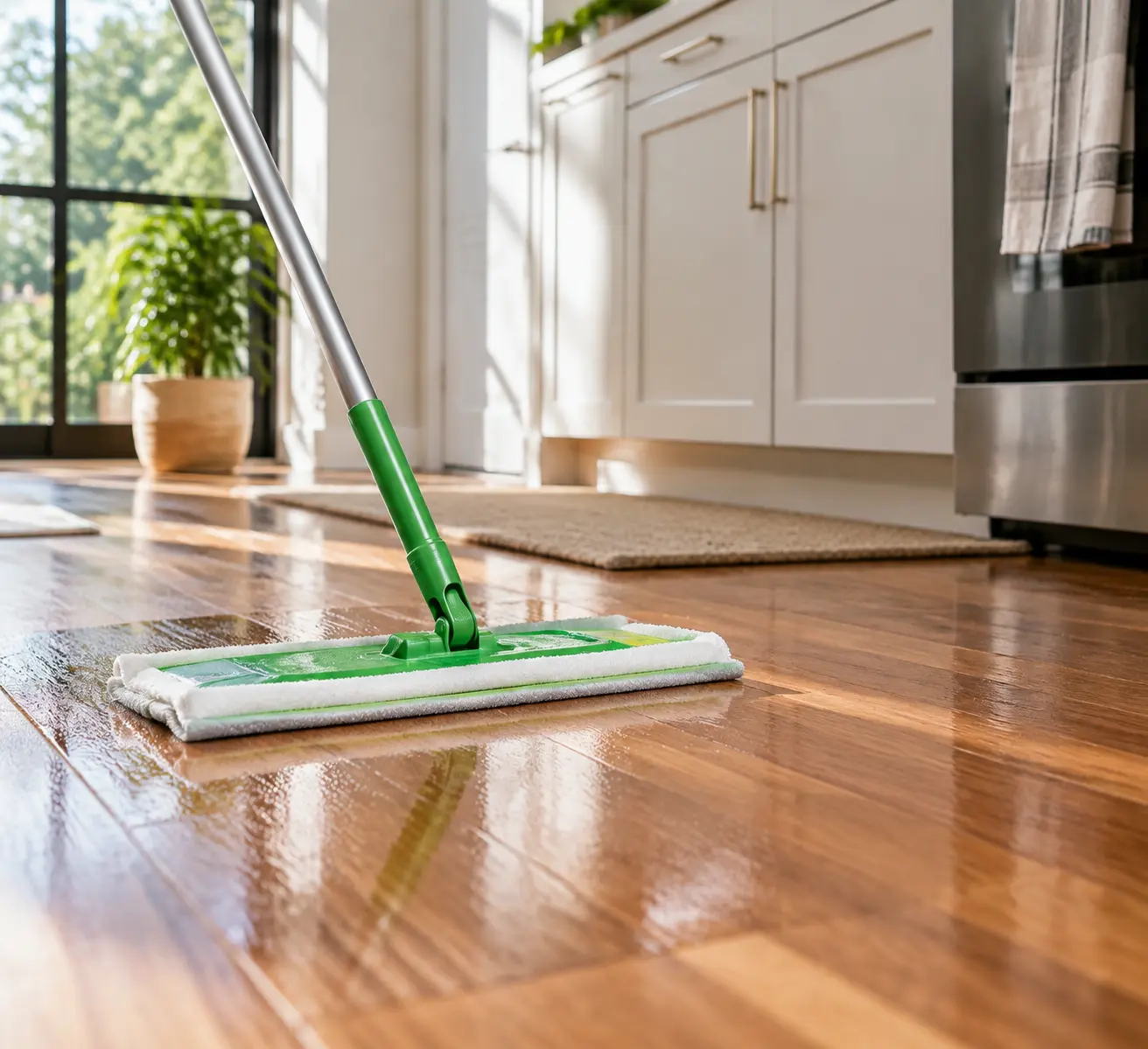
Streaking usually results from an over-wet or saturated pad, a dirty pad, too much cleaning solution, or long cleaning runs without replacing the pad. If a surface feels sticky after cleaning, re-clean a small test area with a lightly damp microfiber cloth and an unscented or wood-specific pad, then dry to check for residue.
If pads are falling off, clean the mop head plate and inspect clips or adhesive for damage; replace the plate or retrofit a compatible reusable pad if necessary.
Quick Reference Table for Pad Selection
| Pad Type | Best For |
|---|---|
| WetJet Wood Mopping Pad | Finished hardwoods and engineered wood with sealed finishes |
| Wet Multi-Surface Pad (standard) | Tile, vinyl, laminate, and most sealed hard floors |
| XL or Heavy-Duty Wet Pads | Large areas or pet messes where extra scrubbing power helps |
Maintenance Steps for Reliable Performance
After each use, remove the pad and inspect the mop head plate for adhesive residue and lint; a quick wipe prevents future sticking problems. Keep spare solution bottles capped and store them upright per label directions to avoid evaporation or leakage.
For guidance on power-assisted Swiffer tools and how they change refill and pad choices, see the product overview at Swiffer PowerMop - A Powerful and Convenient Tool.
Communal Supplies and Institutional Programs
Many campus and communal cleaning programs offer shared kits that include Swiffer-style pads and usage rules, which illustrate safe checkout periods and refill practices. For an example of how universities manage communal cleaning supplies and include wet pads in kit inventories, see Cleaning Caddy Program | SDSU.
Programs like this show practical constraints to consider: limit checkouts to short intervals, track which consumables are single-use, and instruct students to return partially used sealed bottles upright to reduce spills and waste.
Where to Read Manufacturer Guidance
For compatibility notes, refill choices, and model-specific tips consult the brand help pages and product listings; manufacturer guidance clarifies which pads pair with specific mop heads and cleaning solutions. See a collection of manufacturer tips at Swiffer tips and articles.
Final Practical Judgment
Matching pad chemistry and construction to the floor finish, using light pressure with overlapping strokes, and replacing pads before they saturate are the single most effective practices to keep sealed floors clean and streak-free while minimizing damage and residue.
Related technical reading on microfiber mop selection and pre-use care can help choose a reusable alternative or an appropriate disposable system: Best Microfiber Mop For Vinyl Floors and What Are You Supposed to Do With Dust Mops Before Using Them.
Our Product Pick
TidyBliss Reusable Power Mop Pads 6 Pack (Purple) is one option to look at if you want a ready-made tool for this job. As an Amazon Associate we earn from qualifying purchases.
How To Attach A Swiffer Wet Pad-Assembly Instructions:
Using Swiffer Wet Pads is an effective way to maintain the cleanliness of your floors with minimal effort. Start by attaching the pad to the base of the Swiffer. Then, simply push and pull across the floor to pick up dust, dirt, and spills. The easy-to-use design and disposable feature make it convenient for quick clean-ups in any room.
More from Architecture Adrenaline
For more tips and posts like this, feel free to check out our social media channels. You can follow us on Instagram for updates and additional cleaning strategies. Regular maintenance with Swiffer Wet Pads can help keep your home looking its best with little hassle.