
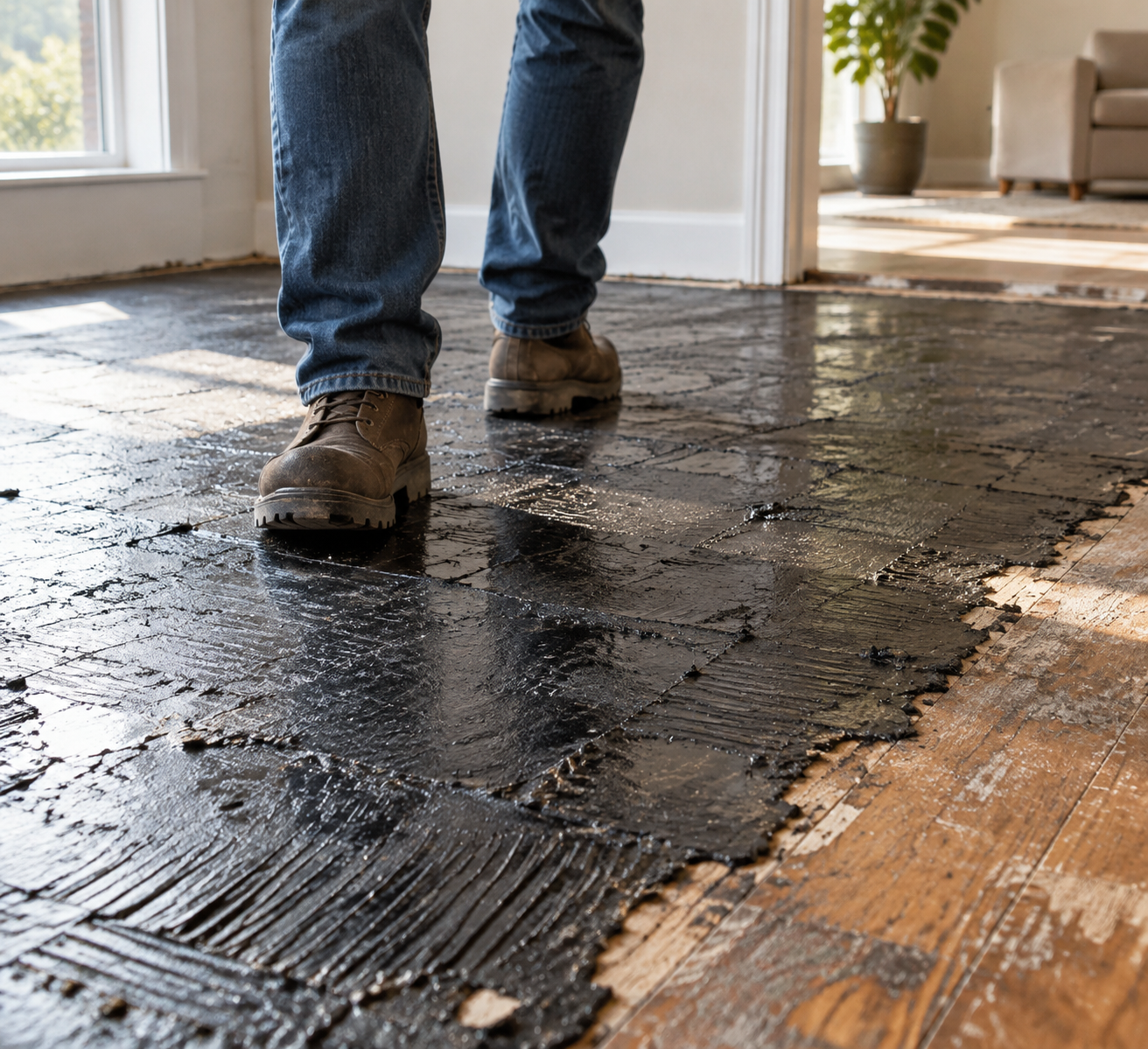
If you find dark, tarry adhesive under a removed tile, the immediate answer is: brief, careful foot traffic on intact, firmly bonded black mastic is unlikely to create a measurable fiber hazard, but treat the material as potentially asbestos-bearing until laboratory testing confirms otherwise. This matters because mechanical disturbance such as sanding, grinding, or aggressive scraping can generate respirable fibers that require containment or licensed abatement.
The Difference Between Intact Bonding and Mechanical Disturbance
Well-adhered mastic that remains contiguous with the subfloor rarely releases dust during normal walking; the real risk begins when the mastic is broken, crumbles, or is worked with tools. Avoid scraping, dry sanding, heat guns, or any action that fractures the adhesive. If you must step on the surface, keep traffic minimal, use soft-soled shoes, and place a rigid board to distribute weight across a larger area to reduce point loading that can crack old adhesive.
How to Recognize Higher-Risk Adhesive Conditions
- Surface texture. Powdering, visible flakes, or black dust underfoot indicates friability and higher fiber-release potential.
- Context. Mastic beneath 9-by-9 or 12-by-12 vinyl tiles installed before the late 1970s to early 1980s is more likely to contain asbestos; age and installation type raise suspicion but do not confirm presence.
- Behavior under load. Adhesive that peels or breaks when flooring is pried up should be treated as a damage condition requiring containment and testing before further work.
What a Proper Sample-and-Test Workflow Looks Like
Laboratory analysis is the only reliable confirmation. Remove a small, representative sample with minimum disturbance, double-bag it, and send it to an accredited lab for polarized light microscopy or electron microscopy. If you hire an independent sampler or contractor, require written chain-of-custody documentation and a clear sampling plan. For consumer-level preliminary screening only, an asbestos test kit can identify whether professional testing is warranted; kit results should be discussed with a certified laboratory before making renovation decisions.
Authoritative Safety and Regulatory References to Consult
For practical safety and regulatory guidance in the UK context, use the HSE guidance on asbestos-containing mastic and flooring for rules about disturbance, containment, and professional removal. The HSE also maintains a clear overview of asbestos-containing materials in buildings that explains why visual checks cannot substitute for testing. For accessible summaries of common products that historically contained asbestos-based adhesives, see the consumer-facing Asbestos adhesives and mastics in flooring and the related Mesothelioma article on asbestos-containing adhesives.
Practical Interim Controls While You Wait for Lab Results
- Stop all sanding, grinding, heat-gun use, and dry scraping in the area.
- Isolate the space with temporary barriers, close HVAC vents to the zone, and limit foot traffic to essential entries only.
- Use wet methods for any minor, unavoidable adjustments to reduce airborne dust and wear a P100 respirator and disposable coveralls if entry is required; do not attempt removal beyond sampling.
- Keep children and pets completely out of the space until testing and the remediation plan are in place.
Options After Confirmed Test Results and Their Tradeoffs
| Option | When It Makes Sense | Practical Tradeoff |
|---|---|---|
| Leave In Place | Intact, undamaged mastic and no planned disturbance | Lowest short-term cost. Requires ongoing monitoring and clear records for future work. |
| Encapsulate or Cover | Intact mastic that must be covered for a new floor | Moderate cost. Must verify compatibility between encapsulant, leveling compounds, and finish floor to avoid later failures. |
| Licensed Removal | Friable, damaged mastic or regulatory requirement before renovation | Highest cost. Proper containment, HEPA filtration, and licensed disposal minimize long-term liability and airborne release. |
Compatibility Concerns When Flooring Is Installed Over Black Mastic
Tar-like cutback mastics chemically and physically resist many modern primers, self-leveling compounds, and adhesives. Manufacturers frequently void warranties when their products are applied over incompatible residues. Test a small area, consult the flooring product technical data sheet, and document any manufacturer recommendations. For advice on installing new floors without removing existing layers, see guidance on leveling substrates in articles such as how to level a floor without removing existing flooring, which covers substrate preparation and material selection when full removal is not practical.
How Licensed Abatement Controls Exposure Compared With DIY Attempts
Licensed asbestos contractors use negative-pressure containment, HEPA-filtered exhaust, wet methods to suppress dust, and trained teams in full PPE. They conduct air monitoring before reoccupying a space and handle waste to regulated facilities. DIY removal that uses grinders, heat, or dry scraping commonly produces airborne dust concentrations that exceed safe limits and may result in regulatory and disposal violations. When hiring, ask contractors for licenses, proof of insurance, references, and a copy of their post-abatement air clearance report.
Testing, Visual Checks, and Related Site Resources
Visual inspection cannot determine asbestos content. For practical homeowner guidance on identifying black mastic and next steps, consult black mastic and asbestos: what it is and safety considerations and the summarized handling approaches in Black mastic health risks and safe handling. For plain-language consumer advice about when to test and when to hire a professional, read black mastic asbestos, what homeowners should know and the contractor-focused overview at Understanding asbestos-containing glues and mastics.
Before You Disrupt a Glued Subfloor: A Concise Practical Checklist
- Observe whether the adhesive powders or flakes; stop work if it does.
- Do not use power tools in the area until testing is complete.
- Sample and send material to an accredited lab; request polarized light or electron microscopy analysis.
- Decide on encapsulation, covering, or licensed removal based on condition, reuse plans, and documented cost comparisons.
- Hire and verify contractor credentials; require an air clearance report after abatement.
Common Scenarios and Quick Practical Answers
If carpet was glued over black mastic, many floating floors, resilient vinyl, or laminate systems can be installed over the adhesive, but only after confirming compatibility and warranty terms with the chosen product. When plywood or tile must be removed, sample the adhesive before using aggressive methods. If you smell burning or see visible dust during any work, stop, vacate, and isolate the area pending professional assessment.
Additional Architecture Adrenaline Resources Relevant to Planning and Floor Work
For context on textured-wall safety and consumer testing options that relate to sampling strategies, see the site’s Apply Artex Ceilings Like a Pro guide. For product selection and practical decisions on finish floors that may be installed over existing adhesives, consult the site’s overview of leveling and substrate approaches in How To Level A Floor Without Removing Existing Flooring and the discussion of showroom materials and sourcing in Grande Central Showroom: A Stylish Haven for Home Design Enthusiasts.
Final Judgment: Walking briefly on intact, well-bonded black mastic is usually low risk, but any work that fractures, sands, or heats that adhesive can release asbestos fibers if present. The safest path is to stop work, sample for laboratory analysis, and then choose monitoring and management, encapsulation, or licensed removal based on the confirmed result, the adhesive condition, and the planned renovation.
Understanding Asbestos Safety | Ask This Old House:
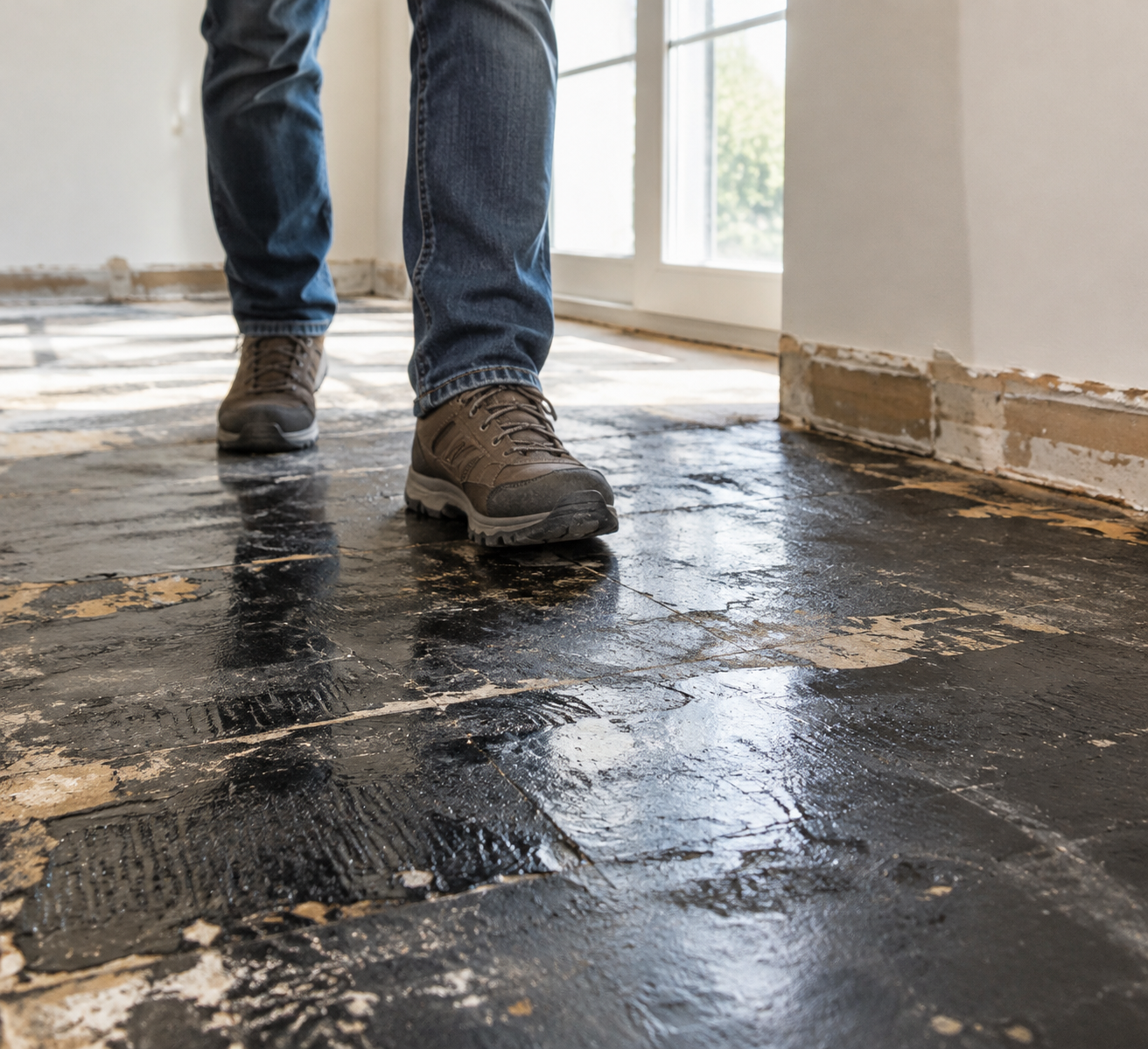
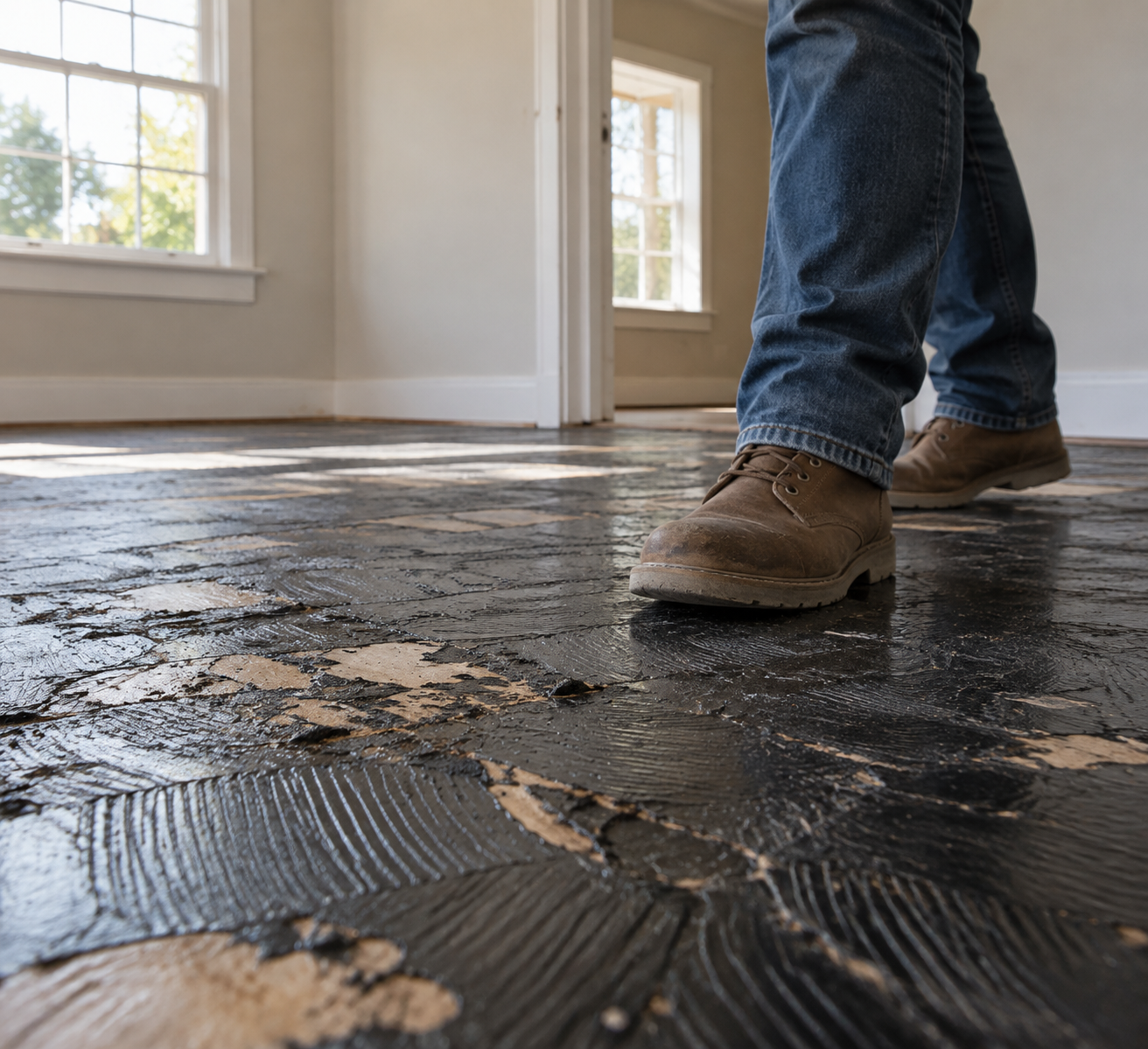
Walking on black mastic can present certain risks, particularly regarding slips and overall stability. It is crucial to assess the surface condition before deciding to walk on it. While black mastic is often durable, its texture and adherence can change over time due to wear and exposure to elements.
More from Architecture Adrenaline
For further insights and related topics, check out our social media channels. Follow us on Instagram for more posts like this. Staying informed can help ensure safe practices when dealing with various materials in construction and architecture.
