
```html
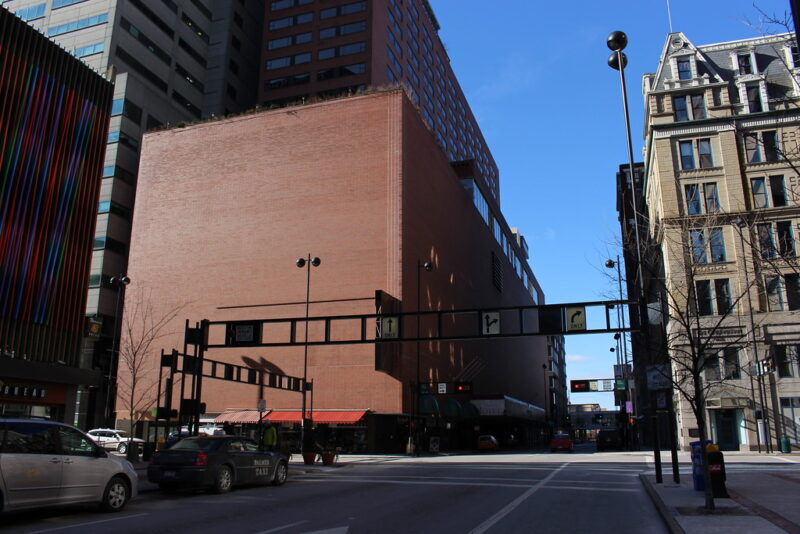
Terrace Plaza Hotel in Cincinnati, Ohio, stands as a remarkable example of post-World War II modernist architecture, developed by the visionary Cincinnati industrialist John J. Emery. Opened in 1948, this pioneering high-rise was designed by the prestigious architecture firm Skidmore, Owings & Merrill, marking their first foray into hotel design. Notably, it was among the first hotels primarily designed by a woman, with 24-year-old Natalie de Blois as the senior designer. Although the once-vibrant building has been vacant since 2008, plans for its redevelopment have sparked interest, thanks to its prime location and potential for incorporating arts, entertainment, and hospitality.
| Aspect | Detail |
|---|---|
| Original Design | Designed by Skidmore, Owings & Merrill; primarily by Natalie de Blois |
| Opening Year | 1948 |
| Redevelopment Plans | Focus on arts, entertainment, and hospitality; began interior demolition in 2024 |
A Legacy of Innovation and Design
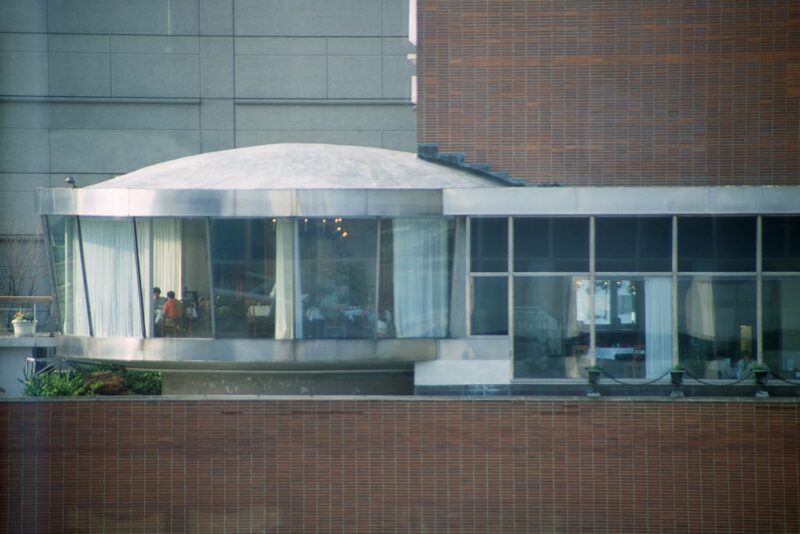
The Terrace Plaza Hotel stands not only as a monument to mid-20th-century architectural ambition but also as a testament to the influence of women in architecture during that era. Natalie de Blois, who was a mere 24 years old at the time, was the senior designer on this pioneering project for Skidmore, Owings & Merrill. Her work on this high-rise, one of the first of its kind built after World War II in the United States, earned the building recognition as a historic architectural breakthrough. John J. Emery, the visionary behind the project, saw potential in creating a space that integrated both modern design elements and functional luxury—a vision that de Blois adeptly brought to life through her designs.
The Rise and Fall
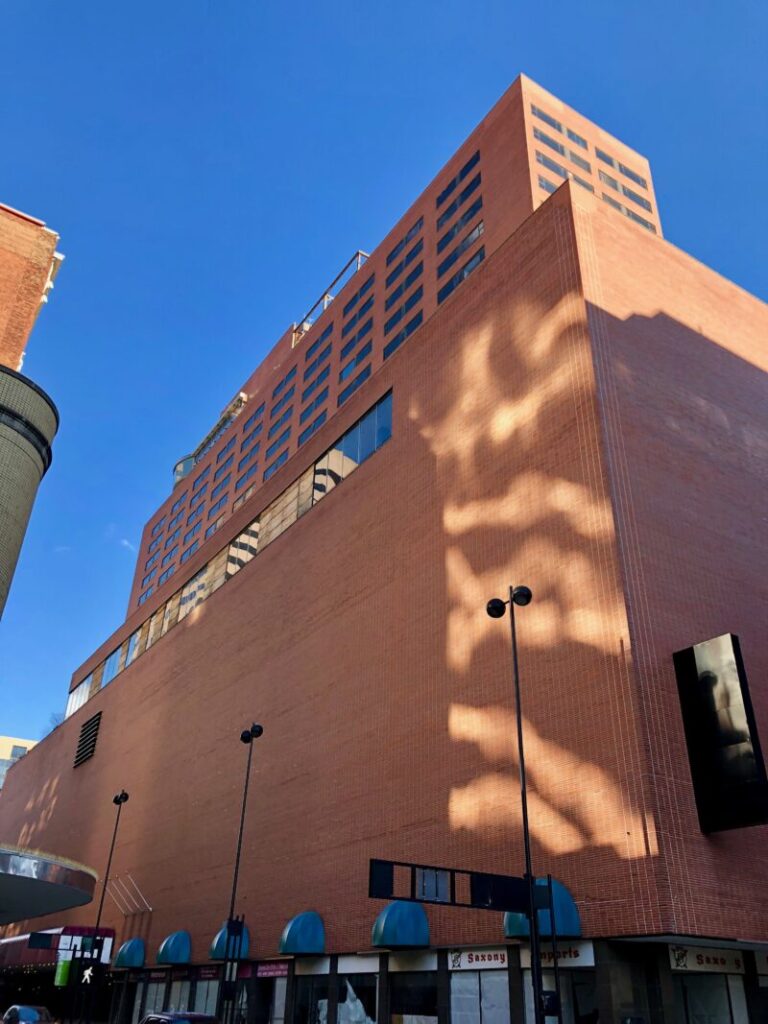
Upon its grand opening in 1948, the Terrace Plaza Hotel was a marvel of its time, offering 3,300 square feet of ballroom space and a design that set the tone for future urban high-rises. However, despite its early success and iconic status, the hotel underwent multiple changes in ownership, a fate not uncommon with such grand projects. These transitions eventually led to its closure in 2008, leaving the property in a state of dormancy that has persisted since.
Reviving a Classic
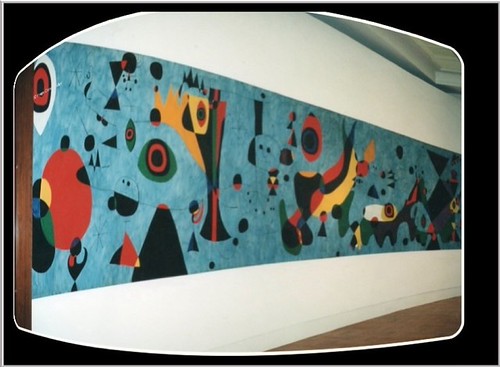
Now, with redevelopment plans underway, there's a renewed sense of hope for this landmark. The plans to blend arts, hospitality, and entertainment aim to breathe new life into its storied walls.
One of the most exciting prospects of the redevelopment is its potential to incorporate:
- Immersive theaters and art exhibitions to highlight the creative spirit of the community.
- Location-based virtual reality experiences and escape rooms, providing a blend of entertainment and technology.
- Micro amusement parks and cinemas, catering to both locals and tourists seeking unique attractions.
By utilizing historic tax credits and maintaining the building's original character, developers can preserve its architectural heritage while adapting it to modern needs.
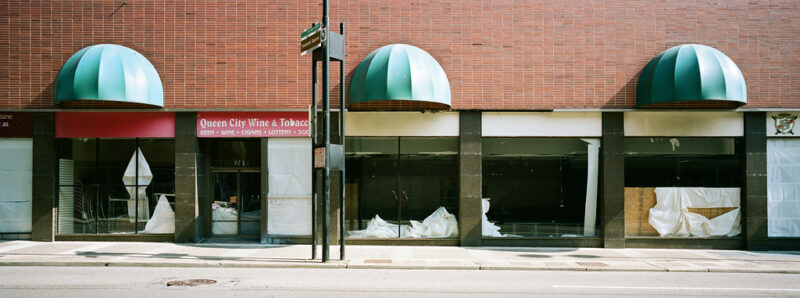
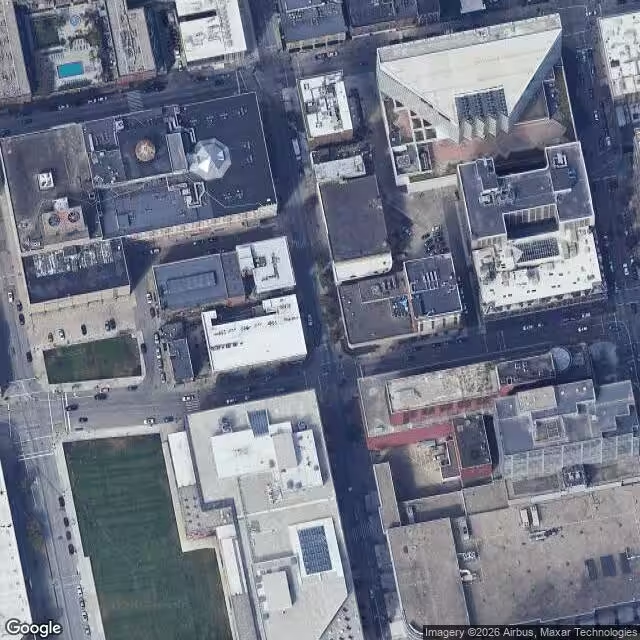
The strategic location near Fountain Square, major performing arts centers, and convention spaces could position the Terrace Plaza Hotel as a cultural cornerstone of Cincinnati’s downtown area, making it a magnet for visitors and civic events alike. The project's vision is reminiscent of the AFC Terrace Project at the University of Virginia, which also incorporates cultural and recreational spaces in its design.
How do you envision the revitalization of historic buildings in contemporary urban settings? Share your thoughts or ideas in the comments below—your input could shape the future narrative of such remarkable landmarks!

Stay Connected and Inspired
If you're as captivated by architectural marvels as I am, consider exploring more stories like that of the Terrace Plaza Hotel. There are countless buildings with rich histories waiting to be discovered. To keep your curiosity piqued and your wanderlust alive, follow us on social media. On our Instagram page, for example, we're always sharing stunning visuals and fascinating insights into architectural wonders from around the world. Click here to join our growing community and stay in the loop for more inspiring content. Thanks for coming along on this journey through design history—let's continue exploring together!
```