
Sanitize on a washer means the machine runs a hotter, longer, and more thorough cycle to reduce bacteria on fabrics; it lowers microbial counts to safer household levels but does not sterilize textiles to medical standards. This article explains how sanitize cycles work, what “Sanitize with Oxi” adds, which items should use the setting, realistic temperature expectations, and practical steps to get effective results without damaging clothes.
How Sanitize Cycles Work
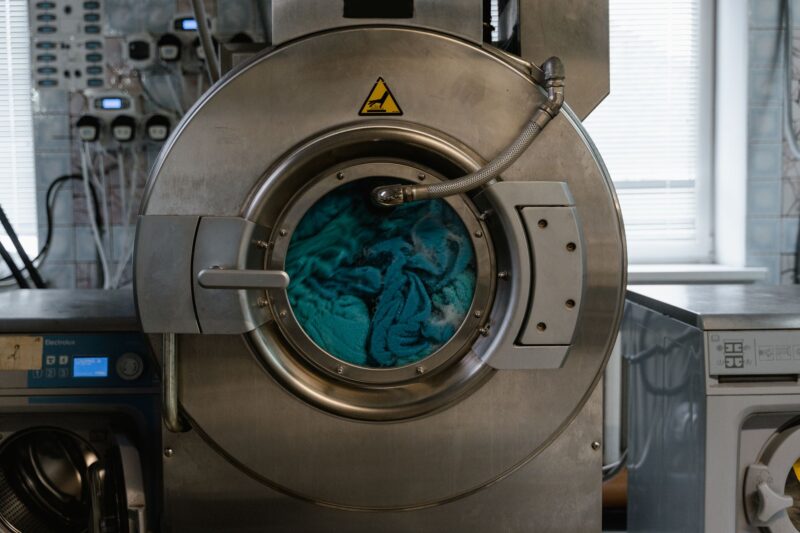
Sanitize cycles use three coordinated actions: increased water temperature, extended wash and soak time, and extra rinses or pump purges that flush loosened soil from the drum. Heat applied for a sustained interval is the primary microbial reduction mechanism, while longer mechanical action helps detach microbes from fibers so rinses can remove them rather than redeposit them.
What Sanitize With Oxi Means
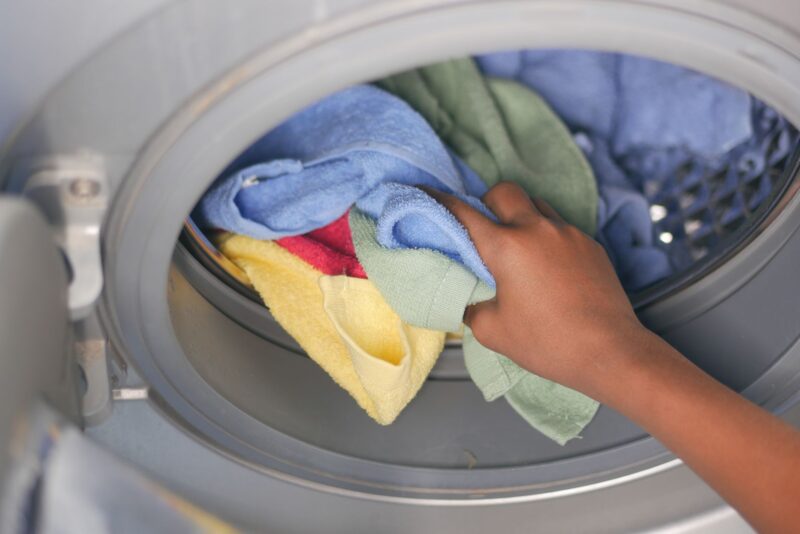
“Sanitize with Oxi” adds an oxygen-based oxidizer to the mechanical and thermal actions. The Oxi chemistry accelerates breakdown of organic soils and increases microbial reduction at moderate temperatures, letting some models achieve comparable log reductions without reaching clinical thermal-disinfection temperatures. Use the additive only at the dose recommended by the washer maker or the product label to avoid residue or fabric damage.
Temperature Benchmarks and Practical Limits
Public-health literature cites about 160°F (71°C) sustained for a specific time as an effective thermal benchmark for many pathogens, but most consumer washers operate at lower setpoints and rely on extended time plus chemistry. For a clear manufacturer-level description of what “sanitize” is meant to accomplish, see GE Appliances: Sanitize cycles explained, which defines sanitize as a high-heat, extended wash intended to reduce household germs.
Items That Benefit From Sanitizing
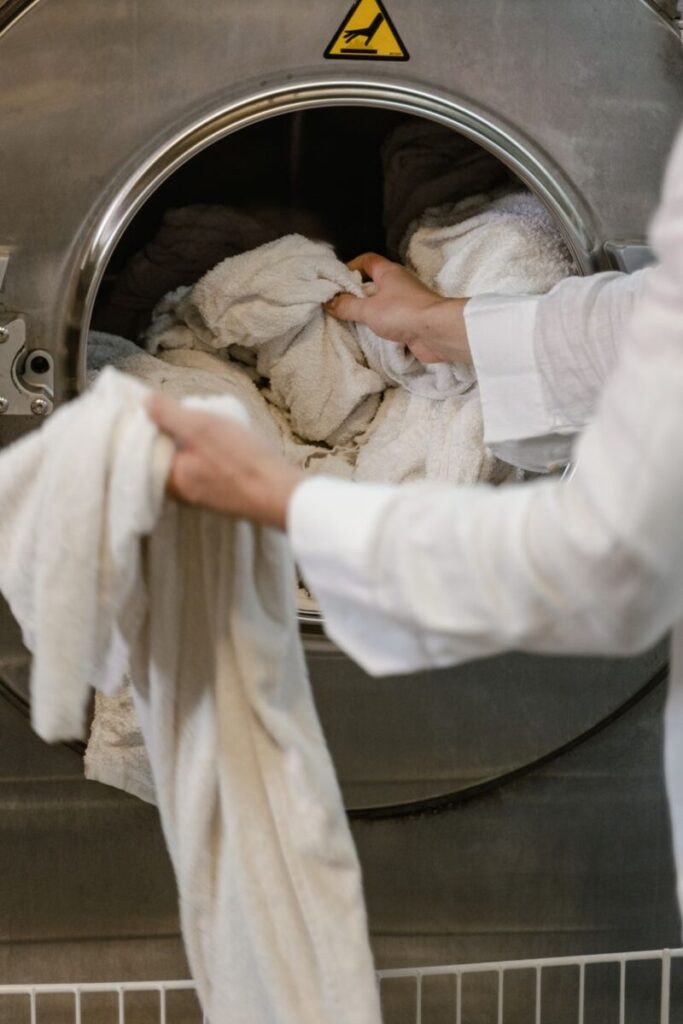
- Towels, bath mats, and bed linens that tolerate hot water and repeated drying
- Cloth diapers and reusable baby items when labels permit high-heat washes
- Gym clothes, wet swimwear, and odor-prone fabrics that trap sweat and bacteria
- Linens or clothing exposed to gastrointestinal illness or contagious skin infections
When Sanitize Is Not Appropriate
Delicate fibers such as wool, silk, and many synthetics can be damaged by repeated high heat or oxidizing additives; elastic components and some dyes also degrade faster. If a garment care label forbids hot water, choose a laundry disinfectant rated for lower temperatures or a nonthermal option that the product manufacturer documents as safe for fabrics.
Manufacturer Guidance and Model Notes
Model-specific behavior varies: some machines fix sanitize temperature while others combine steam, hot water, and extended time. Consult your use-and-care guide for exact targets and prewash instructions. For model comparisons that highlight which consumer washers include an NSF-style sanitize option, see our equipment roundup that notes sanitation features in larger-capacity models: Best Extra Large Capacity Washers. For model-level examples and brands with documented sanitize claims, see the Maytag picks summary at Best Maytag Washer: Top Picks.
Washer Versus Dryer Roles
The washer’s sanitize step loosens and reduces microbes in the wet load; a subsequent high-heat dryer cycle raises fabric temperature again and further lowers microbial counts for heat-tolerant items. For heat-sensitive pieces, chemical disinfectants formulated for laundry or extended sun drying are alternatives that avoid thermal damage.
Simple Steps to Sanitize Safely
- Read garment care labels and reserve sanitize for colorfast, heat-tolerant items only.
- Measure Oxi or bleach additives exactly, and follow both washer and additive instructions to prevent residue or fabric weakening; Whirlpool offers practical dosing and temperature guidance in How to sanitize laundry (Whirlpool).
- Avoid overloading the drum; crowded loads reduce water penetration and the cycle’s effectiveness.
- When allowed by fabric care, finish with a high-heat dryer cycle to add thermal reduction.
Maintenance Tips to Keep Sanitize Effective
Sanitize cycles are less effective if the washer interior contains film or biofilm. Run manufacturer-recommended drum-clean cycles or use approved washing-machine cleaners to remove residues. Leave the door ajar after cycles to dry the drum and reduce residual moisture that promotes microbial regrowth. For a step-by-step drum-clean routine, consult the site guide on machine cleaning at How to Clean Your Washing Machine in 5 Easy Steps.
When to Choose Chemical Sanitization Instead
If loads contain heat-sensitive items or the washer cannot reach high temperatures, use a laundry disinfectant or a diluted chlorine solution that is approved for fabrics and safe at lower temperatures. Follow the disinfectant label and garment tags exactly to prevent bleaching, fiber weakening, or skin-irritant residues.
| Feature | Practical Effect |
|---|---|
| Elevated Heat | Stronger bacterial reduction when sustained during wash |
| Extended Time | Improves heat exposure and mechanical removal of soil |
| Oxi or Bleach Additive | Boosts microbial kill at lower temperatures; follow dosing guidelines |
Public-Health Rationale for Laundry Sanitizing
Proper laundry hygiene reduces household transmission of pathogens carried on fabrics. University guidance and public-health reporting emphasize higher-heat or longer-cycle washing to lower germ transfer risk. For a concise public-health explanation linking soil removal and higher-heat washing to lower infection risk, see Dirt, laundry, and how to reduce your risk of getting sick.
Products That Support Sanitize Cycles
Some users add washing-machine sanitizer tablets or Oxi products to support sanitize cycles and combat odors and biofilm. For a consumer-oriented product category to consider, see Washing machine sanitizer tablets on Amazon. Use only products labeled safe for laundry and follow both the product and washer instructions.
Common Consumer Questions Answered
Sanitize increases heat, time, and often chemistry to reduce microbes beyond a standard wash. It will not sterilize fabrics to hospital standards. Repeated use on heat-sensitive items will degrade fabric, so reserve sanitize for loads that clearly need it. Use manufacturer manuals and product labels to choose between thermal and chemical options.
Related Video
Understanding the sanitize feature on a washer is important for maintaining cleanliness and hygiene in your laundry. This setting raises the wash temperature to eliminate bacteria, allergens, and other contaminants. By incorporating this option into your laundry routine, you can ensure that your clothes, bed linens, and towels are thoroughly cleaned, promoting a healthier environment at home.
More from Architecture Adrenaline
For those interested in home improvement tips and a variety of posts on efficient living, more content can be found on our social channels. Visit us on Instagram for updates and insights.