
What’s the cheapest way to heat a space? A modern heat pump delivers the lowest running cost for ongoing, whole‑home heating, while low‑wattage infrared or ceramic space heaters remain the most economical choice for short, targeted use. This guidance lays out precise cost considerations and practical decisions to help you pick wisely.
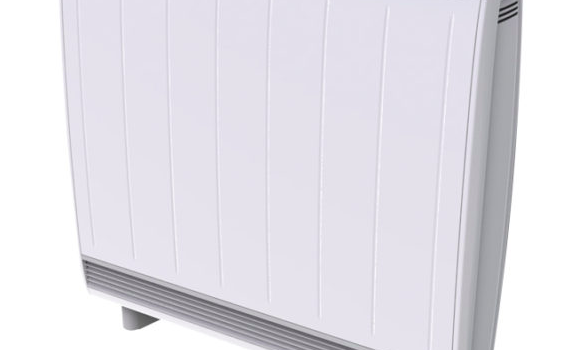
| Heating Situation | Cheapest Type To Run | Why It’s Often Cheapest |
|---|---|---|
| Whole‑home, year‑round heating | Heat pump (air‑source / mini‑split) | Delivers more heat per unit of electricity (COP/SPF > 1); low cost per delivered kWh |
| Occasional, single‑room use | Electric space heater (infrared or ceramic) | Low upfront cost; efficient for heating a small zone for short periods |
| Hot water only (domestic hot water) | Heat pump water heater or high‑efficiency gas tankless | Heat pumps are efficient; tankless gas minimizes standby losses |
Overview: The Core Principle Behind Running Costs
The lowest running cost comes from the heater that delivers the most usable heat for the least energy cost in your specific situation. Compare delivered heat (kWh of heat) rather than raw energy input. A quick framework:
- Heat pump: cost per delivered kWh ≈ electricity price ÷ SPF/COP
- Gas boiler: cost per delivered kWh ≈ gas price ÷ boiler efficiency
- Electric resistance heater: cost per delivered kWh ≈ electricity price (efficiency ~100%)
How To Compare Running Costs Step‑By‑Step
Use this practical method to estimate costs for your home:
- Identify local energy prices for electricity and gas (per kWh equivalent).
- Adopt realistic efficiency inputs: SPF for heat pumps (typical range ~2.5–4.0), boiler efficiency (80–95%).
- Compute delivered heat cost: electricity_price ÷ SPF for heat pumps, gas_price ÷ boiler_efficiency for gas boilers, electricity_price for electric resistance.
- Multiply by your estimated annual heat demand to project yearly costs.
Concrete Illustrative Calculation
Use the example numbers below for a rough comparison—but swap in your local rates:
- Electricity: $0.15/kWh; Gas: $0.04/kWh equivalent
- Electric resistance heater: 0.15 ÷ 1 = $0.15 per delivered kWh
- Heat pump (SPF 3.5): 0.15 ÷ 3.5 ≈ $0.043 per delivered kWh
- Gas boiler (85% efficient): 0.04 ÷ 0.85 ≈ $0.047 per delivered kWh
In this scenario, the heat pump is cheapest per delivered kWh. Small electric heaters can still win in short, targeted use, but the heat pump dominates for sustained whole‑home warmth.
Short‑Term vs Long‑Term: When Each Type Shines
Usage pattern matters. Consider these guidelines to maximize savings:
- Short bursts or spot heating: infrared or ceramic space heaters can be cheapest because you heat only the occupied zone.
- Ongoing, whole‑house heating: a properly sized heat pump or high‑efficiency gas system tends to be cheaper over time due to higher seasonal efficiency.
- Occasional occupancy or vacation homes: a small electric heater used sparingly may be the cheapest option when installation costs are a concern.
Electric Heaters: Which Type Works Best For Cost Efficiency
Electric heaters vary by technology and use case. The most cost‑effective options in the right circumstances include:
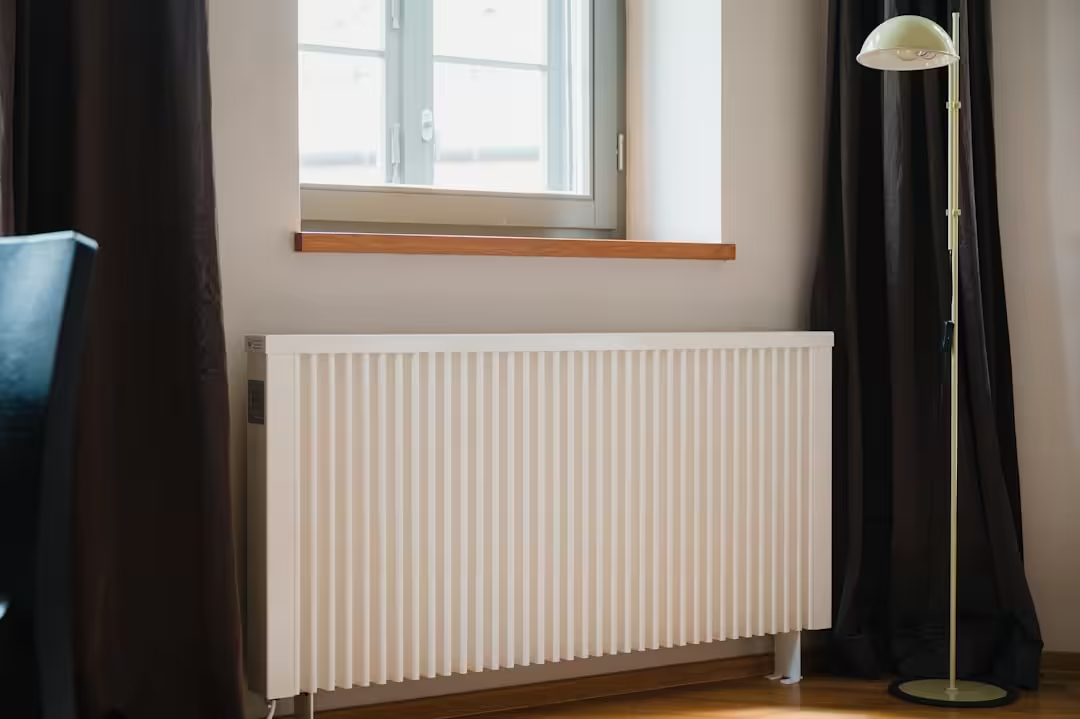
- Infrared (radiant) heaters for direct, fast warmth in a specific area; cost tracks electricity price, but you can run at lower wattage when zoning is precise.
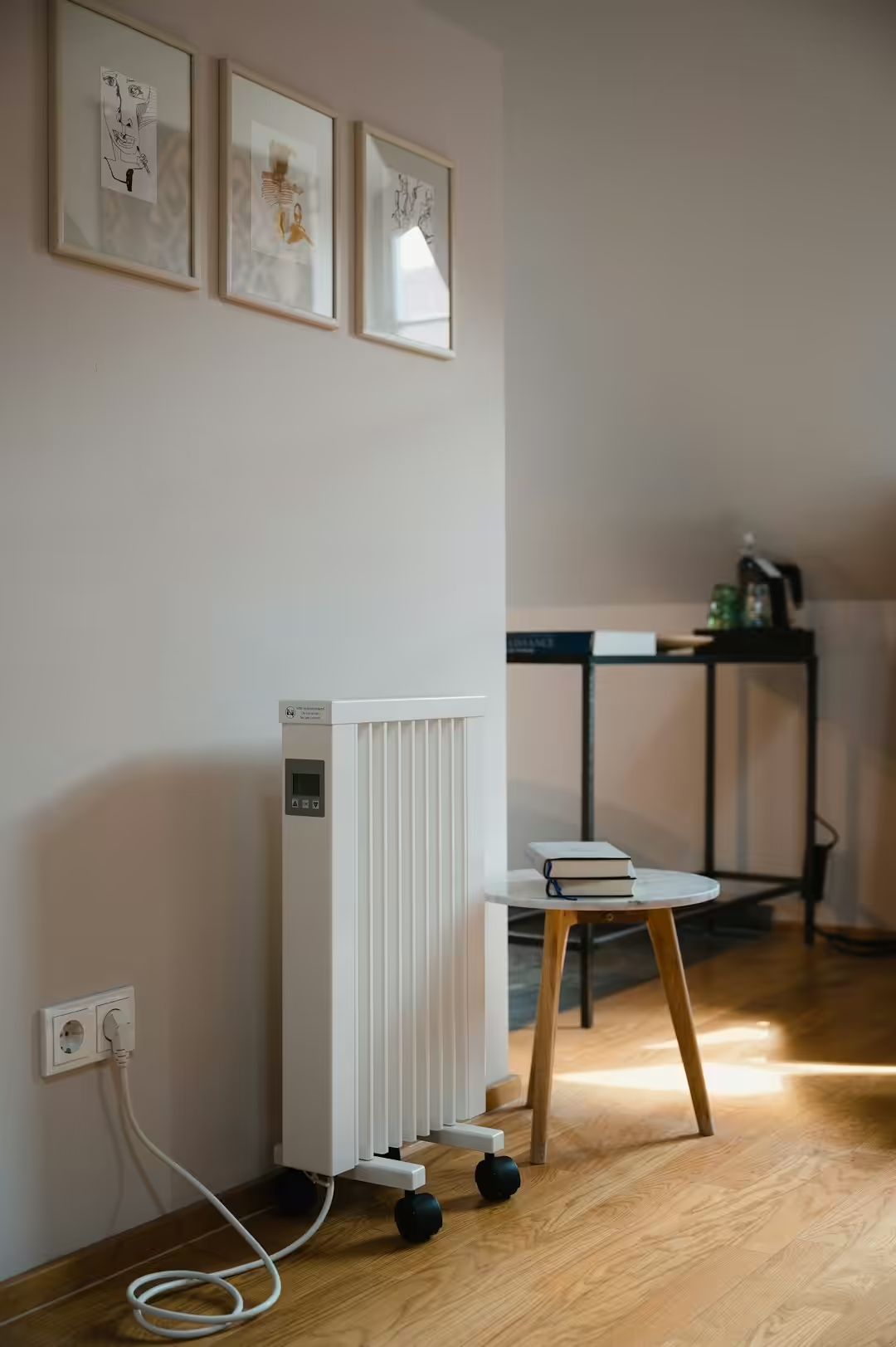
- Oil‑filled radiators: store heat and radiate slowly; useful for quiet, long‑lasting warmth after the element turns off.
- Ceramic fan heaters: quick warm‑up with thermostats; effective for short, small‑room heating bursts.
- Electric underfloor heating: efficient when paired with good insulation and controls; best for steady, comfortable warmth in well‑sealed spaces.

Why Heat Pumps Often Win On Running Costs
Heat pumps move heat rather than generate it from electricity, giving them a natural efficiency advantage. They’re commonly the cheapest option for sustained warmth because:
- High seasonal efficiency (SPF/COP ranges commonly 2.5–4.0 for modern units in many climates).
- Lower electricity consumption per delivered kWh compared with resistance heat.
- Heating and cooling in one system (air‑source or mini‑split) adds value in shoulder seasons.
When Another Heater May Be Cheaper Than A Heat Pump
Heat pumps aren’t universally the cheapest. Notable exceptions include:
- Very cheap fossil fuels or extremely cold climates where heat pump performance drops in deep winter.
- Very short, frequent heat needs where a small infrared heater operates only a few hours at a time.
- High electricity tariffs or lack of off‑peak access can tilt costs toward other options.
Practical Ways To Cut Running Costs Regardless Of Technology
Hardware choice matters, but behavior and controls matter just as much. Try these:
- Use thermostats and timers to avoid overheating.
- Zone heating: heat only rooms you use; portable heaters help here.
- Improve insulation and seal drafts; consider programmable thermostats or radiator valves.
- For heat pumps: ensure proper sizing, regular maintenance, and consider hybrid setups for extreme conditions.
- Shop for tariffs that favor off‑peak hours if you can access them.
Hot Water Heating: Cost Considerations By Technology
Water heating costs depend on system type and energy source. General guidance:
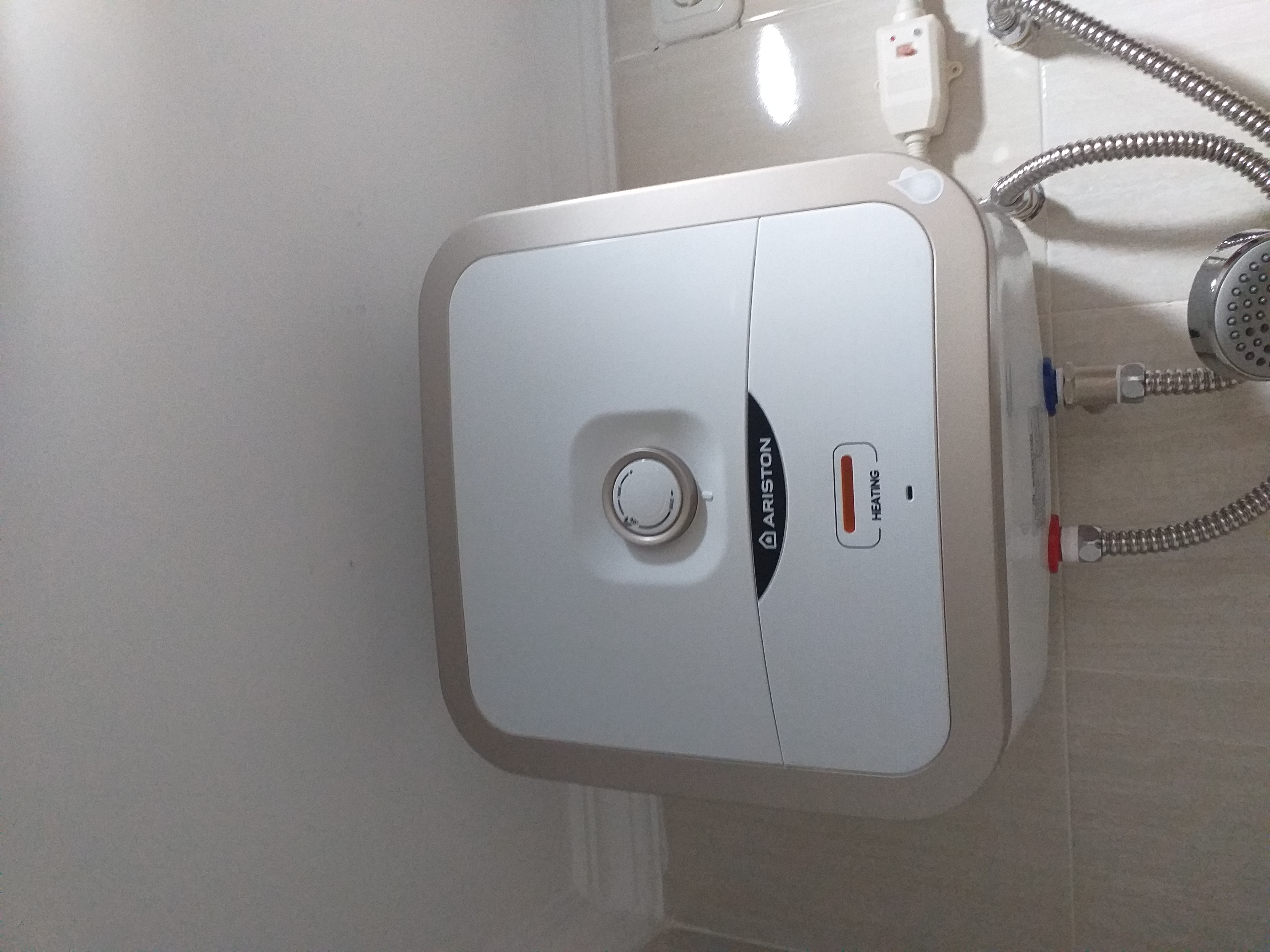
- Heat pump water heaters typically use less electricity per delivered hot water than electric tanks, particularly where electricity costs are moderate and space allows installation.
- Tankless gas water heaters can be cheaper than electric tanks in gas‑friendly regions by avoiding tank standby losses.
- Electric tank water heaters are simple but often more expensive over time than heat pump water heaters for the same delivered hot water energy.
Decision Framework: Key Questions For Your Home
Answer these to help pick the cheapest option for your situation:
- Are you heating the whole home or just a room?
- What are your local electricity and gas prices per kWh?
- Do you have access to off‑peak electricity or a heat‑pump‑friendly tariff?
- Is your home well insulated and suitable for low‑temperature heating?
- What are your upfront installation costs versus long‑term savings?
Finding Local Help And Getting Real‑World Estimates
Seek quotes from local pros and ask for concrete projections. Important items to request:
- SPF/COP estimates tailored to your climate and home layout.
- Projected run costs based on your local energy rates.
- Side‑by‑side comparisons that include installation, maintenance, and expected lifetime costs.
Final Practical Recommendation
For frequent, whole‑home heating, prioritize a modern heat pump (preferred as a mini‑split or central system) with proper sizing and smart controls. For occasional or targeted warmth, a high‑efficiency infrared or ceramic space heater with strict timers/thermostats can be the most economical option. For hot water, select a heat pump water heater or a high‑efficiency gas tankless unit based on your local energy mix, prices, and space constraints.
We’d love to hear how you approach heating costs in your home. Share your experiences, questions, and tips in the comments—what has worked best for you, and what surprises have you encountered when comparing running costs across different heater types?
Useful internal references for readers seeking context on design-aware, energy-conscious decisions include:
- An editorial discussion of flexible multi‑zone heating strategies: Disneyland 11 Am Rule Is Coming To An End
- A broader look at landscape and boundary decisions that influence site efficiency: Driveway Edging Ideas
- A comparison of fence orientations and their impact on space usability and maintenance: Horizontal Fence Vs Vertical Fence: Which Is Best?
For readers curious about practical, energy‑efficient products available commercially, explore Energy‑efficient space heaters on Amazon and consider IU’s Space Heater Exchange program as a campus energy‑savvy alternative to personal space heaters:

What's the most efficient type of electric heater?
When it comes to choosing the most economical heater for your home, you now have a clearer picture of your options. The best fit for you will depend on factors like your specific heating needs, energy prices in your area, and even environmental considerations. It’s all about finding that sweet spot where comfort meets cost-effectiveness. Whether it’s electric, gas, or perhaps a heat pump, exploring your choices can lead you to a solution that keeps you cozy without breaking the bank.
Stay Cozy and Connected
As you dive into your heating journey, don’t forget that you’re not in this alone! There are plenty of resources out there to help you stay informed and make the best decisions. If you're looking for more tips and inspiration on home comfort and energy efficiency, why not check out our latest insights on social media? You can follow us on Instagram for updates and engaging content. Together, let’s make those chilly nights a little warmer and your energy bills a lot friendlier!
