
Warm weather, recent rains and wind corridors explain why dragonflies appear in large numbers: conditions have aligned to produce synchronized emergence, concentrated feeding and occasional long-distance arrivals. This article lists five specific causes, shows how to distinguish them in the field, identifies likely species, and gives practical steps homeowners can use to encourage or reduce local concentrations.
Local Emergence From Aquatic Nymphs
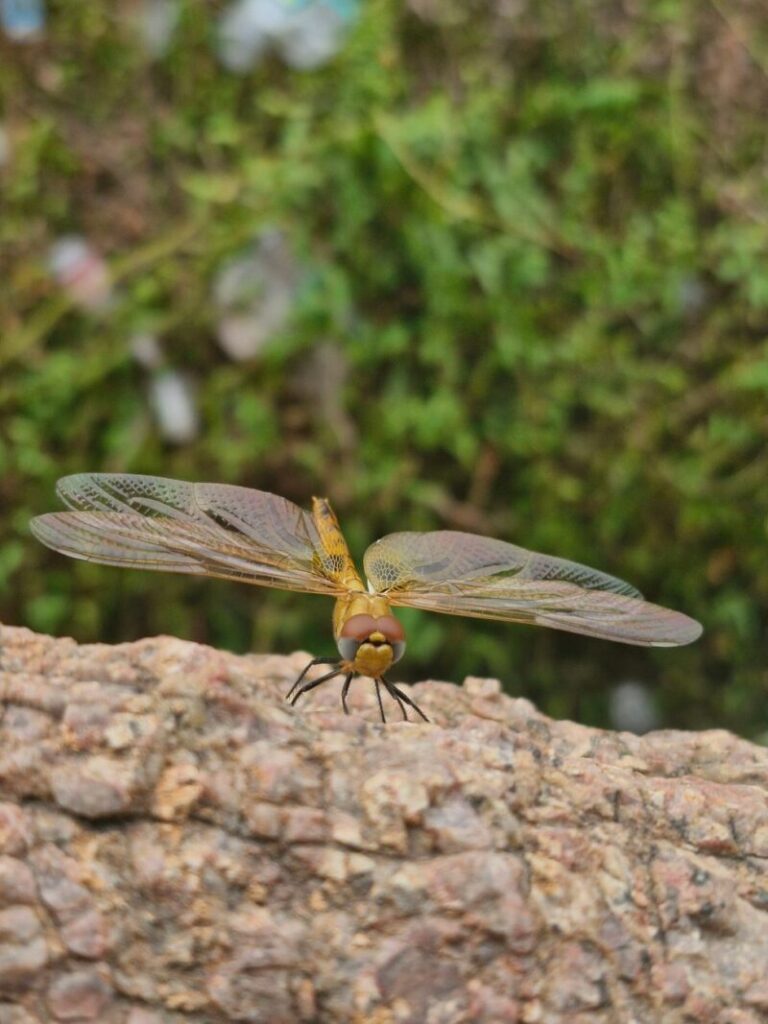
Most dragonflies spend months or years as aquatic nymphs before emerging as adults over a few days. When shallow ponds, storm pools or slow stream edges warm after rain, many nymphs can molt within the same week; freshly emerged adults cling to reeds and grasses for several hours with soft, pale bodies while wing veins and the exoskeleton harden. Observers should inspect emergent vegetation close to pond margins for teneral individuals rather than assuming every nearby dragonfly is migratory.
Weather That Concentrates Prey
Dragonflies require air temperatures above roughly 63°F to sustain active flight, so warm, calm weather after rain concentrates tiny prey such as mosquitoes and midges near water and low vegetation. Short, sunny spells with low wind speed often produce dense, localized hunting activity; these feeding aggregations can persist for hours and are driven by immediate prey availability rather than population-level movements.
Wind-Assisted Influxes and Migration
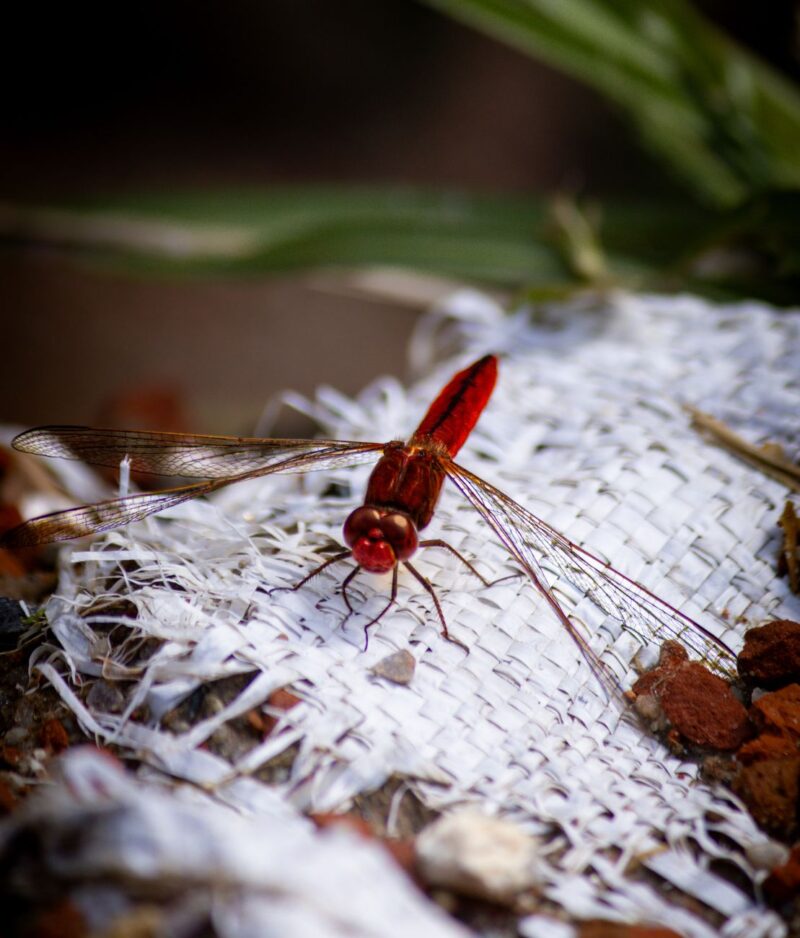
Certain species are capable of long-distance movement by using prevailing winds. The globe skimmer, Pantala flavescens, performs multi-generational transoceanic movements tied to seasonal wind systems and monsoon rains. When wind corridors align with regional weather patterns, migrants can arrive in waves and mix with resident skimmers and darners, producing mixed-species concentrations several kilometers from their natal wetlands.
Habitat Patches and Stopover Sites
Shallow, sunlit water and irrigated turf act as stopover resources during migration and for local refueling. Temporary storm pools, newly watered parks and shallow planting shelves in garden ponds attract dragonflies by providing emergent vegetation, resting perches and abundant aerial insects. Incorporating a graded planting shelf and emergent plants into a backyard pond increases its value as reliable habitat for hunting and oviposition.

Species That Drive Visible Bunches
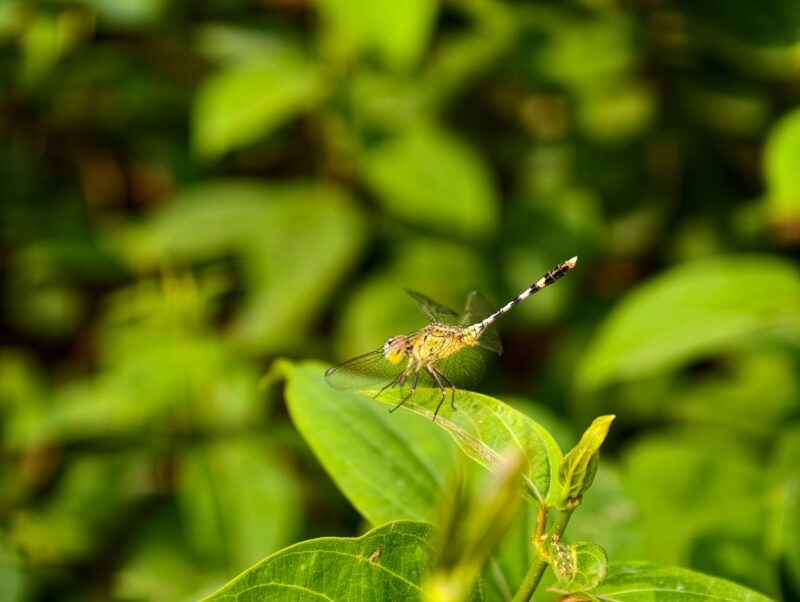
Some species appear in conspicuous numbers because of behavior and habitat preference. In many temperate areas, common green darner and globe skimmer produce visible pulses, while local skimmers and dashers dominate small-pond assemblages. Blue Dasher and Flame Skimmer frequently form local hunting concentrations over wetlands and open lawns during peak emergence periods.
How to Distinguish Emergence, Feeding Aggregations and Migration
- Soft, pale dragonflies clinging to vegetation near water indicate recent emergence.
- Persistent, localized hunting over a lawn or pond, with many mosquitoes present, signals prey-driven feeding aggregations.
- Directional flights in waves, often higher and moving together, point to migration or wind-driven influx.
What Homeowners Can Do to Encourage or Manage Dragonflies
Dragonflies are effective biological mosquito control. To encourage them, add shallow planting shelves and emergent plants such as cattails or native rushes, avoid steep-sided or heavily chlorinated containers, and allow some stormwater pooling in controlled landscape features. To reduce window collisions, use exterior screens or patterned decals on glass rather than insecticides; dragonflies do not bite or sting people.
Practical Timing and When to Expect Bunches
Local emergence peaks typically occur from late spring through mid-summer in temperate zones, when shallow water temperatures rise quickly. Migratory pulses are most common from late summer into autumn, but exact timing varies by species and regional weather. Short warm spells after rain produce the fastest and most visible spikes in local abundance.
Quick Field Guide Table
| Cause | Observable Signs |
|---|---|
| Local emergence | Soft-bodied adults on reeds, nearby ponds or puddles |
| Feeding aggregation | Repeated hunting over one lawn, many mosquitoes present |
| Migration/influx | Directional flights, mixed species, high altitude movement |
How Scientists Track Dragonfly Movements
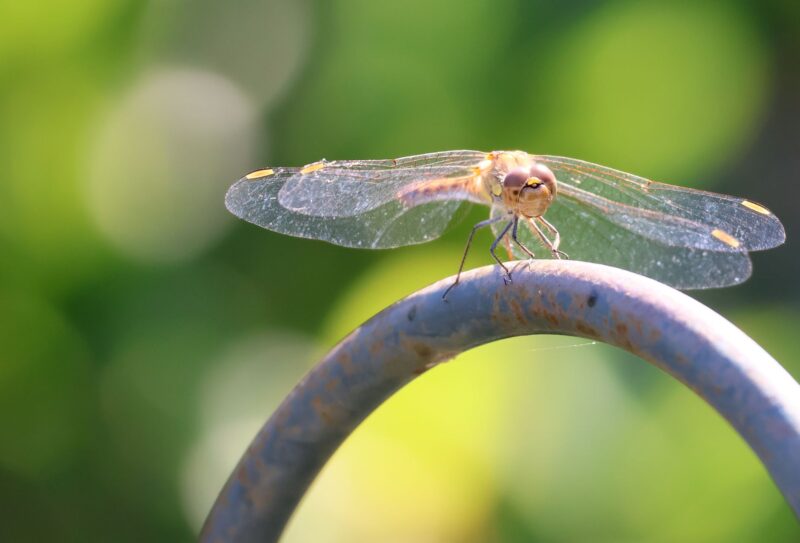
Researchers combine systematic field counts, citizen records, stable isotope analysis and population genetics to link individuals and populations to breeding regions and wind systems. Isotopic and genetic studies of Pantala flavescens reveal connections between monsoon-driven breeding pulses and long-distance movement, showing how ephemeral water bodies in distant basins can drive synchronized arrivals.
Field observations are most useful when paired with precise metadata: date, time, GPS location, habitat description and approximate counts. For those conducting regular surveys, basic tools include binoculars and a lightweight dragonfly net for capture-and-release identification in accordance with local wildlife regulations.
Sources and Further Reading
For synthesis on transoceanic movement and wind drivers see the Frontiers review on Pantala flavescens transoceanic migration network. Population-genetic and isotopic evidence linking migrations to distant breeding regions appears in the study on PubMed Central A Global Population Genetic Study of Pantala flavescens. Practical recording projects and observer guidance are available from the British Dragonfly Society Migrant Dragonfly Project.
Architecture Adrenaline has related coverage that complements field guidance: see the site’s Discover the Mystery of Dragonflies post for a lifecycle overview, the Swarm of Dragonflies feature for behavior-specific context, and the practical landscape advice in DIY natural swimming pools when designing backyard habitat shelves and planting zones.
Local sightings should be recorded with date, time, precise location and habitat notes and submitted to regional citizen-science platforms or local natural-history organizations to improve distribution and timing datasets. Reports that include species identification, counts and photographs provide the greatest scientific value.
Related Video
As the weather warms up, the number of dragonflies increases significantly. These insects thrive in environments with abundant water sources, making ponds and marshes their ideal habitats. Their presence often indicates a balanced ecosystem. Observing dragonflies can offer insights into the health of local wildlife and water quality.
More from Architecture Adrenaline
You can find more posts like this on our social channels where we share updates regularly. Follow us on Instagram to stay connected. Understanding why dragonflies are so prevalent can deepen appreciation for nature and its many components.