
This guide narrows 70 design ideas for your kitchen backsplash into practical, scan-friendly ideas so you can compare the strongest options before saving references or planning the next step.
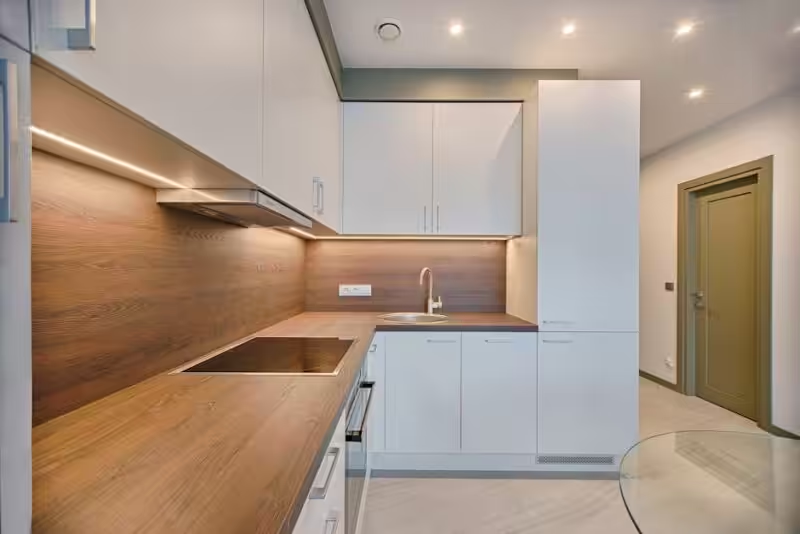
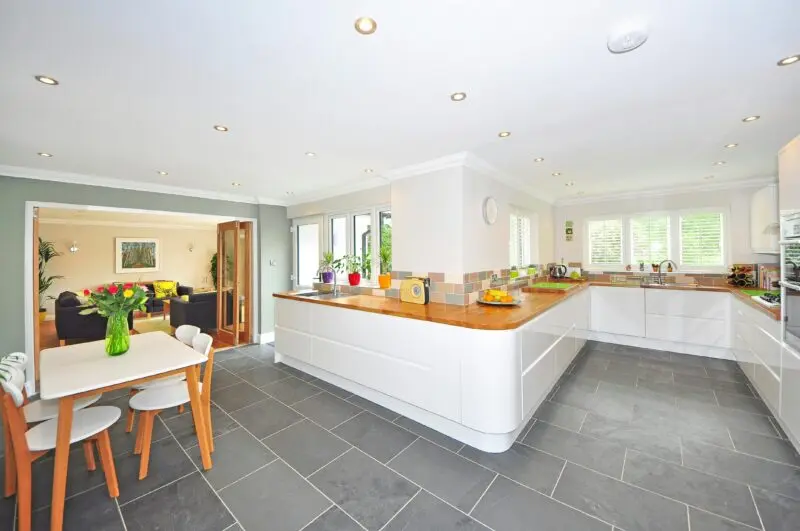
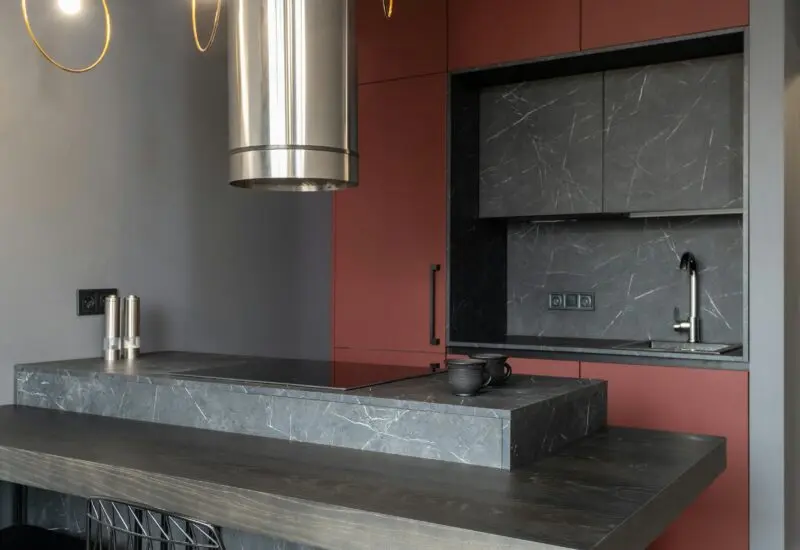
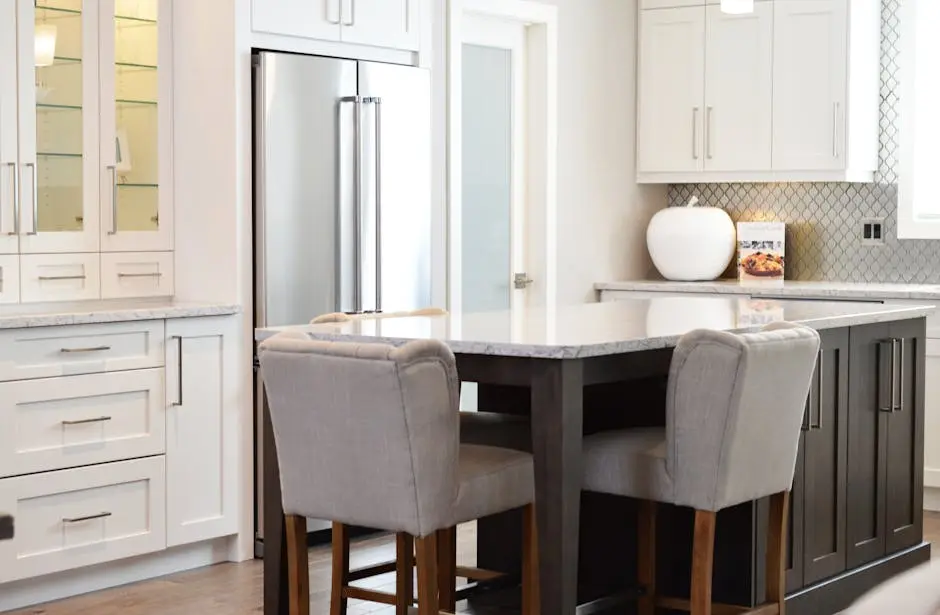
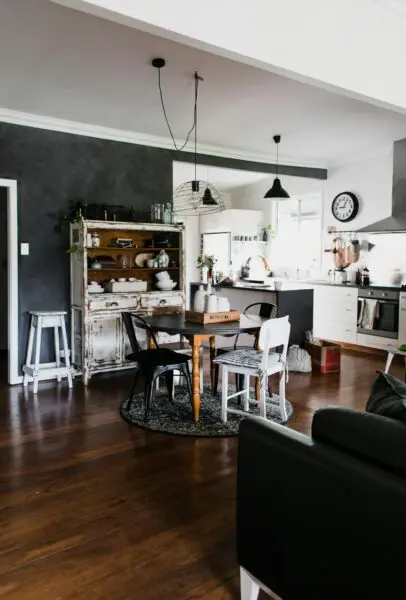
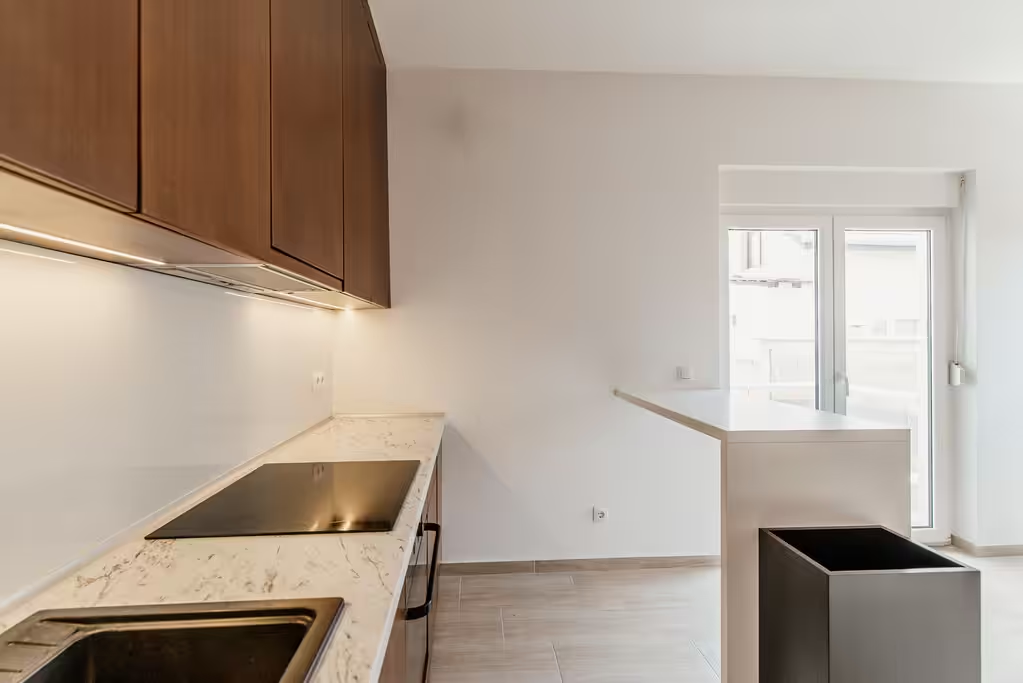
This listicle compiles 70 distinct kitchen backsplash design ideas prioritized for their architectural merit, material innovation, and practical considerations. Each entry offers a focused design takeaway with a note on benefits and tradeoffs, aiding Architecture Adrenaline readers comparing design applications in contemporary and renovation projects. The ranking derives from a synthesis of common design trends, material durability, aesthetic flexibility, and maintenance demands recognized in professional kitchen design literature and expert commentary.
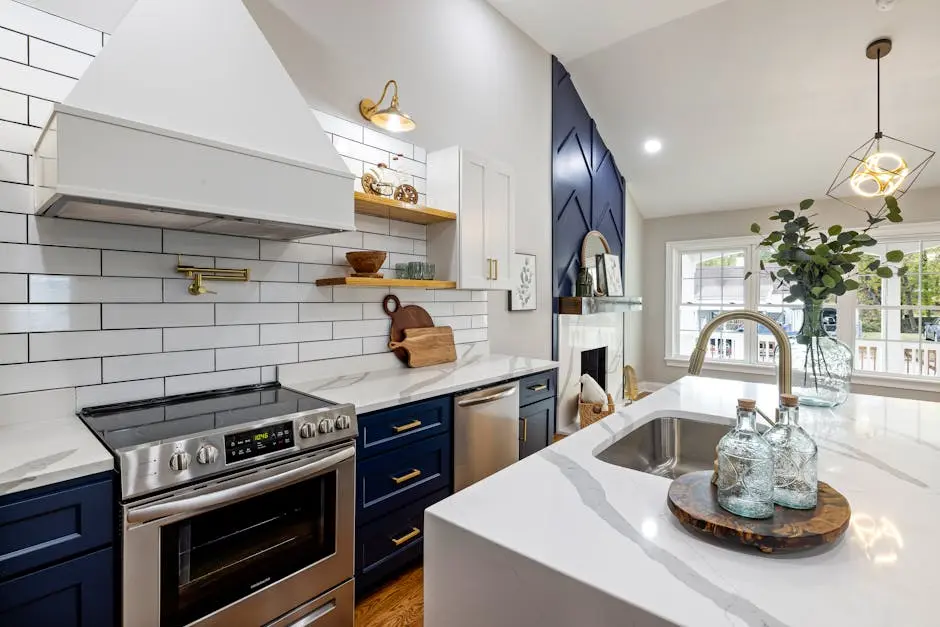
1. Classic White Subway Tile
Classic white subway tile serves as a timeless backsplash option offering clean lines and versatility across kitchen styles. Its affordability and ease of installation contribute to its popularity, though it requires regular grout maintenance to avoid staining.
2. Bold Geometric Patterns
Bold geometric patterns create dynamic visual interest and define the style personality of the kitchen. They work well as accent backsplashes but can overwhelm smaller spaces if overused.
3. Natural Stone Slab

Natural stone slabs like granite or soapstone provide a continuous surface with rich texture and color variation. They are durable but usually involve higher costs and need sealing to protect against stains.
4. Mirrored Glass Panels
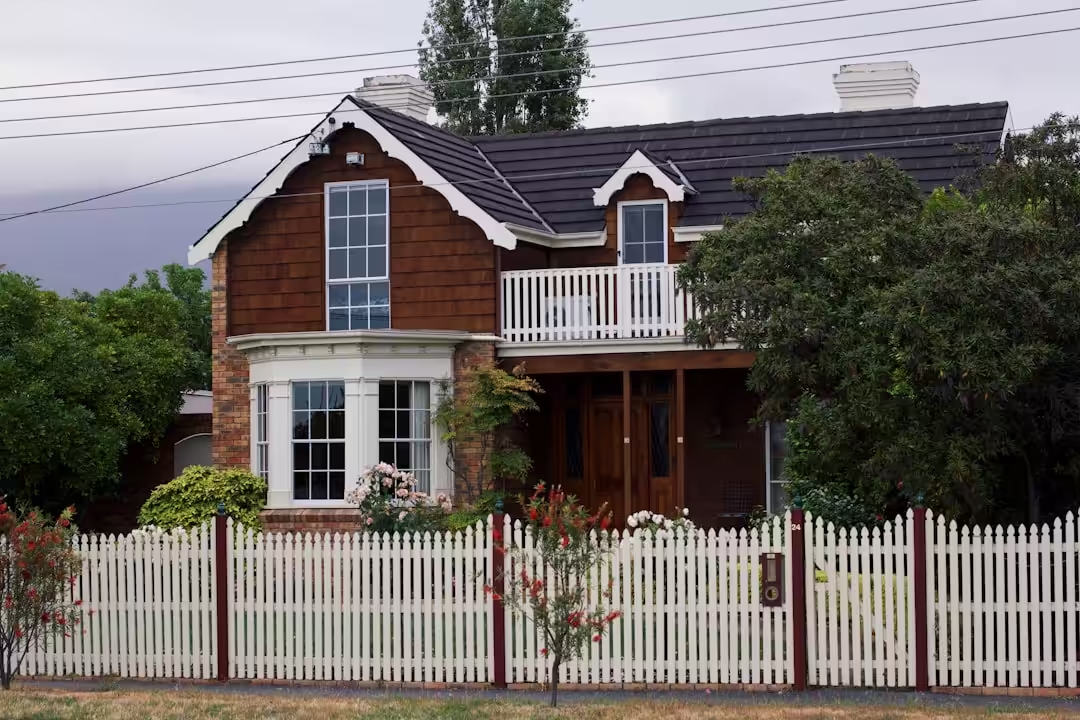
Mirrored glass panels reflect light to enhance kitchen brightness and perceived space. While visually striking, they demand frequent cleaning to maintain a pristine appearance.
5. Hand-painted Ceramic Tiles

Hand-painted ceramic tiles introduce artisanal charm and color. Their unique craftsmanship elevates bespoke kitchens but may involve more delicate maintenance and higher costs.
6. Stainless Steel Sheets
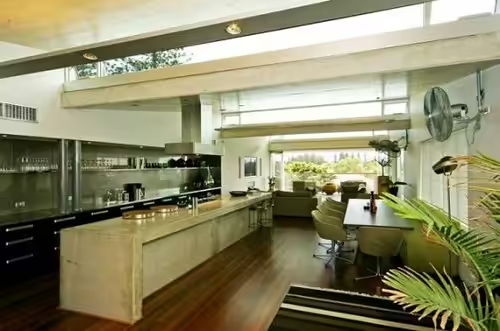
Stainless steel sheets provide an industrial, modern look and resistant surface to heat and moisture. They may show fingerprints easily and require polishing to reduce smudges.
7. Patterned Cement Tiles
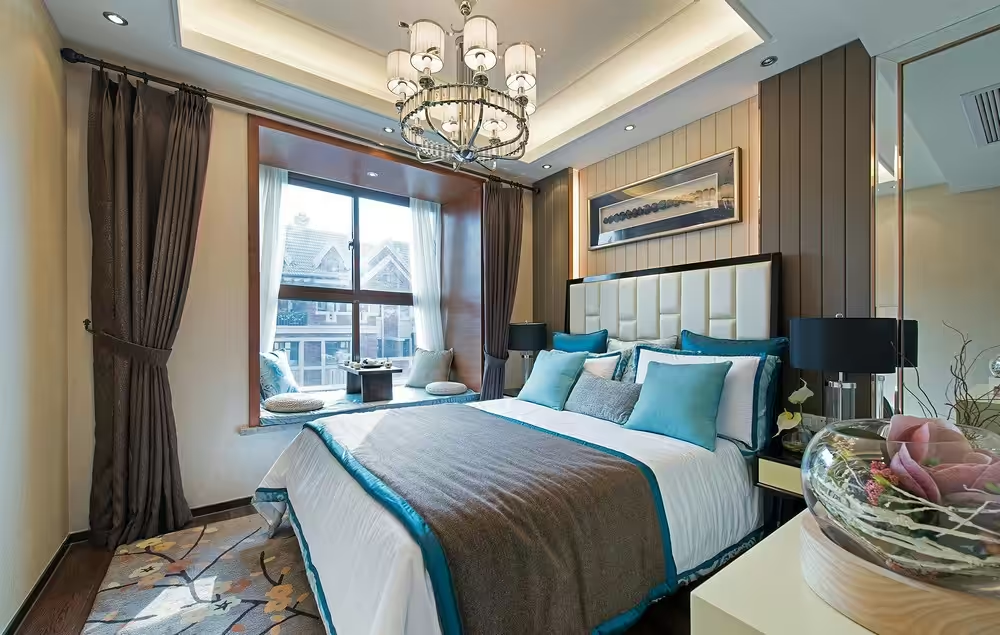
Patterned cement tiles offer rich textural and tonal possibilities with a matte finish. Heavy and porous by nature, they require proper sealing for durability in kitchen environments.
8. Recycled Glass Mosaic
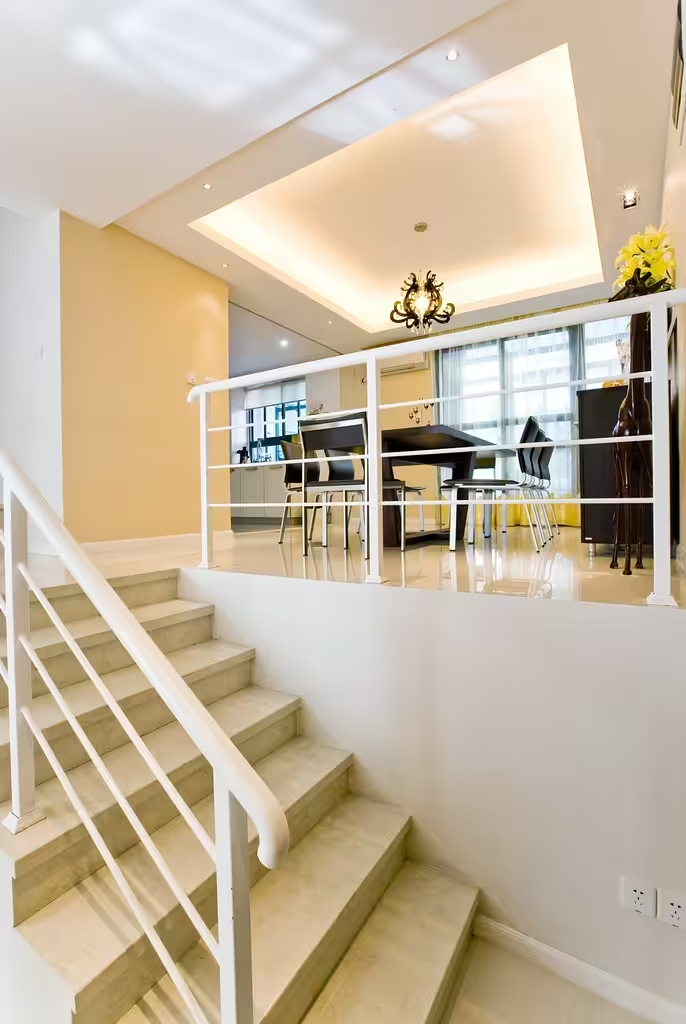
Recycled glass mosaics are eco-friendly options combining sustainability with luminous color effects. They can be pricier and need professional installation due to fragility.
9. Hexagonal Porcelain Tiles
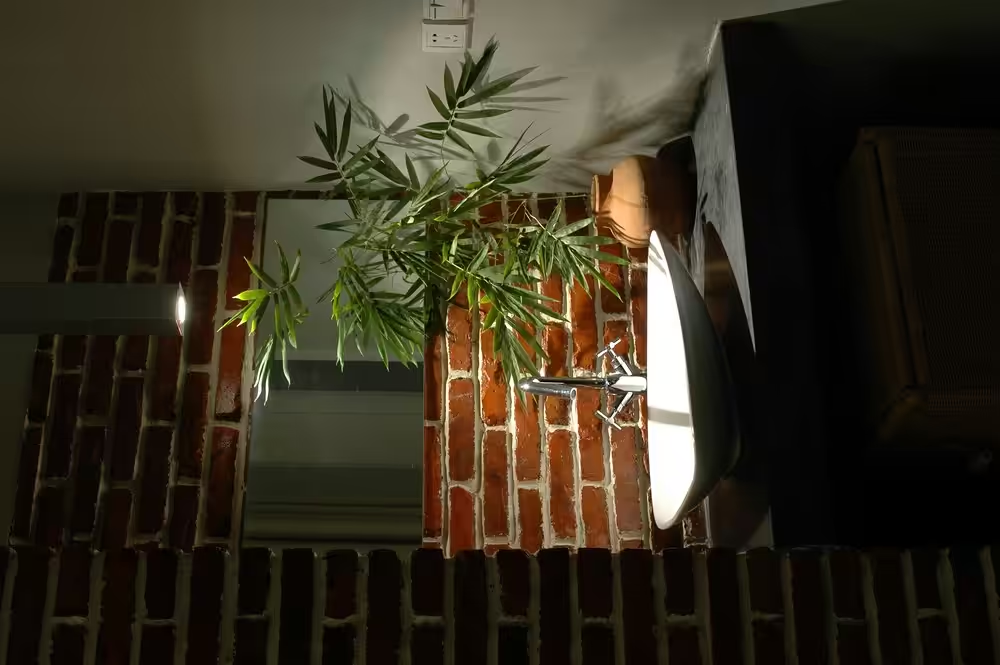
Hexagonal porcelain tiles blend modern geometry with practicality, providing water resistance and ease of cleaning. The grout lines in this pattern demand attentive upkeep.
10. Marble Mosaic Tiles
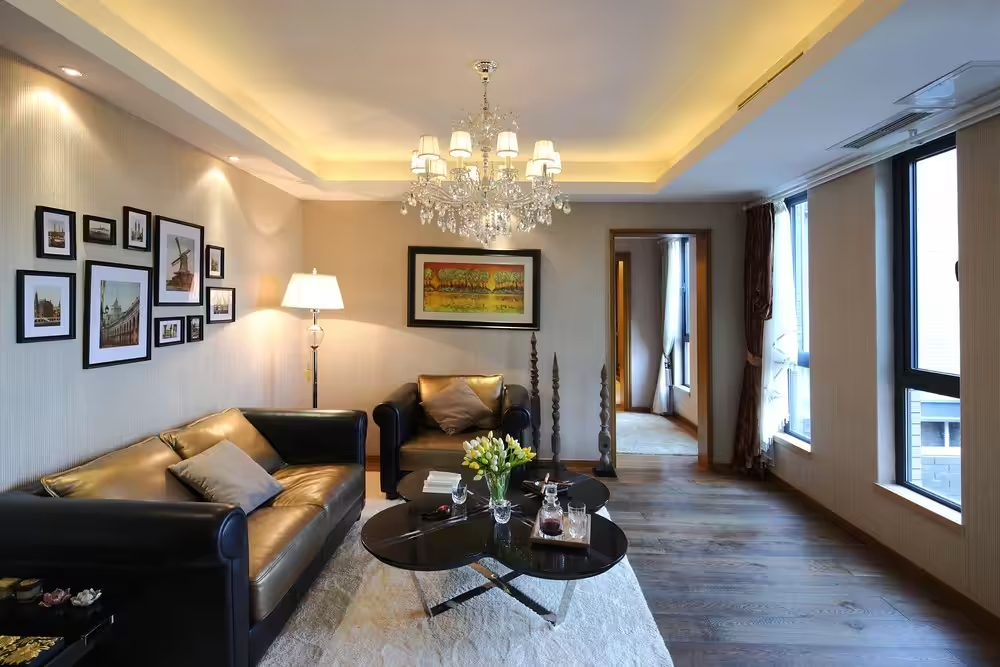
Marble mosaic tiles combine luxury and pattern within small-scale tiles. While visually elegant, marble is softer and more prone to etching compared to other stones.
11. Textured Brick Veneer

Textured brick veneer backsplashes introduce tactile, rustic appeal without the weight of full brick walls. Suitable for accent walls though potentially harder to clean.
12. Metallic Finish Tiles
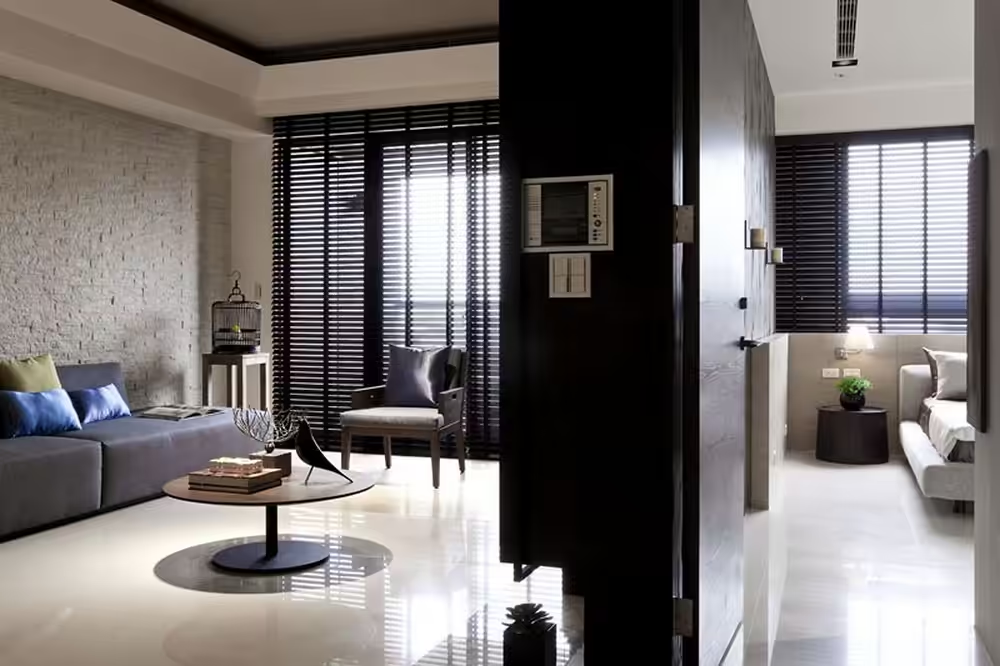
Metallic finish tiles offer subtle shimmer and reflectivity adding a modern luxe dimension. Susceptible to visible smudges, they pair best with contemporary cabinetry.
13. Large Format Porcelain Slabs
Large format porcelain slabs minimize grout lines for a sleek, seamless backsplash that mimics natural stone or concrete surfaces. Installation requires experienced craftsmanship to avoid cracking.
14. Vertical Wood Slats
Vertical wood slats create warmth and verticality to kitchen backsplash areas. Wood requires sealing against moisture and heat, limiting its placement near stoves or sinks.
15. Colored Mortar Joints
Colored mortar joints in tile installations highlight grout as a design feature, adding contrast or complementing tile color. Color fading and staining over time can alter initial appearances.
16. Penny Round Tiles
Penny round tiles introduce fine circular texture and classic retro style. Their small size results in numerous grout lines demanding regular cleaning.
17. Herringbone Stack
Herringbone stacked tile patterns provide dynamic visual movement with traditional rectangular tiles arranged in zigzag. Precision installation is essential for symmetry and finish.
18. Concrete Panels
Concrete panels as backsplashes offer a minimalist, industrial aesthetic with a durable matte finish. They can feel cold in residential kitchens and show stains if unsealed.
19. Glossy Lacquer Panels
Glossy lacquer panels are sleek, easy to wipe down, and available in vibrant colors. Susceptible to scratches and fingerprints, they suit minimalistic, contemporary designs.
20. Handmade Moroccan Zellige
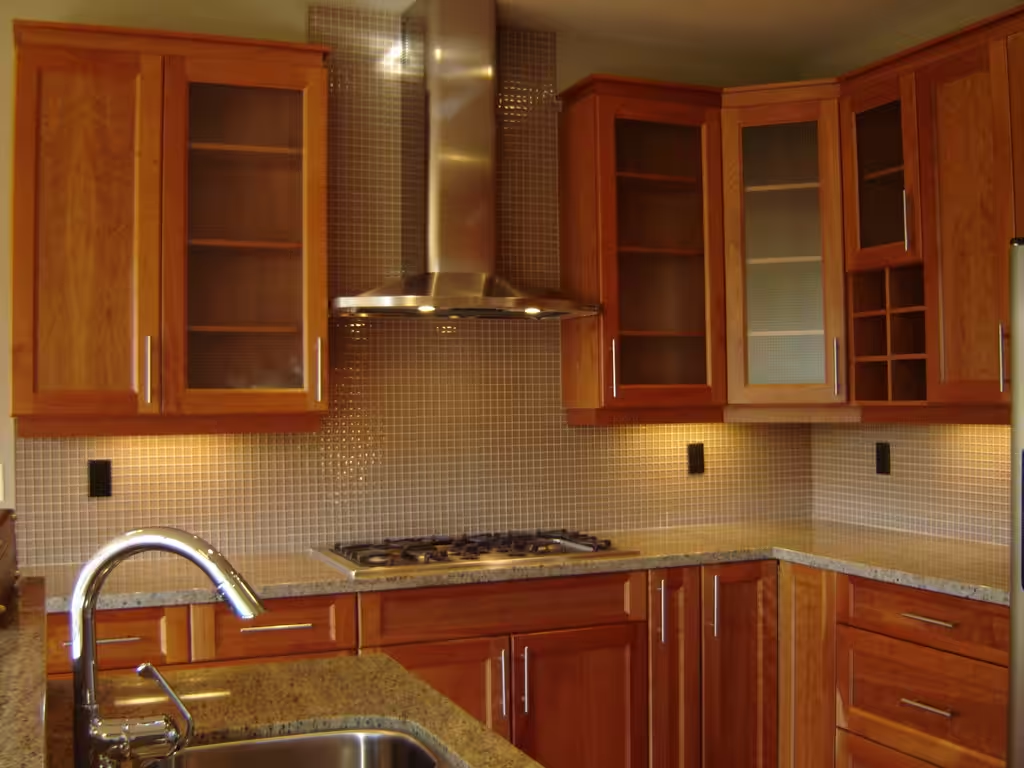
Handmade Moroccan Zellige tiles showcase artisanal craftsmanship and vibrant glazed surfaces in small mosaics. Their irregularities add texture but require careful sealing for kitchen use.
21. Chalkboard Paint
Chalkboard paint backsplashes enable customizable writing surfaces ideal for notes or menus. The surface is prone to stains and requires periodic repainting for upkeep.
22. Patterned Wallpaper with Protective Glass
Patterned wallpaper protected by clear glass offers visually rich backsplash surfaces with easy cleaning. Installation and changing designs can be more complex and costly.
23. Peel-and-Stick Tiles
Peel-and-stick tiles provide budget-friendly, DIY-friendly backsplash upgrades. While convenient, they may have durability and heat-resistance limitations compared to traditional tiles.
24. Transparent Resin Coating Over Art
Transparent resin coatings over artwork or photos create unique backsplashes with easy-to-clean surfaces. Resin panels may yellow over time when exposed to UV light.
25. Matte Black Tiles
Matte black tiles introduce bold modernity with understated, light-absorbing surfaces. They highlight smudges and dust, requiring frequent cleaning to maintain their look.
26. Classic Black and White Checkerboard
Classic black and white checkerboard patterns deliver high-contrast, graphic appeal suited to retro or contemporary kitchens. Pattern intensity can dominate smaller spaces if not balanced.
27. Slate Tile
Slate tile backsplashes contribute natural texture and dark earthy hues. Slate is porous and can chip or scratch without proper sealing.
28. Terrazzo Backsplash
Terrazzo backsplashes blend chips of marble, glass, and stone into cementitious or resin bases. They offer colorful integration but demand professional installation and sealing.
29. Mosaic Pebble Tiles
Mosaic pebble tiles add tactile organic texture with varied natural stone shapes. The uneven surface traps grime and challenges cleaning routines.
30. High-Gloss Glass Tiles
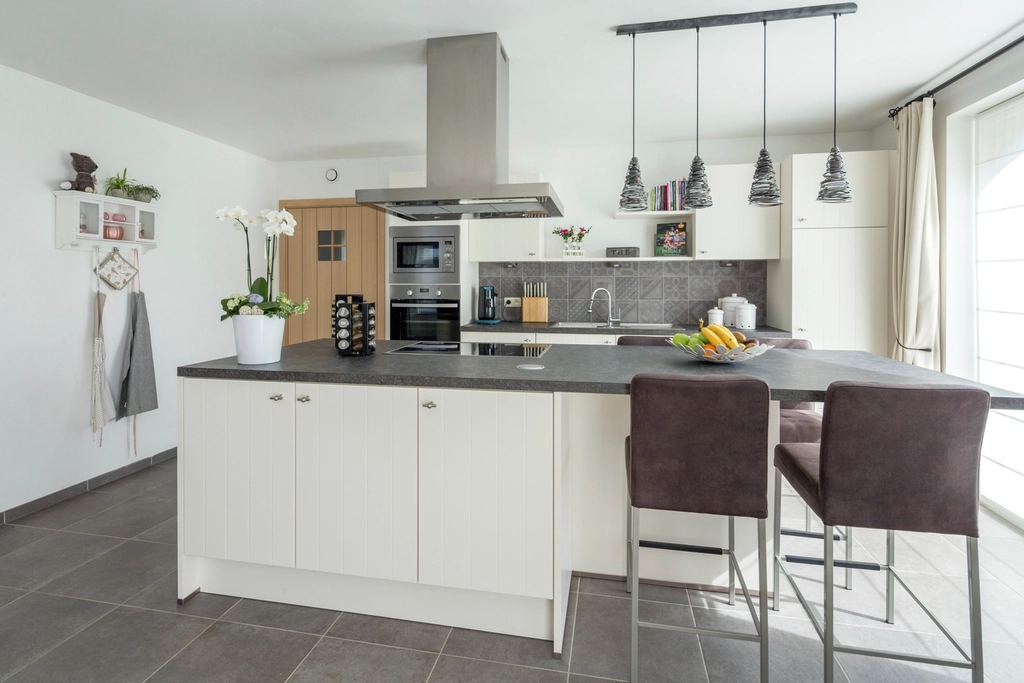
High-gloss glass tiles reflect light brilliantly and broaden kitchen ambiance. Installation requires level walls and grout joints must be maintained spotless.
31. Brick Pattern with Colored Grout
Brick pattern with colored grout emphasizes texture and adds depth through contrasting grout. The porous brick surface requires sealing for kitchen suitability.
32. Textured 3D Tiles
Textured 3D tiles incorporate depth and dimension as a visual focal point. Cleaning spaces between relief patterns is essential to prevent residue buildup.
33. Oversized Carrara Marble Slabs
Oversized Carrara marble slabs offer minimal joints and a signature luxurious veining pattern. Prone to scratching and etching, they demand careful use and maintenance.
34. Rustic Reclaimed Wood
Rustic reclaimed wood backsplashes incorporate sustainability and texture with natural imperfections. They are vulnerable to moisture and heat exposure, requiring protective finishes.
35. Blue and White Delft Tiles
Blue and white Delft tiles provide a traditional, historic aesthetic through intricate handpainted patterns. They function better as accent walls due to their strong visual presence.
36. Metallic Copper Tiles
Metallic copper tiles introduce warmth and reflective shine that patinas uniquely over time. Copper's softness requires consideration regarding scratches and dents.
37. Patterned Hardwood Panels
Patterned hardwood panels blend natural warmth with artistic geometric or linear motifs. Sealing and moisture control are crucial to prevent warping in kitchen zones.
38. Concrete-look Porcelain
Concrete-look porcelain tiles simulate industrial surfaces while offering porcelain's durability and moisture resistance. Choose apps with anti-stain finishes to avoid dulling.
39. Vertical Metal Strips
Vertical metal strips provide sleek linear accents and can create the illusion of height. Metals might require anti-corrosion treatments in kitchens with heavy cooking moisture.
40. Patterned Encaustic Tiles
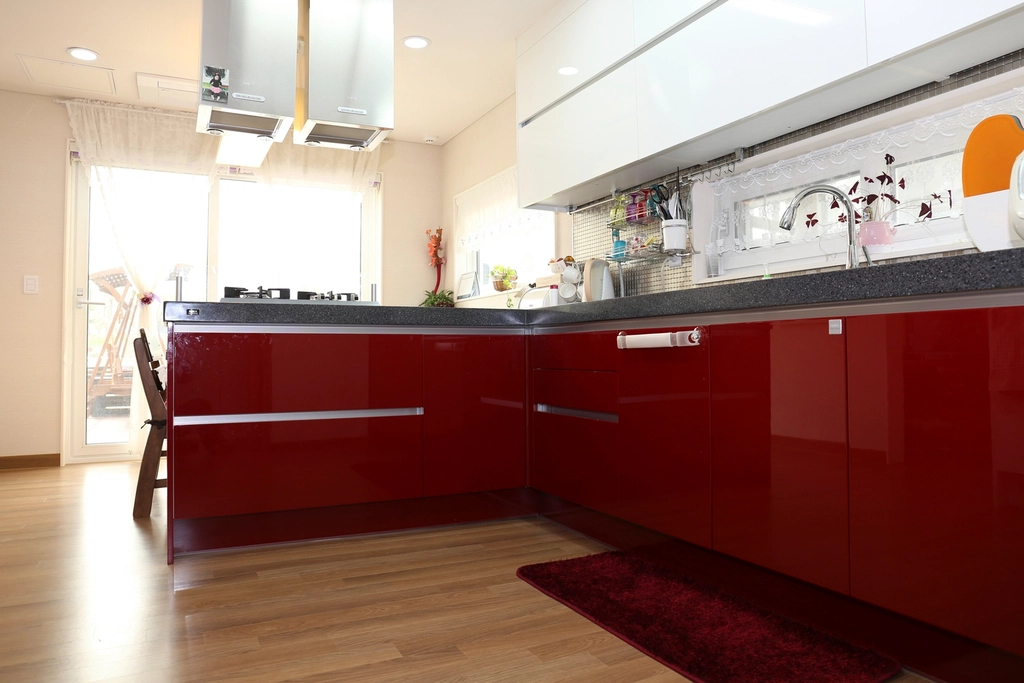
Patterned encaustic tiles revitalize historic cement tile designs with pigmented patterns embedded in multiple layers. Proper sealing is mandatory to resist kitchen spills.
41. Whitewashed Shiplap
Whitewashed shiplap backsplashes give soft texture and a light, airy farmhouse feel. Wood grain still requires sealing and can be affected by heat or grease accumulation.
42. Mosaic Floral Pattern
Mosaic floral patterns bring delicate artistry and color vibrancy within small tile groups. Choice of grout and tile porosity affects longevity in high-use kitchen zones.
43. Iridescent Glass Tiles
Iridescent glass tiles change color with light angles, adding dynamic visual interest. They require precise installation to ensure consistent alignment and grout finish.
44. Glossy Ceramic Subway Tiles
Glossy ceramic subway tiles marry classic subway layout with shine for vibrant light reflection. Risk of fingerprints and water spots calls for regular cleaning.
45. Minimalist Solid Color Panels
Minimalist solid color panels favor sleek, monotone fields eliminating grout lines for a clean look. Surface scratches become more apparent and color options may be limited.
46. Natural Slate with Texture
Natural slate with texture presents rugged, earthy finishes appealing for rustic or contemporary kitchens. Slate surfaces may darken or stain and should be sealed regularly.
47. Moroccan Tile Motifs
Moroccan tile motifs replicate intricate geometric and floral themes rooted in Islamic art. Often used as focal points due to their busyness and strong cultural references.
48. High-contrast Grouted Tiles
High-contrast grouted tiles use stark grout colors to emphasize tile layout patterns. Grout can discolor and detract from intended effect if not maintained well.
49. Textured Stucco Finish
Textured stucco finishes offer a plaster-like wall surface with subtle unevenness. While durable, stucco backsplashes require sealing to resist sweat, oils, and cooking residue.
50. Smooth Polished Quartz
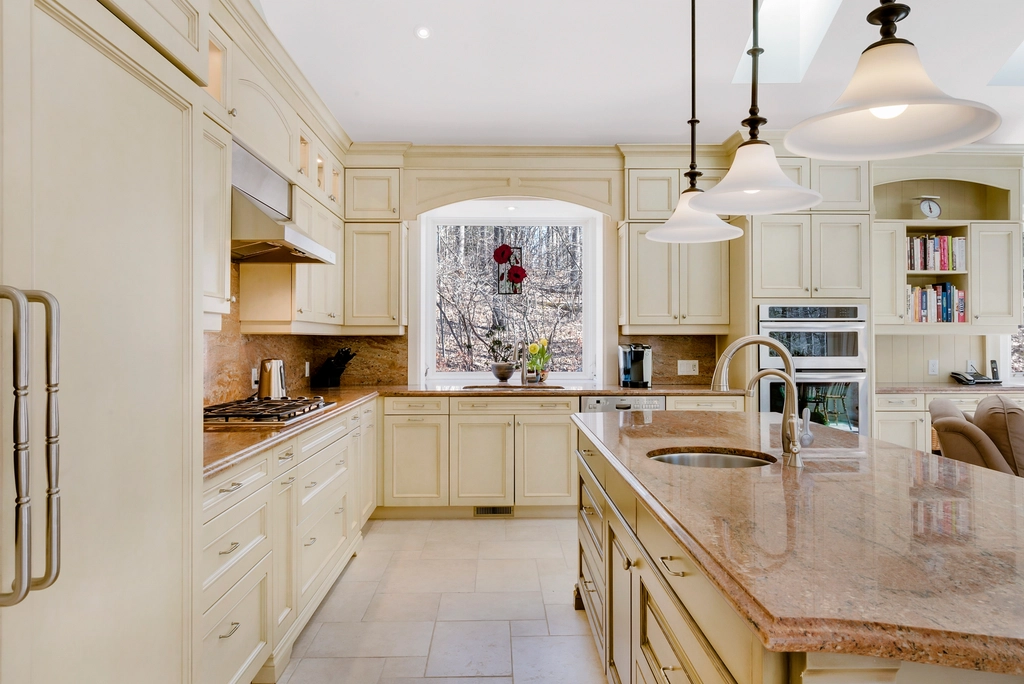
Smooth polished quartz backsplashes deliver a durable, nonporous surface with reflective shine. Their engineered consistency and stain resistance support heavy-use kitchens well.
51. Chevron Pattern Tiles
Chevron pattern tiles form a zigzag linear design offering movement and an alternative to traditional herringbone. Their installation demands accuracy for balanced symmetry.
52. Mosaic Glass with LED Backlighting
Mosaic glass tiled backsplashes with LED backlighting create ambient illuminated kitchen walls. Electrical installation and tile fragility necessitate professional handling.
53. Warm Terracotta Tiles
Warm terracotta tiles introduce earthy reds and orange tones with a time-worn appeal. Their porousness requires sealing and they can be prone to chipping.
54. Multicolor Brick Pattern
Multicolor brick pattern combines various brick hues for a lively and textured backsplash. Sealing and grout color must be chosen carefully to unify disparate bricks.
55. Glass Blocks
Glass blocks add translucent shapes diffusing natural light. They resist moisture but tend to protrude from the wall, limiting backsplash depth flexibility.
56. Natural Bamboo Panels
Natural bamboo panels emphasize sustainability and warm organic texture. Bamboo must be treated against moisture and heat to function properly in kitchens.
57. Metallic Accent Strips
Metallic accent strips serve as decorative insets or borders within tile layouts to add shine and dynamism. They require flush installation and resistant finishes to avoid tarnishing.
58. White Marble with Dark Veining
White marble with dark veining offers a striking contrast and classic elegance. Marble softness requires attentive sealing and gentle cleaning agents.
59. Moroccan Metallic Mesh
Moroccan metallic mesh combines metalwork with geometric backsplash designs projecting artisanal and industrial aesthetics. Maintenance against corrosion and grime is critical.
60. Subway Tiles with Gradient Color
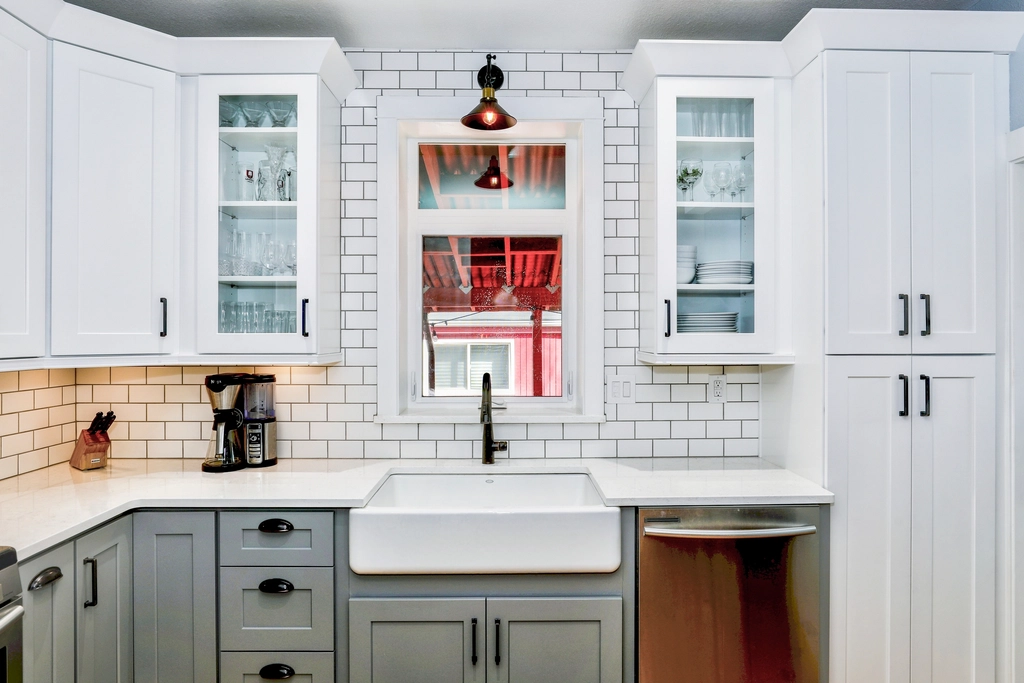
Subway tiles with gradient color display a subtle color shift to modernize the classic tile arrangement. Color mismatch risk exists if tiles come from different production batches.
61. Antique Tin Tiles
Antique tin tiles reproduce vintage pressed-metal ceilings as backsplashes with detailed embossed patterns. They may require polishing and protective coating to maintain appearance.
62. Patterned Porcelain with Matte Finish
Patterned porcelain tiles with matte finish balance decorative motifs with understated sheen, suitable for durable, low-glare backsplashes. Matte surfaces can show fingerprints subtly.
63. Multisized Mosaic Tiles
Multisized mosaic tiles mix tile sizes for an organic patchwork effect adding visual texture. Increased grout area may require careful cleaning strategies.
64. Colorful Hand-glazed Tiles
Colorful hand-glazed tiles offer bright saturation and variation highlighting artisanal production. Hand-glazed surfaces often have unique imperfections and require sealing.
65. Patterned Wallpaper with Matte Finish
Patterned wallpaper with matte finish protected under glass delivers rich textures without tile grout. Longevity depends on the quality of wallpaper and glass installation method.
66. Textured Plaster Wall
Textured plaster walls create a painterly, sculpted backsplash visual without tiles. Plaster must be sealed thoroughly to withstand kitchen moisture and cooking grease.
67. Patchwork Ceramic Tiles
Patchwork ceramic tiles combine various patterns and colors randomly for a lively, eclectic backsplash. Style cohesion and color harmony require careful tile selection.
68. Blue Hues Gradient Glass
Blue hues gradient glass backsplashes achieve subtle transitions in color enhancing kitchen depth with easy wipe-clean surfaces. Glass edges need protective finishing to prevent chipping.
69. Concrete with Embedded Stones
Concrete with embedded stones presents a rugged surface combining raw concrete with natural aggregates for texture. Surfaces are porous and require sealing to prevent stains and damage.
70. Leather-look Backsplash Panels

Leather-look backsplash panels simulate natural leather texture with durable, wipe-clean materials. Heat resistance and moisture immunity vary by panel composition and must be verified before installation.
Frequently Asked Questions
- What is the most durable material for kitchen backsplashes?
- Materials like porcelain tiles, stainless steel, and quartz slabs are among the most durable, offering resistance to moisture, heat, and staining.
- How important is grout color in backsplash design?
- Grout color significantly affects overall backsplash aesthetics; contrasting grout emphasizes patterns, while matching grout offers seamless looks but can hide dirt less.
- Can I install a backsplash myself?
- DIY installation is feasible for peel-and-stick tiles or basic subway tiles, but complex patterns, materials like stone slabs, and professional sealing often require expert installation.
This comprehensive ranked list of 70 kitchen backsplash design ideas combines architectural insight with practical considerations for material selection, pattern, and maintenance. From classic subway tiles to innovative materials like metallic mesh or leather-look panels, each option carries unique attributes that impact durability, aesthetic coherence, and upkeep. Architecture Adrenaline readers are encouraged to weigh tradeoffs carefully in relation to their kitchen layout, renovation scope, and design goals to select backsplashes that balance functionality with compelling visual expression.
For more architecture, cities, public spaces, materials, and design ideas, browse Architecture Adrenaline’s latest guides.
