
Flowering is usually a sign the aloe vera is mature and healthy; blooms are normal, rarely harmful, and occasionally used fresh or dried for topical or culinary purposes, but they are not a direct substitute for the well‑studied leaf gel and require species identification and caution before any internal use.
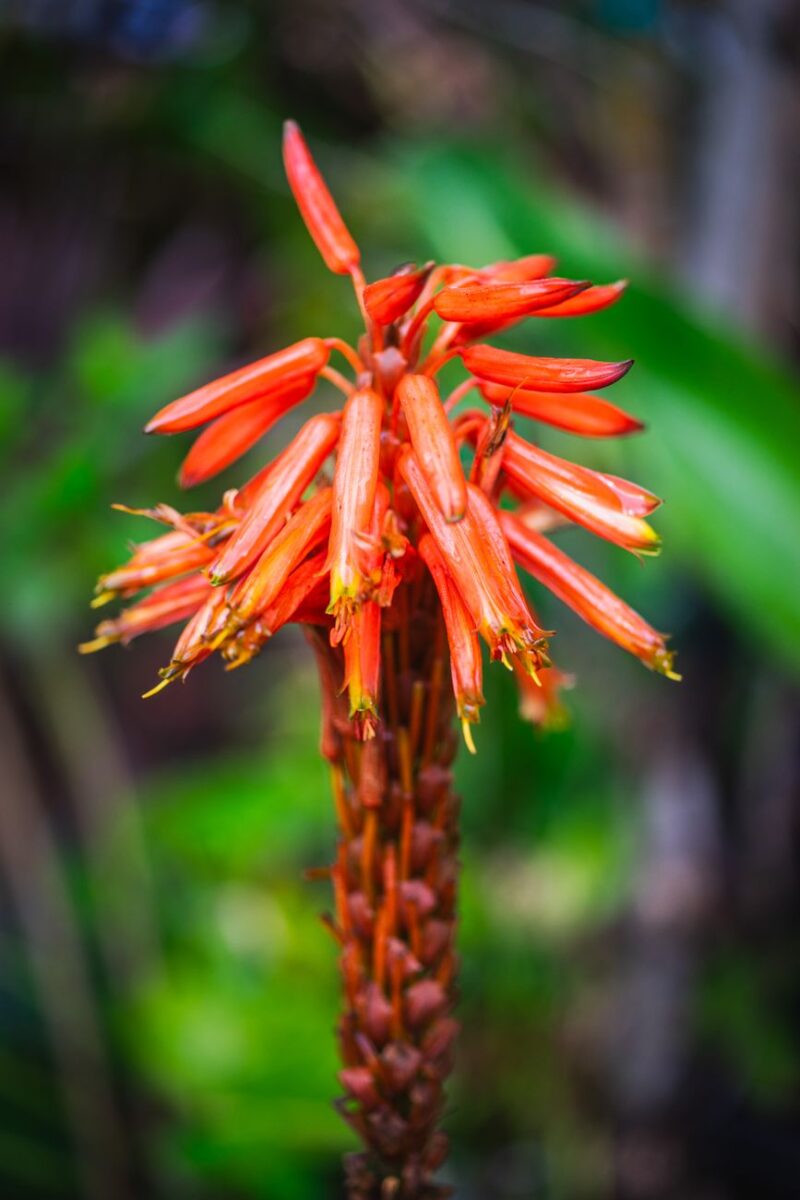
What the Aloe Flower Actually Is
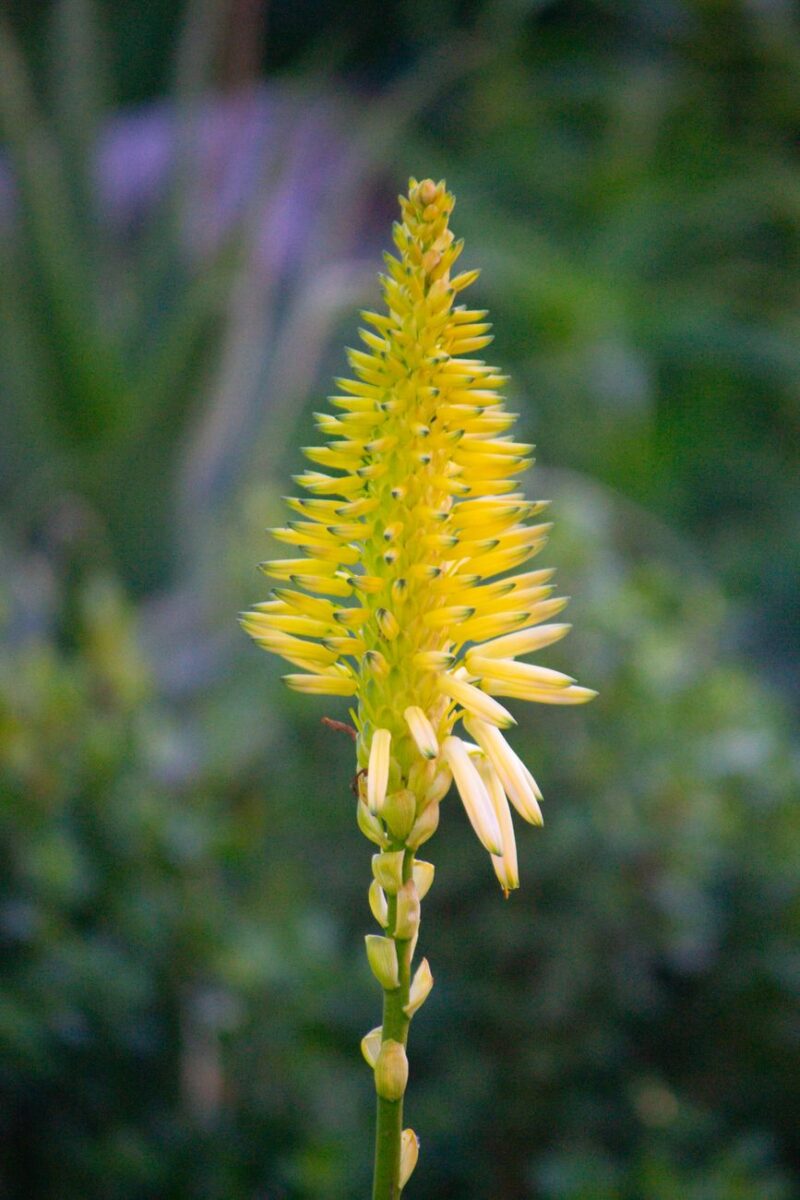
The aloe flower is an inflorescence: a vertical stalk that emerges from the rosette and bears a dense raceme of tubular blooms that open from the bottom upward. True Aloe vera produces pendulous yellow tubular flowers roughly 25-35 mm long; orange or red blooms typically indicate a different aloe species or hybrid and should prompt closer identification before any use.
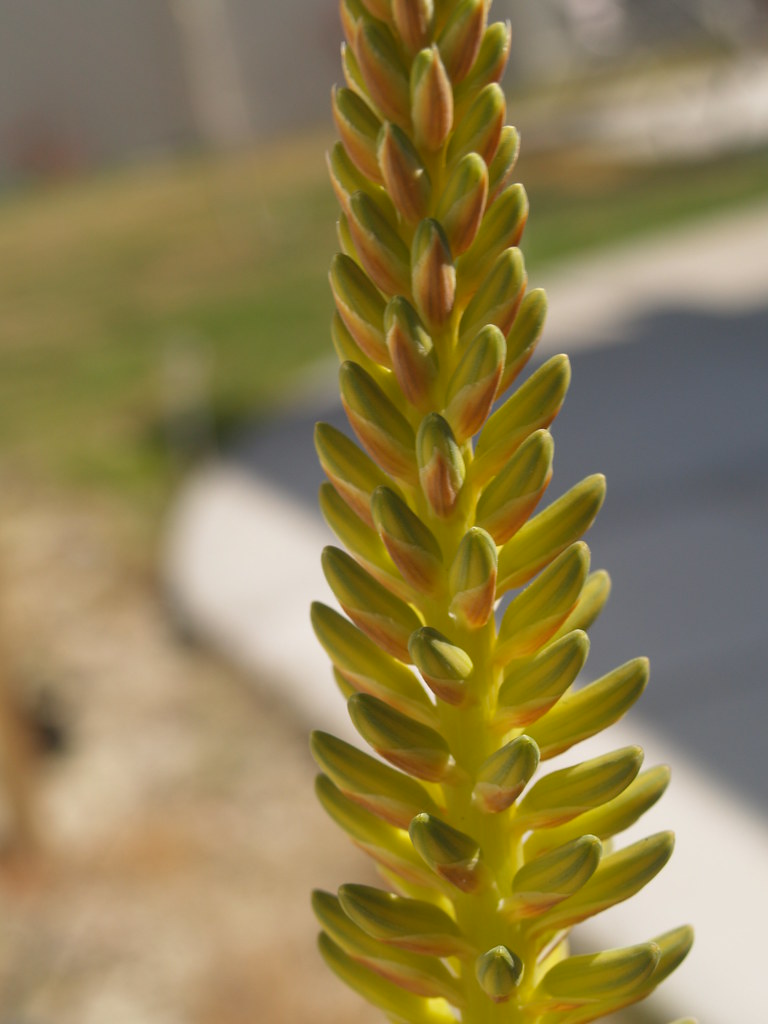
When and Why Aloe Vera Blooms
Aloe vera commonly flowers outdoors in late winter to early spring once the plant reaches maturity, often after several years. Triggering factors include plant maturity, a cool winter rest period near 50 to 60 °F, high seasonal light levels and reduced watering during dormancy; indoor plants usually fail to replicate this seasonal sequence and so bloom infrequently.
For cultivation details and care notes on flowering behavior and winter rest, see the UF/IFAS guidance: Aloe Vera - Gardening Solutions (UF/IFAS).
Five Practical Benefits of the Flowers
- Seasonal form and scale: the flowering stalk adds vertical structure for several weeks and can change a succulent grouping’s proportion and sightlines.
- Pollinator resource: tubular nectariferous blooms attract hummingbirds and long‑tongued pollinators in mild climates, improving microhabitat biodiversity.
- Topical potential: isolated studies identify flavonoids and phenolics in flower extracts with antioxidant and moisturizing actions in cell and tissue assays.
- Culinary tradition in some cultures: unopened yellow blooms are sometimes prepared as a lightly cooked vegetable or steeped as a tea after careful removal of latex and other nonedible parts.
- Genetic propagation: allowing flowers to set seed is the only straightforward route to true sexual propagation when seed viability and parentage are desired for breeding.
Laboratory work linking a flower constituent, isoorientin, with keratinocyte differentiation and hydration markers is summarized in the PubMed article Effects of Aloe vera Flower Extract and Its Active Constituent Isoorientin on Skin Moisturization, which supports flower extracts as a plausible topical moisturizer in early-stage studies.
Five Risks and Practical Limits
Do not assume parity between flower tissue and leaf gel chemistry. Key cautions:
- Latex contamination. The yellow latex beneath leaf rind contains anthraquinones such as aloin; even trace latex can cause gastrointestinal upset if ingested and can irritate sensitive skin.
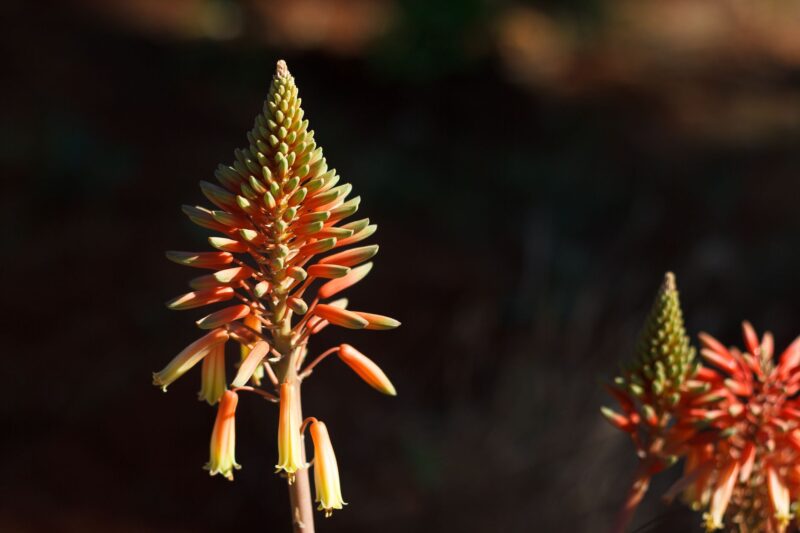
- Species misidentification. Orange or red flowers often mark a different Aloe species with distinct chemistry; identify the plant before any topical or culinary use.
- Evidence gap. Flower extracts have preliminary in vitro and animal evidence but lack the clinical depth available for processed leaf gel products.
- Pet hazard. Aloe species are reported as potentially toxic to cats and dogs, mainly from chewing leaves and ingesting latex, so keep animals away from harvested material.
- Pregnancy and drug interactions. Avoid internal use of any aloe preparation during pregnancy or while on medications without clinician input.
For official safety summaries about topical and oral aloe products consult the existing NCCIH overview linked in the original safety paragraph.
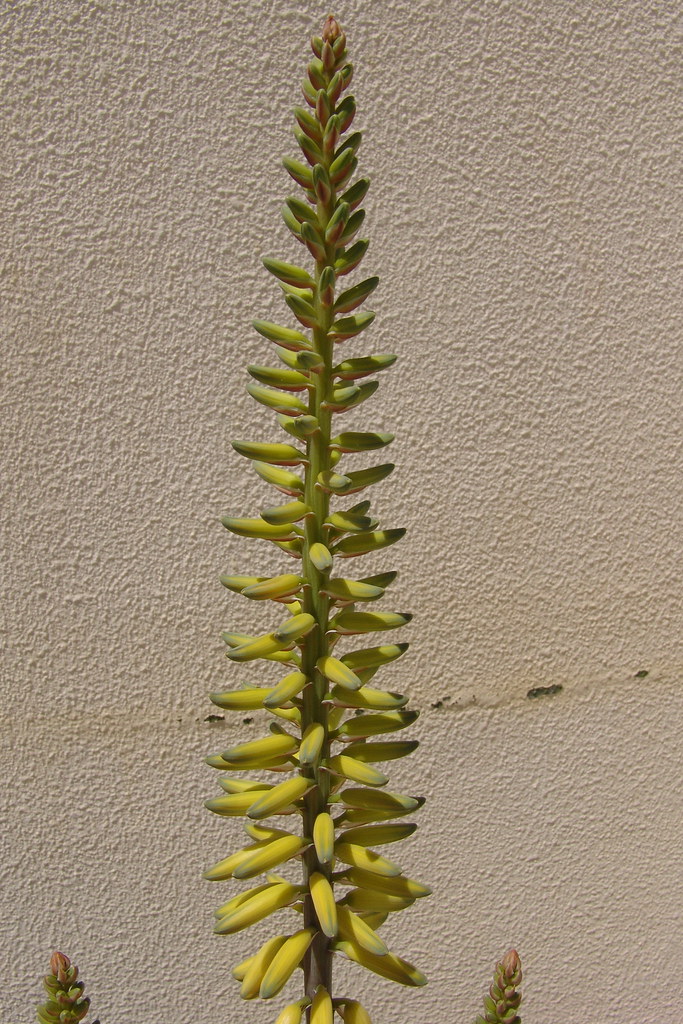
Quick Flower Facts at a Glance
| Topic | Practical Note |
|---|---|
| Typical Color | Yellow for true Aloe vera; orange/red usually indicates another species |
| Bloom Season | Late winter to early spring outdoors; indoor timing is irregular |
| Edibility | Used in some culinary traditions after careful latex removal; do not eat raw without species ID |
How to Care for an Aloe While It Is Flowering
Let the inflorescence develop if you want pollination or seed. Maintain bright light, fast-draining soil and the plant’s normal watering rhythm; reduce watering only if the crown shows rot symptoms. If the stalk becomes top-heavy, stake it to avoid breakage and remove the spent stalk at the base after the last petal falls so the plant redirects stored carbohydrates to leaves and offsets.
For basic indoor-plant placement and styling that references aloe as an air-purifying option, see the site’s guide on indoor plant selection: Indoor Air Purifying Plants: Top Picks for Clean Air at Home.
How to Identify True Aloe Vera Before Using Flowers
True Aloe vera, often listed as Aloe barbadensis sensu lato, has smooth, thick, nearly spineless leaves, a compact rosette habit and yellow tubular flowers. If your blooms are orange, red or pink, stop and verify the species before any use; North Carolina Extension provides identification keys, growth habit and leaf-characteristic notes useful for confirmation: Aloe vera (Aloe Vera) - NC State Extension.
For troubleshooting common growth problems that can affect flowering and leaf health, the site’s care article on yellowing aloe provides practical diagnosis and correction steps: Aloe Plant Turning Yellow: Causes and Solutions.
How to Prepare Flowers Safely If You Use Them
If you plan a topical infusion or tea, follow a conservative protocol: confirm species; harvest clean, undamaged blooms; rinse well; remove any visible latex and green base tissue; use only petals or thoroughly cleaned floral tissue; dry in a low-temperature dehydrator or shaded ventilated area; steep gently rather than boil to protect volatile compounds; and patch-test topically before larger application.
When purchasing aids for harvest, drying and potting to support flowering, consider care items such as coarse cactus mix, a moisture meter and a small dehydrator; a quick shopping option is listed under Aloe vera flower care products.
What the Research Actually Shows
Chemical analyses detect flavonoids, phenolics and other small molecules in aloe flowers that vary with developmental stage. One laboratory study links isoorientin from flower extracts with markers of keratinocyte differentiation and improved skin hydration in vitro, which supports a skin-moisturizing mechanism but not clinical use claims.
A separate PubMed report finds that combining Aloe vera flower material with leaf gel produced synergistic effects on wound healing in animal models, implicating MFAP4 signaling among other pathways; this suggests floral material might augment some topical pathways when combined with gel, but the data remain preclinical: Synergistic effect of Aloe vera flower and Aloe gel on wound healing.
Practical Editorial Judgment
Flowers are an interesting secondary resource, not a replacement for standardized leaf-gel products. For household use, prioritize correct species identification, remove latex, and favor topical trialing over ingestion. Use commercially prepared extracts when a tested, labeled product exists and consult a clinician before internal use during pregnancy or when taking medications.
If the plant’s bloom timing or appearance is important to your design or maintenance plan, the site’s spa and decor article discusses integrating easy-care plants such as aloe into interiors: Spa Decor.
Related Video
The benefits and potential drawbacks of the aloe vera flower have sparked much discussion. While some claim the flower can aid in various health aspects, caution is warranted due to the lack of extensive research. Individuals should consider their specific health situations and consult professionals when needed.
More from Architecture Adrenaline
For further insights and similar topics, check out our posts on social channels. You can find interesting content like this on our Instagram. It's always helpful to stay informed about the various aspects of natural remedies and their effects.