
Yes. You can cut Monstera aerial roots when they obstruct furniture, rot, or create a tangled mess; do so selectively with clean tools and a plan to redirect or use removed material for propagation so the plant maintains stability and vigor.

Why Monsteras Produce Aerial Roots
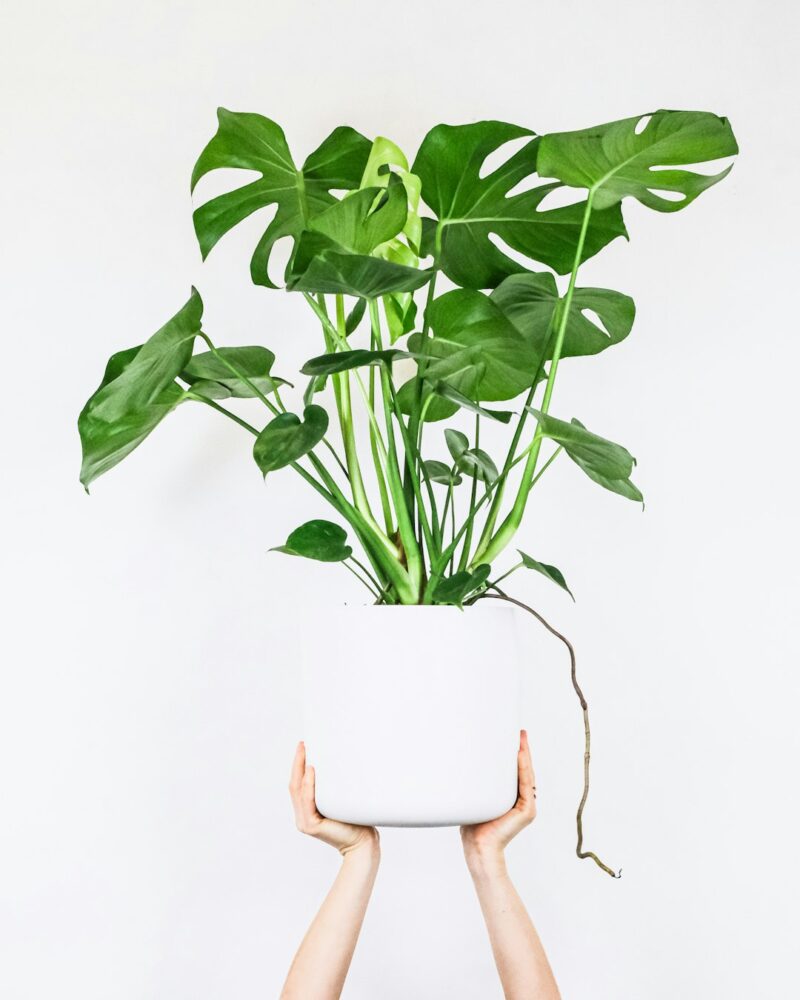
Aerial roots function as climbing anchors and moisture sensors. In the wild, they attach to tree trunks, capture humidity and decomposing organic matter, and stabilize long vines. Indoors, they supplement the subterranean root system by finding pockets of moisture on moss poles or pot rims and by helping the stem anchor to supports.
When Cutting Is Appropriate
Cut roots that cause clear problems: snagging clothing, blocking circulation around furniture, smelling foul, or developing soft, dark tissue. Preserve roots that are actively anchoring the plant to a support you intend to keep. For mostly cosmetic trimming, shorten tip lengths rather than remove every aerial root at once to avoid an abrupt loss of anchorage.
Tools and Timing for Safe Trimming
Use sharp pruning scissors or a sterile knife. Wipe tools with 70% isopropyl alcohol before and after each cut. Trim in late spring to early summer so wounds heal during the plant’s active growth period. Make conservative cuts in several sessions rather than stripping many roots at once to reduce stress on the vine.
Step-by-Step Cutting Procedure
- Decide for each aerial root: keep, shorten, redirect, or remove. Prioritize structural anchors and nodes that could be used for propagation.
- Sanitize tools and clean the cutting point between cuts.
- Cut with a single, clean stroke a few millimeters from the stem. Avoid slicing into stem tissue or nodes.
- For rotten roots, cut back to firm, white or tan tissue and discard the diseased material.
- After trimming, keep light and humidity steady and inspect the plant over the next 1 to 2 weeks for signs of shock or infection.
Alternatives to Cutting
Redirect roots to preserve function. Attach aerial roots to a moss pole or coir stake to let them thicken and form new anchors. Tuck vigorous aerial roots into the potting mix where they meet the stem to encourage soil rooting. For minimal intervention, shorten only the most intrusive tips and leave the remainder to continue supporting the plant.
Propagation Opportunities With Aerial Roots
Aerial roots help establishment but are not a substitute for a node. The reliable propagation method is a stem cutting that includes a node; an aerial root on that cutting speeds rooting and soil contact. For step-by-step propagation procedures that use node-based cuttings and rooting media, see the University of Minnesota extension on Propagating Monstera deliciosa.
If you choose to root a cutting, place the node and any attached aerial root in water or a moist, well-draining mix under warm, bright, indirect light. Consider a commercial rooting hormone to improve success when inserting cuttings into media: rooting hormone products.
How Cutting Changes Stability and Growth
Removing a few aerial roots has minimal impact on a healthy Monstera. Removing many at once reduces the plant’s ability to cling and climb until new anchors develop. For plants intended to climb vertically, train and reassign roots toward a support rather than routinely removing them, which preserves vertical momentum in new growth.
Physiology and Risks
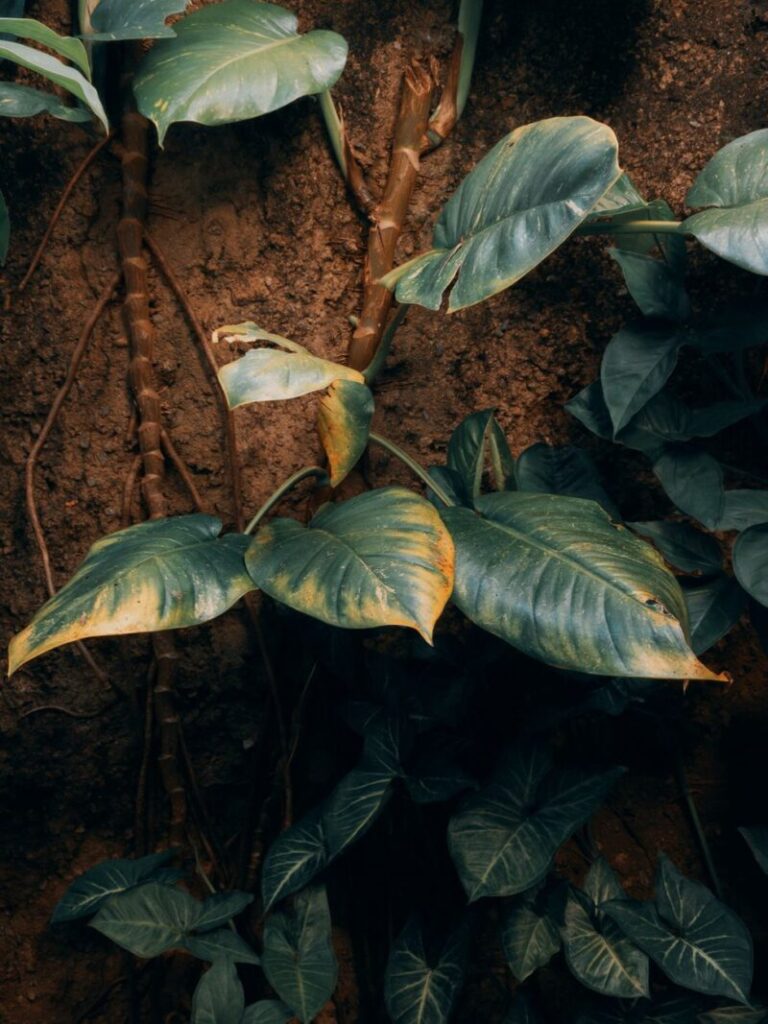
Aerial roots can host mucilage and microbial communities that respond to humidity and substrate conditions. For a practical example of research on aerial roots and how they react to environmental factors, see the study on aerial-root mucilage from Monteverde, Costa Rica: Presence of mucilage on aerial roots in Monteverde, Costa Rica, 2008. Use that context to interpret why cutting roots in very wet or very dry environments can produce different healing and microbial outcomes.
Signs That Require Immediate Action
Remove roots that are soft, black, or emitting a foul odor; cut back to firm tissue and discard diseased material. If you observe widespread leaf yellowing, wilting, or soft stems, diagnose watering, potting mix condition, and light exposure before extensive pruning. Improving airflow and drainage is the first preventive step against recurrent rot.
Practical Maintenance Checklist
| Situation | Recommended Action |
|---|---|
| Long, untidy trailing roots | Shorten tips or tuck into potting mix; sanitize tools before cutting |
| Roots with rot or foul smell | Cut to firm tissue, discard diseased material, improve drainage |
| Want a climbing specimen | Train roots to a moss pole or bury at stem base to encourage anchoring |
Design and Display Strategies
Turn aerial roots into design assets by training them up textured poles or wrapping them around timber posts to emphasize verticality. For a tidier silhouette, route roots behind the pot or attach them discreetly to a support and only trim visible excess lengths to preserve natural form.
When to Repot Instead of Pruning
If multiple aerial roots push on pot rims or the root ball feels compacted, repotting can resolve the underlying constraint better than repeated trimming. The Architecture Adrenaline guide on when to repot Monstera explains signs that repotting will improve root health and future anchoring.
Further Reading and Practical Sources
For regional care context and basic species biology, consult the University of Wisconsin-Madison extension overview: Swiss-Cheese Plant, Monstera deliciosa - Wisconsin Extension. For an expanded how-to on clipping and managing Monstera aerial roots, see the Architecture Adrenaline practical guide on the subject: Architecture Adrenaline guide. For additional propagation techniques that focus on water rooting and node placement, Architecture Adrenaline’s water propagation walkthrough provides useful complementary steps: how to grow Monstera in water.
Final Recommendation
Trim aerial roots selectively and conservatively. Prioritize sanitation, preserve some anchoring roots, and use buried roots or a node-containing cutting when you want to propagate. When rot or systemic decline appears, address substrate and drainage first, then remove diseased tissue. Training roots toward supports yields the best long-term balance between plant health and a tidy interior.
Related Video
Cutting monstera aerial roots can help maintain the plant's appearance and manage its growth. These roots do not harm the plant’s health, but pruning them can simplify care and enhance the plant's overall aesthetics. Regular monitoring and careful trimming can ensure your monstera thrives while preventing unwanted overgrowth.
More from Architecture Adrenaline
For more tips and insights on plant care and design, visit our social media channels. You can find additional articles and updates on our Instagram.