
Expect visible browning and wilting within 24 to 48 hours when baking soda is used as a spot weed killer, and plan on 2 to 7 days before plants are dry enough to remove reliably; the factors that change that timeline include species, plant size, recent rainfall, and whether the treatment contacted crowns or only outer leaves.
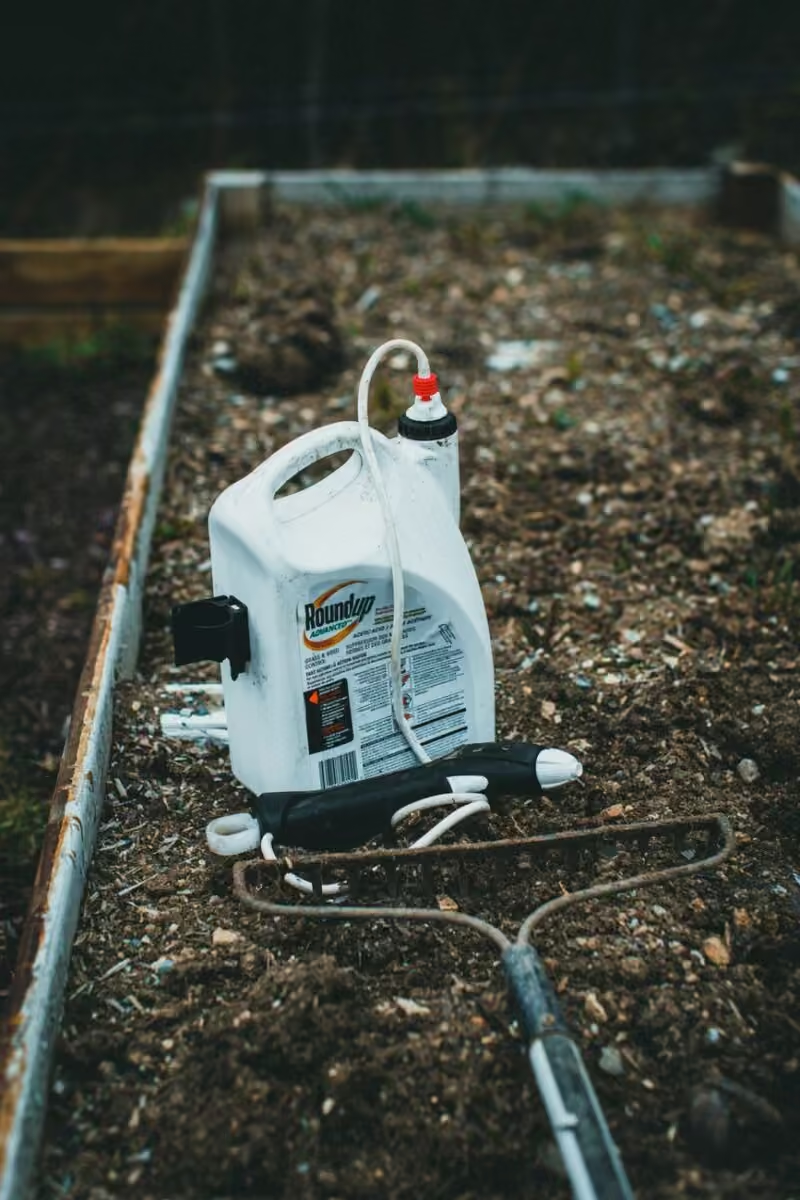
How Baking Soda Damages Plant Tissue
Sodium bicarbonate acts as a contact desiccant and a localized salt stressor. Applied to leaves or crowns it draws water out of surface cells and leaves a concentrated sodium residue, causing cellular collapse at the contact site. Because this is a nonsystemic injury, crowns and deep roots escape exposure and regrow unless the entire growing point is reached.
What to Expect Day by Day
On a dry, sunny day expect the first visible damage in 24 to 48 hours. By 2 to 7 days the aboveground tissue will usually be brittle enough to pull; larger plants and perennials often remain green at the crown and will resprout. If green tissue persists after a week, switch tactics rather than repeating heavy applications.
| Measure | Expected Result |
|---|---|
| First visible damage | 24-48 hours |
| Safe to hand-pull | 2-7 days |
| Requires repeat or different method | Established perennials and deep-rooted species |
Best Situations for Baking Soda Use
Use baking soda for small, shallow-rooted annuals growing in impervious conditions where soil contact is minimal. Good targets include seedlings in patio joints, sprouts in gravel, and weeds emerging from mortar cracks. Avoid use where sodium or pH changes could contact desirable plant roots.
- Young crabgrass and grass seedlings lodged between paving stones.
- Dandelion or chickweed seedlings in mortar or pavement cracks.
- Volunteer sprouts in compacted gravel or crushed-stone paths.
Precise Application Steps
Follow these steps to reduce collateral damage and wasted material.
- Choose weather. Treat on a dry, calm day with no rain forecast for 48 hours.
- Prepare the weed. If foliage is dusty, lightly mist leaves to increase adherence; do not wet the soil around the crown.
- Apply precisely. Use a spoon, small scoop, or sift to deposit a thin dusting on crowns and leaves. Do not broadcast across a bed.
- Monitor and act. Inspect at 24 and 48 hours, and again at 3 to 7 days; pull only when tissue breaks cleanly from the crown.
- Limit repeats. One or two targeted reapplications are acceptable for small patches; persistent plants need mechanical or chemical alternatives.
Failure Modes and When to Stop
Baking soda fails as a long-term control for deep-rooted perennials such as thistle, bindweed, or established turf. Because it does not translocate, root reserves remain viable and will regenerate. If crowns remain green after a single reapplication, plan mechanical extraction, stump treatment, or an approved herbicide designed for the species.
Soil, Safety, and Environmental Concerns
Repeated or broad use elevates local sodium and can raise pH, harming nearby plants and soil organisms. Avoid use adjacent to flower beds, vegetable plots, trees, and lawns. Wear gloves, avoid inhalation of the dust, and prevent runoff into planting soil or storm drains.
For a caution on homemade herbicide recipes and ingredient hazards, see Homemade herbicide considerations, which explains that common kitchen ingredients are not universally safe or effective and that label instructions for registered pesticides remain the primary safety resource.
Practical Alternatives for Different Problems
Match the method to the surface and the species.
- Boiling water. Useful for joints and impervious surfaces. It provides immediate tissue scald but will damage any desirable foliage it contacts.
- Household vinegar. Produces fast foliar burn but is nonselective and often temporary; horticultural-strength vinegar increases human and soil risks.
- Mechanical and cultural controls. Mulching, hand-pulling, and landscape fabric remain the most reliable long-term fixes for garden beds and perennial problems.
Quick Decision Checklist
Use these rules of thumb before applying baking soda.
- Reserve baking soda for targeted spot treatments on hardscapes only.
- Expect visible wilting in 24-48 hours and plan to wait several days before pulling.
- Never broadcast in planted beds or near turf; avoid repeated applications that could change soil chemistry.
- Switch to excavation or a species-appropriate herbicide for persistent or deep-rooted weeds.
Sources, Further Reading, and Practical Guides
Practical timelines and home-application notes are summarized by extension services and garden guides. For an overview of concentrated chemical options see the review of effective herbicides at Best weed and grass killer concentrate. For species-specific home remedies consult the piece on controlling creeping ground weeds at How to get rid of creeping Charlie for good. If you are managing seeds and stickers in lawns and paths, see practical removal strategies in How to get rid of stickers in your yard.
Related Video
Baking soda can be an effective solution for weed control, often taking anywhere from a few hours to a couple of days to work, depending on the type of weed and environmental conditions. It is essential to apply it when the weeds are actively growing, as this increases the effectiveness of the treatment. Regular monitoring and follow-up applications may be necessary to achieve complete control.
More from Architecture Adrenaline
For more posts like this, check out our social channels. You can find additional tips and ideas on our Instagram. Understanding how to effectively use household products for gardening tasks can lead to more successful results.