
Clover typically sprouts in 5 to 10 days under warm, moist conditions indoors and in 7 to 21 days when sown into a properly prepared soil seedbed; slower emergence up to 28 days occurs when soil is cool or moisture is inconsistent. This answer summarizes jar-sprouting schedules, field germination expectations, safety cautions, and practical steps to speed reliable emergence.
Jar Sprouting: What to Expect and a Compact Schedule
Jar-grown red clover shows root emergence in 2 to 4 days and produces edible tops in about 4 to 7 days; white clover jars usually need 5 to 10 days to reach mild flavor and leaf growth. These ranges match controlled sprouting observations where seeds are kept at room temperature and rinsed regularly.
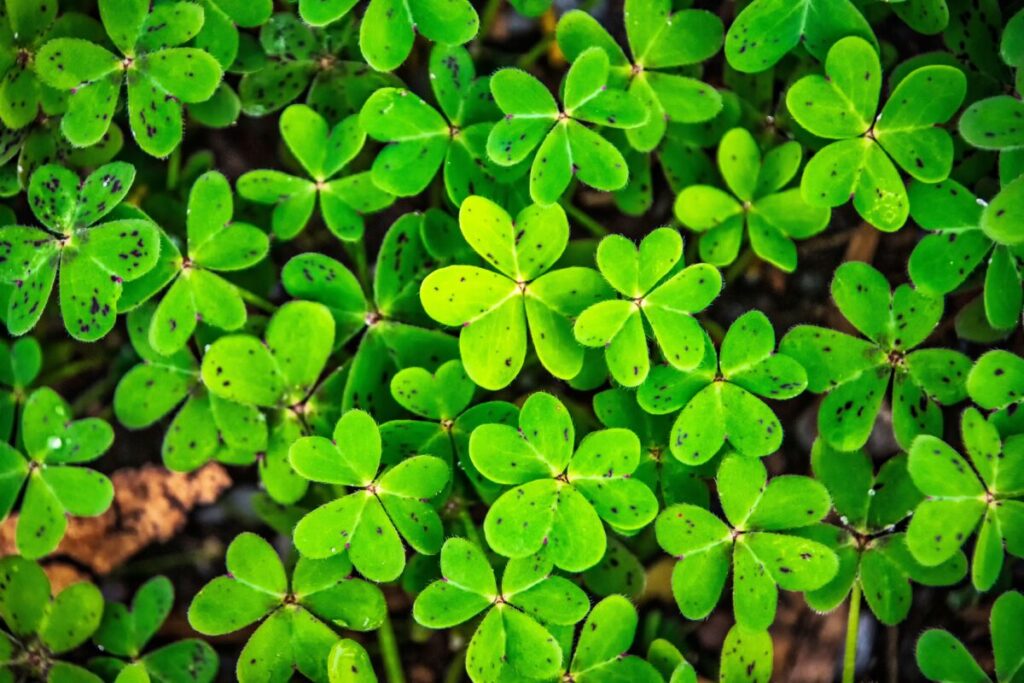
Follow this routine for consistent results: soak 1 to 2 tablespoons of seed 4 to 8 hours, drain, position the jar to keep the seedbed moist but not waterlogged, rinse twice daily, and move the jar briefly into indirect light on the final day to develop chlorophyll before refrigerating. Shortening soak time and improving airflow reduces the risk of mold.
Field Germination Timelines Backed by Extension Guidance
Under warm, moist, and firm seedbed conditions, clover seed commonly germinates within 5 to 10 days; Iowa State Extension cites about a 5-10 day germination window under warm, moist conditions for typical clover seed. Red clover establishment can extend a little longer depending on variety and site conditions, which Penn State Extension describes in its germination and emergence guidance.

The University of Missouri Extension emphasizes that consistent soil temperature, surface placement or very shallow sowing, and good seed-to-soil contact are the most important field factors for reaching that shorter window.
Why Temperature, Moisture, And Sowing Technique Matter
Temperature controls metabolic rate. Jar sprouts perform best at 68 to 75°F (20 to 24°C). Outdoor seed needs steady warmth; seedlings will stall if soil temperatures fall below roughly 43°F (≈6°C). Moisture is the other limiting factor: seeds need continuous surface moisture during the first week but not standing water.
Sowing technique matters more for tiny clover seed than for larger grass seed. Broadcast on a firm, consolidated surface or press lightly after broadcasting. Sowing deeply increases time to emergence and reduces total germination percentage.
Practical Seeding Rates, Timing, And Short-Term Lawn Strategies
| Use | Sowing Rate or Timing |
|---|---|
| Micro clover for lawns | Blend at about 5% of the grass-seed mix; expect germination in 7-21 days with warm, moist soil |
| White or red clover for pasture | Sow very shallowly and roll or press the seedbed; first sprouts commonly appear in 7-14 days when soil is warm and moist |
For turf where clover is unwanted, spot control and improved lawn fertility are effective long-term strategies; see practical removal methods in the Architecture Adrenaline guide to how to kill clover in lawns.
Red Clover Versus White Clover: Sprout and Field Differences
Red clover (Trifolium pratense) tends to produce smaller, milder sprouts faster, making it the preferred choice for raw-eating jars. For species-level germination and establishment traits, consult the Red clover germination and growth (Penn State Extension) overview and the NC State Extension red clover species page for differences in seed size, seeding depth, and establishment timing.
Food Safety: Who Should Avoid Raw Sprouts And Why
Raw sprouts have been implicated in bacterial outbreaks because warm, moist sprouting conditions also favor pathogen growth. Vulnerable groups should avoid raw sprouts entirely; all purchasers should source sprouts from suppliers that follow formal sprout-production controls and consider using heat-treated seed for home sprouting when available.
Troubleshooting Slow Or Failed Germination
- Old seed. Run a 100-seed or small-batch germination test or replace seed if viability is low.
- Too cool. Move indoor jars to a warmer spot or delay outdoor sowing until soil reliably warms.
- Poor contact. Lightly roll or press tiny clover seed after broadcast to ensure contact with moist soil.
- Mold. Increase rinse frequency for jars, shorten soak, and improve airflow; discard batches that smell sour or show fuzzy growth.
Mixing Clover With Other Sprouts Or Seeded Species
Clover mixes well with alfalfa for jar sprouts because their germination timing overlaps; when combining clover with significantly faster or slower species, harvest when the slowest edible component reaches the target size to avoid overgrown or bitter elements.

For turf or forage mixes, match seed maturity and seasonal timing so one species does not outcompete the others during establishment. For overseeding lawns with micro clover, consult product guidance and rates rather than substituting guesswork; product pages for micro clover provide specific blending instructions and overseeding rates.
Where To Find More Detailed Protocols And Seed
For step-by-step edible sprouting protocols and troubleshooting, established sprouting guides provide validated procedures and safety checks. To purchase seed or sprouting kits, consider clover seed germination products listed at online retailers that stock sprouting supplies and seed testing tools. For field establishment and management practices, see the University of Missouri Extension’s Red clover production and management, which covers seeding dates, inoculation, and establishment practices in greater detail.
Common Lawn Management Questions After Seeding
If clover persists where you do not want it, combining cultural approaches with targeted treatments is more effective than a single tactic. For practical control options and nonchemical tactics, read Architecture Adrenaline’s piece on the best herbicide for creeping Charlie to compare when chemical control is appropriate and what to consider before applying herbicide to mixed turf.
Identification And Related Yard Plants
If you are unsure whether a small white-flowered plant in your yard is clover or another species, the Architecture Adrenaline identification overview what are the little white flowers in my yard helps distinguish common low-growing white-flowered plants from true white clover based on leaf arrangement and blossom form.
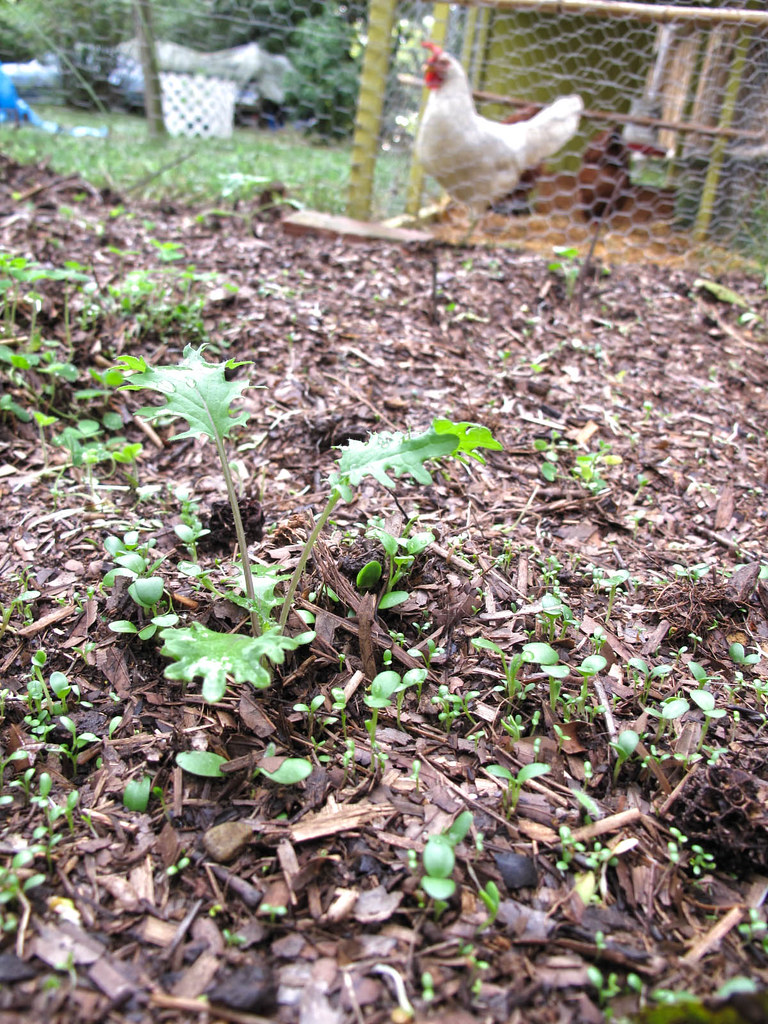
Thinking about growing a clover lawn? Here's how:
Clover typically takes about seven to twelve days to sprout under suitable conditions. Ensuring proper moisture, temperature, and sunlight can significantly influence this timeline. Gardeners should keep the soil consistently moist and avoid overcrowding seeds for optimal growth.
More from Architecture Adrenaline
For more posts like this, check out our social channels. Follow us on Instagram for updates and tips.
