
Most consumer self-healing cutting mats are multi-layer PVC or vinyl composites whose flexible outer layers compress when a blade passes and then rebound enough to reduce visible cuts; this article explains how those layers work, the limits of the self-healing claim, and practical buying and maintenance guidance you can use immediately.
Core Material and Typical Layering Explained
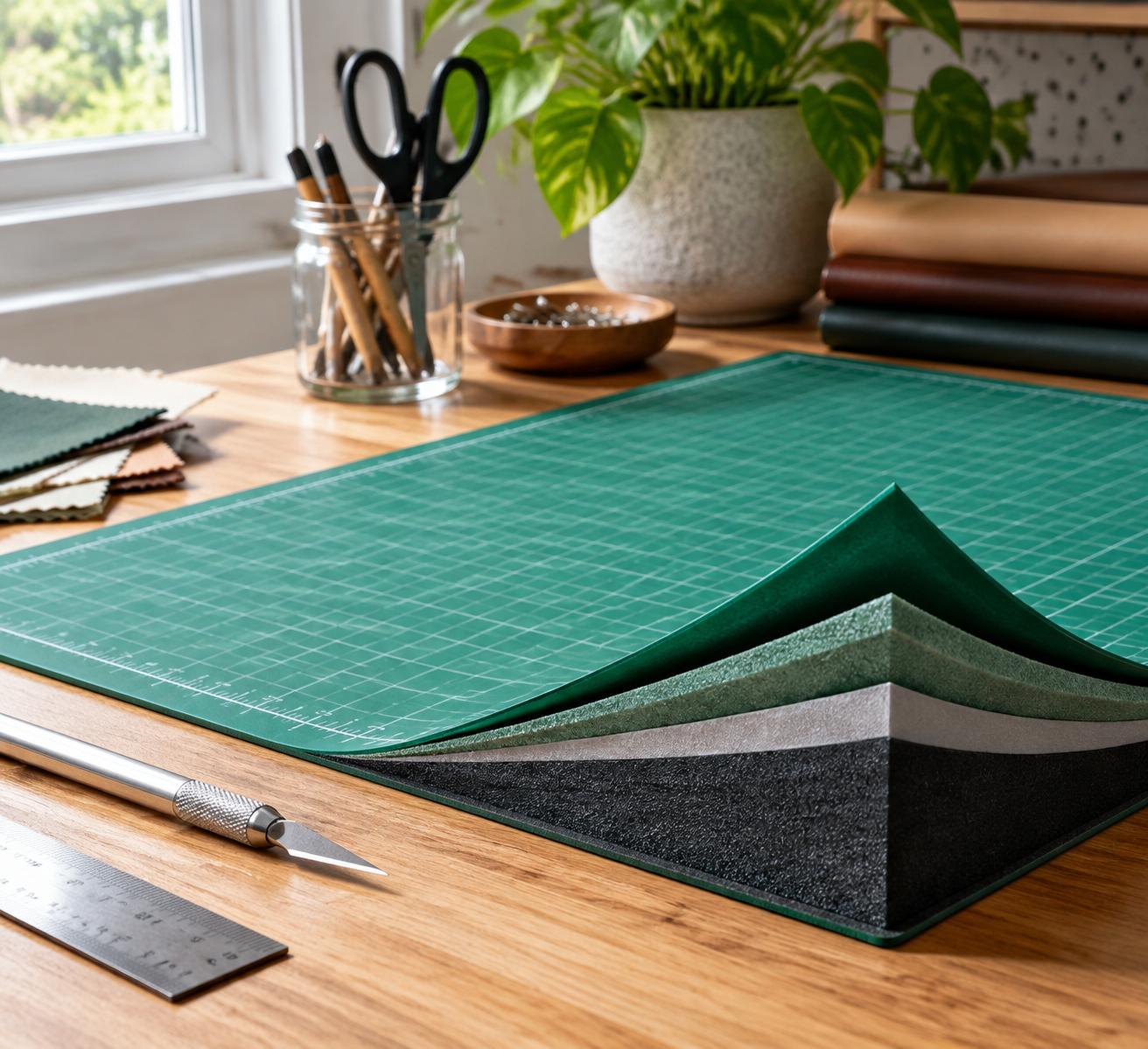
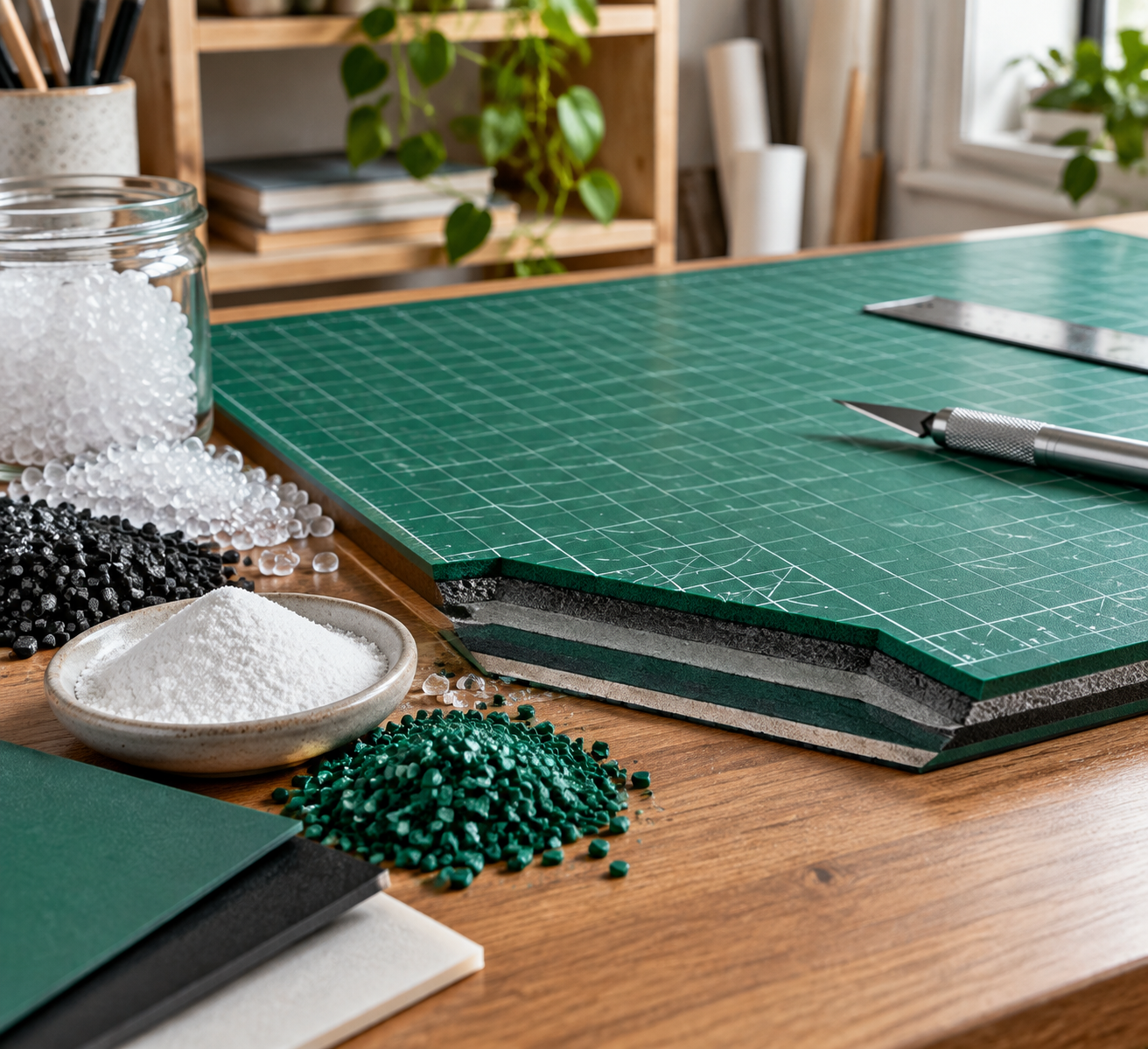
Manufacturers usually assemble mats as a laminate sandwich: a softer PVC or vinyl top layer that accepts a blade, a firmer core for flatness and dimensional stability, and a backing that adds grip or anti-slip performance. For more on material stacks and the layered construction, see What are self-healing cutting mats made from? - Make.
Commercial listings and spec sheets show common thicknesses around 2-3 mm for hobby mats and multi-ply construction for premium pieces. A typical consumer mat is described as a 2-4 layer construction, where surface vinyl, foam or polypropylene core, and a stabilizing backing are combined to trade flexibility for flatness.
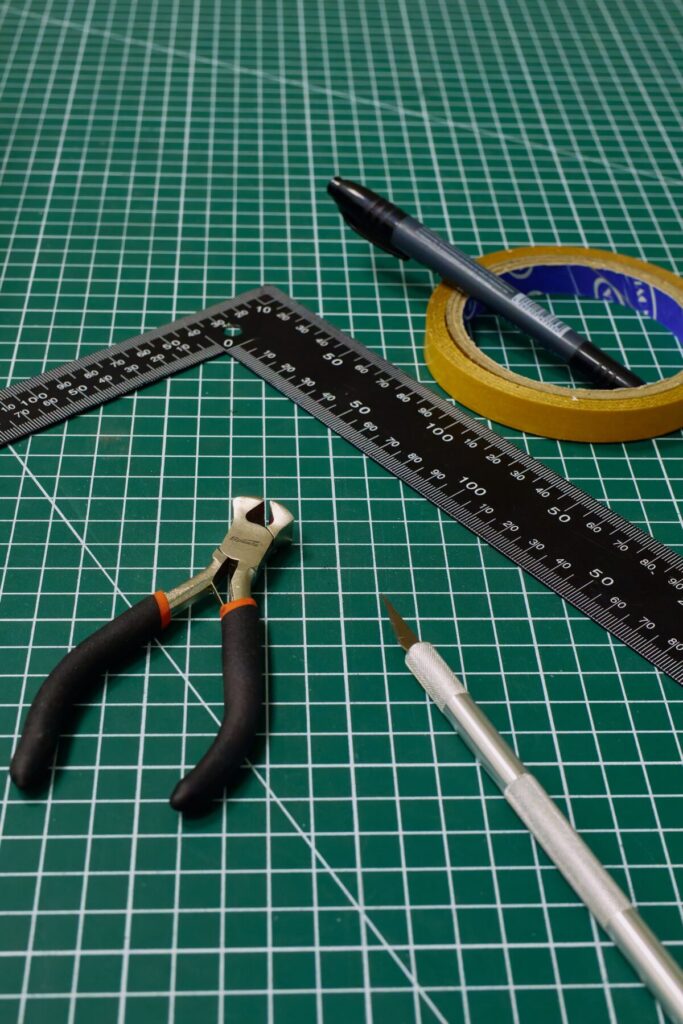
Material Properties: Surface, Core and Construction Variants
Surface PVC offers the closing-edge elasticity that yields the self-healing effect, while foam or rigid-polymer cores provide the stiffness that keeps grids accurate over a broad face. Technical summaries and product pages list variants: open-cell foam cores for lighter mats, closed-cell or rigid polypropylene cores for stability, and printed double-sided grids for longevity. See Self-healing cutting mats at McMaster-Carnell for a catalog view of those material choices and construction options.
Manufacturer specification sheets give the clearest data for a single product. For a representative example of thickness and layer descriptions from a branded mat, consult the DAHLE Vantage cutting mat specification sheet.
How The Working Surface Produces a Self-Healing Effect
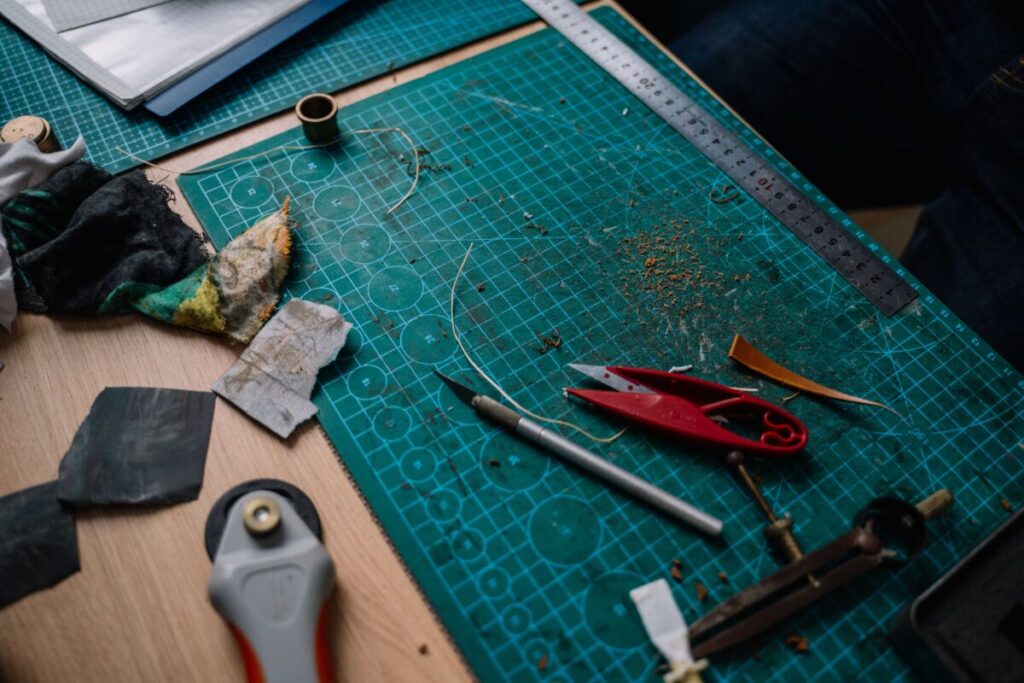
The functional mechanism is simple: the top vinyl layer flexes and the microscopic cut edges close when the material relaxes, which reduces the visibility of small slits and keeps the grid usable. This action depends on blade sharpness, cut angle, and the depth of penetration; deep gouges or repeated cuts along the same line will not recover.
Alternatives to PVC and When To Use Them
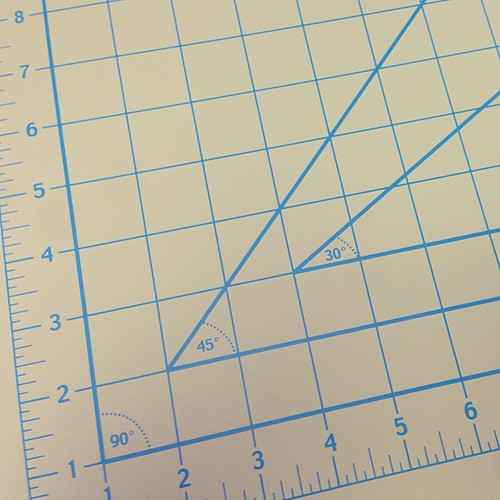
UHMW polyethylene and HDPE panels are appropriate when abrasion resistance or chemical resistance matters, for example in light industrial jigs or heavy-shop cutting tables. Those polymers hold an edge against wear but increase blade dulling and do not exhibit a closing-edge behavior like vinyl. Tempered glass provides a perfectly flat, scratch-resistant surface but changes blade friction and will not close cuts.
Thickness, Size and Choosing Heavier Construction
For large-format cutting and accurate long straight cuts, choose mats 3 mm or thicker to avoid cupping or warping across spans longer than 18-24 inches. Thicker construction reduces the chance of deep gouges and keeps printed grids aligned; large-format mats labeled 3 mm and above are the minimum for quilting and extended straight-edge work.
Durability Limits and Longevity Factors
Self-healing is a convenience, not a warranty of infinite life. Mat longevity shortens with blunt blades, excessive downward force, abrasive substrates, and failing to rotate or flip the mat. Expect visible, permanent marks over time in the zones of concentrated use even on well-made PVC composites.
Maintenance Steps That Extend Mat Life
- Keep blades sharp. Lower cutting force reduces penetration depth and limits permanent cuts.
- Rotate and flip double-sided mats every few sessions to spread use evenly.
- Clean with cool or warm water and a mild detergent; avoid hot water or direct heat, which can soften PVC and change flatness.
- Soak stubborn debris for 15 to 20 minutes in cool water with 1/4 cup white vinegar per gallon, then scrub gently and air dry flat to retain dimensional stability.
- Remove lint and fibers with a lint roller or soft brush so debris cannot lodge in small slits and expand them.
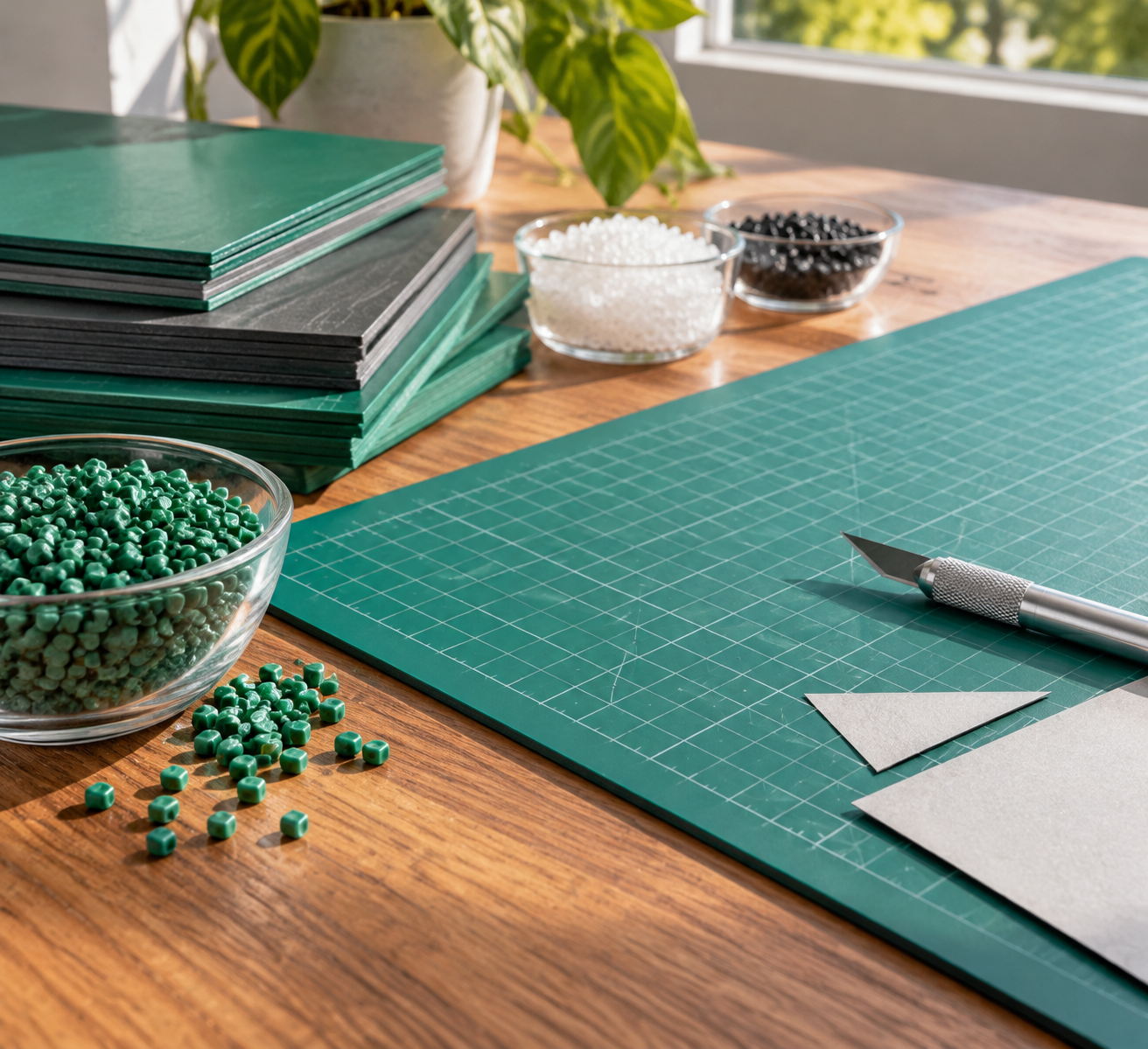
Safety, Plasticizers and Environmental Notes
Some older vinyl products used phthalate plasticizers; contemporary lines sometimes advertise non-phthalate formulations. If off-gassing, recycling, or disposal is a concern, examine manufacturer documentation or spec sheets before purchase and choose mats with disclosed material safety information.
Buying Checklist for a Large Self-Healing Mat
- Verify stated thickness and the number of plies or layers in the product description.
- Decide between single- or double-sided printing depending on expected wear patterns.
- Read user reports about warping or flattening for the specific size you need.
- Check manufacturer notes on plasticizer content, cleaning instructions, and warranty terms.
- If blade wear or chemical resistance is a priority, evaluate UHMW or tempered glass alternatives and accept trade-offs in blade life and cost.
For quick marketplace comparison after you confirm the material and size you want, consult this Amazon search for self-healing cutting mats.
Brand Differences and How They Affect Performance
Brands vary by printed-grid precision, ply count, polymer formulation, and whether mats are double-sided. Premium lines typically use thicker top layers and a stiffer core to preserve grid accuracy and resist deep cuts; economy mats prioritize cost per area and often require earlier replacement for heavy use. Compare published thickness and warranty statements for a defensible purchase decision.
Practical Recommendations by Use Case
- Hobby paper and light fabric cutting: 2-3 mm PVC composite mat with a clear printed grid; rotate regularly and flip when one side concentrates wear.
- Quilting and long rotary cuts: 3 mm or thicker mat that remains flat across the full cutting width; look for user reports about edge-to-edge flatness on large sizes.
- Heavy production or workshop cutting: consider UHMW/HDPE panels or industrial mats while budgeting for increased blade replacement and accepting a different cutting feel.
| Material | Typical Use |
|---|---|
| PVC / Vinyl Composite | General crafting, quilting, hobbyist mats; flexible top layer with partial self-closing behavior |
| UHMW / HDPE | Industrial or long-lasting panels where abrasion resistance is required; increases blade wear |
| Tempered Glass | Specialty flat, scratch-resistant surface; will not heal and increases blade wear |
Architecture Adrenaline has practical buying and model-making coverage that complements this material summary: see the site’s Best Cutting Mat For Architectural Models, the broader best cutting mats for model making guide for 2026, and a related piece on tools such as the model-making knife that explains how blade specification affects mat wear.
🧰 SELF HEALING CUTTING MATS - How to clean and other tips - What you need to know:
Self-healing cutting mats are typically constructed from layers of PVC or a composite material that enables them to remain undamaged after cutting. Their design allows the surface to reseal, which helps in extending the life of the mat and enhancing the accuracy of cuts. Various colors and grid patterns are available, catering to different project needs.
More from Architecture Adrenaline
For updates and additional content like this, check out the site’s social channels. Follow along on Instagram for more insights and posts. Understanding the materials in self-healing cutting mats can help you choose the right one for your projects.
