
How to Choose an Immersion Water Heater For Your Bathtub starts with safety and ends with smart, practical choices that keep bath time warm without compromising electrical safety. This guide consolidates the best practical guidance from two prior resources, preserving the most useful details, specs, and media while clarifying conflicts and enhancing actionable steps for your situation.
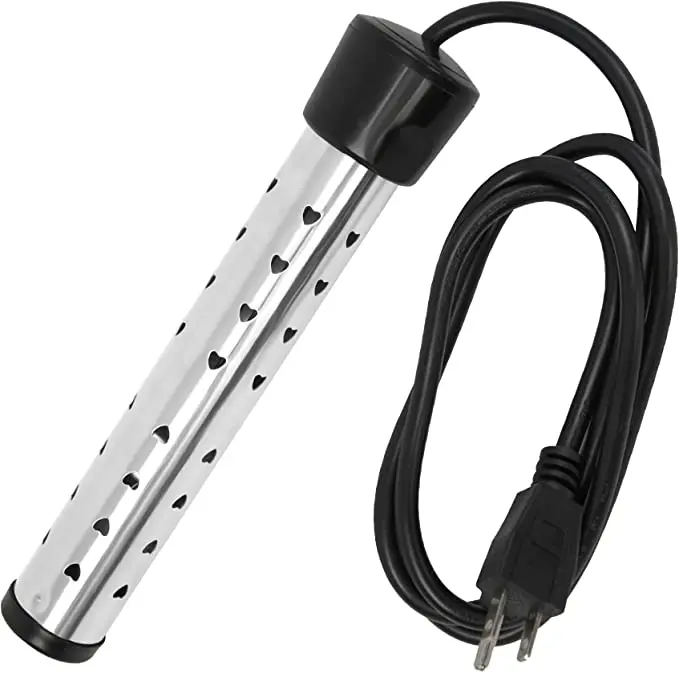
| Decision Factor | What To Look For |
|---|---|
| Safety Certification | UL Listed / IEC/EN compliance for immersion heaters and clear IP or zone rating. |
| Wattage & Power | Match heater watts to circuit capacity (1000–1500 W typical for portable bathtub use). |
| Controls | Built‑in thermostat plus independent high‑temperature cutoff or thermal fuse. |
| Installation Type | Portable (clip/rod) vs. fixed/inline; fixed requires professional wiring and approved elements. |
| Protection & Placement | Use GFCI, avoid extension cords, and only use devices rated for bathroom Zone 0/1 where applicable. |
Safety First: How To Select An Immersion Heater For A Bathtub
Safety is the starting point for every purchase decision. If a product lacks a recognized safety listing (UL, CE/EN, or IEC references) for immersion use, treat it as unsuitable for regular bathtub heating. Key safety features to prioritize include:
- Certification: UL 499 or relevant national standards for immersion and explicit bathtub use guidance.
- GFCI compatibility: operate only on a GFCI‑protected circuit to minimize shock risk.
- Overheat protection: an integrated thermostat plus an independent high‑temperature cutoff (or thermal fuse).
- Visible safety cues: clear indicator lights, a sturdy protective guard around the heating element, and reliable mounting to prevent exposure.
As you evaluate options, consult Berkeley safety guidance on immersion water heaters for critical awareness of risks in bathroom environments. For broader regulatory context, review CPSC recalls and safety warnings for electric water heaters before purchasing any immersion device intended for baths.
Wattage, Voltage, And Circuit Considerations
Wattage and electrical wiring determine both heating speed and safety. Use the following as a practical baseline:
- Common portable ratings range from 300 W to 1500 W. For typical bathtubs, 1000–1500 W balances heat output with circuit load.
- On a 120 V circuit, 1500 W draws about 12.5 A; ensure the circuit and breaker can handle this load, especially if other devices share the same circuit.
- Voltage compatibility matters: buy models matching your supply (120 V or 230/240 V). Do not use unsafe voltage adapters.
- When in doubt, have a licensed electrician verify circuit capacity or install a dedicated, GFCI‑protected line for bathtub heating.
For safety standards and installation expectations, IEC 60335-2-73 provides formal guidance on immersion heaters. You can cross‑check IAPMO guidance to reduce the danger of scalds with residential water heaters for installation considerations that influence a safe bathing setup.
Key Features To Inspect Before Buying
Beyond marketing claims, inspect construction and specifications to avoid unsafe or unreliable models:
- Thermostat range and accuracy; adjustable controls help prevent scalding.
- Independent high‑limit cutoff for added safety in case the thermostat fails.
- Water ingress protection: look for IP ratings (IPX7 or better) and explicit bathtub/immersion use notes from the manufacturer.
- Shielding and handle design: protective guards and insulated handles that keep hands away from hot surfaces.
- Mounting options: secure clips or brackets to prevent tipping and exposure of the hot element.
Installation Types And When Each Makes Sense
Understanding installation options helps you pick the right approach for your tub and space:
- Portable Immersion Rods — Ideal for occasional heating during filling; require listings with thermostat and auto cutoff; best for renters or travel because no permanent wiring is needed.
- Inline/Electric Circulation Heaters — Mounted in plumbing or return lines to maintain temperature; require professional installation, correct pump sizing, and permits; suitable for continuous heating during soaking.
- Fixed Tank Elements — Integrated into hot water tanks feeding the tub; best when hot water capacity is the limiting factor rather than in‑tub heating.
Practical Safety Checklist For Using An Immersion Heater In A Bathtub
- Confirm the device is explicitly rated for full immersion and bathtub use.
- Plug only into a GFCI‑protected outlet; test the GFCI before each session.
- Use the supplied clip or bracket; do not balance the heater on the tub rim.
- Do not operate the heater while actively touching the water or while in the tub.
- Inspect the cord and element for damage; discontinue use if insulation is cracked or the element is deformed.
- Set the thermostat to a safe temperature (roughly 120°F / 49°C is a common upper limit for safe bath heat).
- Avoid extension cords or multi‑plug adapters in the bathroom for immersion heaters.
For added consumer guidance, consult MedlinePlus on preventing burns from hot water and the Brandeis housing safety page on what items are prohibited in dorms, highlighting jurisdictional differences in safety policies that readers should consider when using heating devices in shared spaces.
Bathroom Zone Concepts And IP Ratings
Electrical safety in bathrooms hinges on zone classifications. In Europe/UK, Zone 0/1/2 defines where equipment can be installed. For immersion use inside a bath (Zone 0), only products explicitly approved for bathtub immersion should be used. High IP ratings alone do not guarantee suitability unless the manufacturer confirms bathtub immersion is allowed.
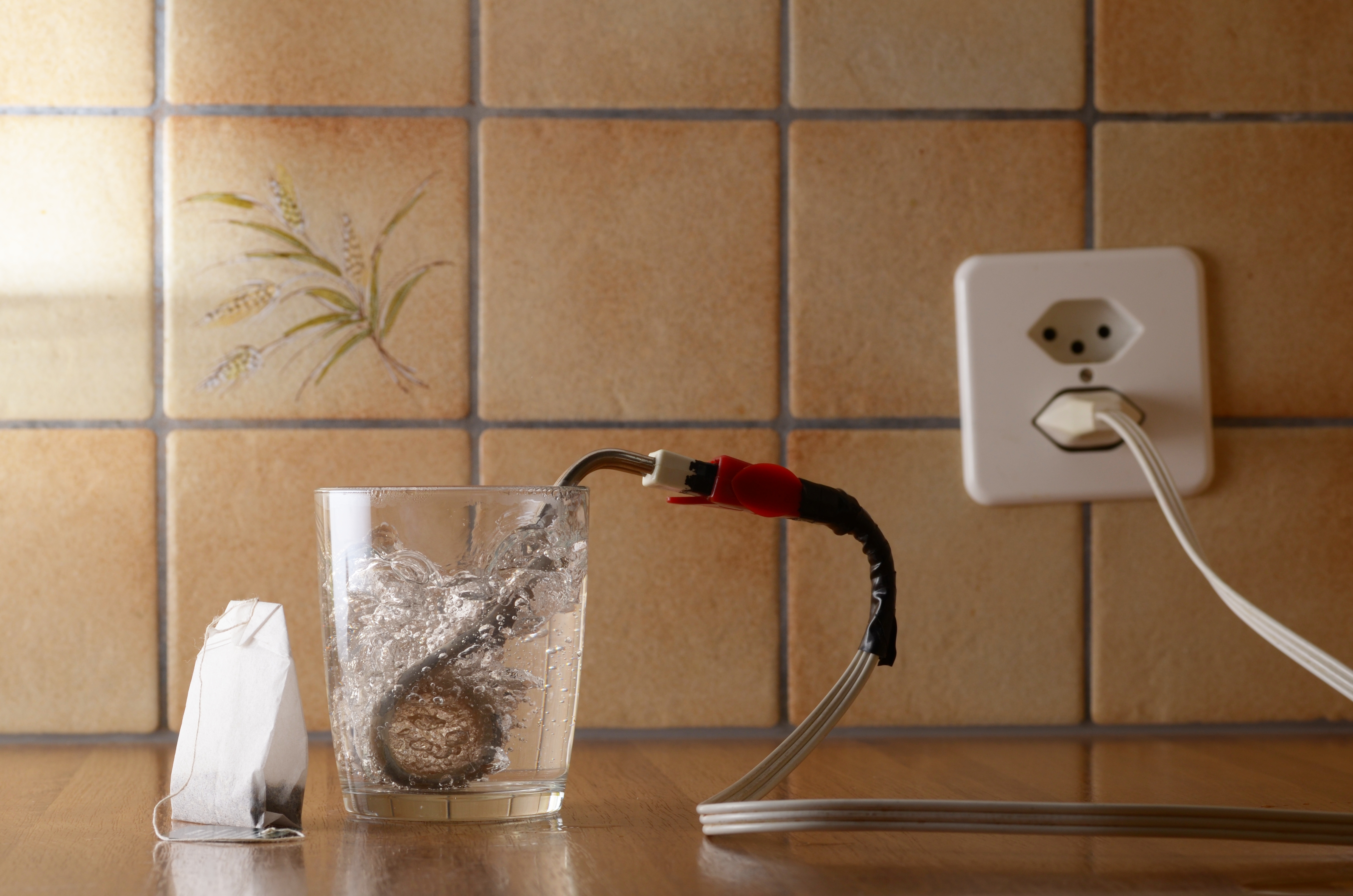
For readers seeking further guidance on safety practices, see Electrical Safety First bathroom safety guidance and related consumer resources discussing zone-specific equipment placement.
Alternatives To In‑Tub Heating
If safety, wiring, or local codes complicate immersion heating, consider these safer, often more economical options:
- Increase hot‑water capacity or install a properly sized on‑demand (tankless) heater to extend bath time without reheat delays.
- Use an inline recirculation heater designed for baths, installed by a professional.
- Choose a high‑insulation or stone‑resin bathtub that retains heat longer, reducing the need for in‑tub heating.
- Utilize insulating covers and pre‑heat the room to minimize heat loss between fills.
For readers exploring related design contexts, see how rock‑landscape front yards and exterior design decisions influence thermal performance and long‑term maintenance; you can explore Rock Designs For Front Yard Ideas You’ll Love for a broader perspective on environmental design and durability that complements interior comfort strategies.
Brand And Model Considerations — Practical Buying Tips
To quickly narrow options, apply these practical checks:
- Check for recognized safety listings (UL/CE/IEC). If absent, drop the model from consideration.
- See if the product sheet specifies bathtub or Zone 0/1 suitability and lists IP/zone ratings and thermostat specs.
- Read user feedback on long‑term reliability and whether the unit reliably shuts off when needed.
- Prefer corrosion‑resistant materials (stainless steel or titanium elements) for hard water durability.
- Verify warranty terms and availability of spare parts (thermostats, thermal fuses, replaceable elements).
Common Mistakes And How To Avoid Them
Avoid risky shortcuts that can compromise safety and performance:
- Do not use unlisted travel rods in a full bathtub; they are designed for small amounts of liquid only.
- Avoid non‑GFCI outlets or extension cords in the bathroom for immersion heaters.
- Never operate the heater unattended or with people in the tub.
- Do not assume lower wattage is universally safer; it may not heat enough or could encourage improper use.
Frequently Asked Questions About Immersion Heaters For Bathtubs
Is an immersion heater safe in a bathtub?
Yes—when the heater is specifically designed for full immersion, carries appropriate safety listings, is used with GFCI protection, and is operated according to the manufacturer’s instructions. Avoid makeshift or unlisted devices in a bathtub.
What wattage is best for heating bathtub water?
For portable use, 1000–1500 W is typical and practical for most bathtubs on a 120 V circuit. For continuous heating or maintenance, inline or professional systems sized to the tub’s heat loss are more appropriate.
Do I need a dedicated circuit?
Generally yes for regular bathtub heating. A dedicated, GFCI‑protected circuit helps prevent nuisance trips and overloading other devices. Consult a licensed electrician for setup and safety compliance.
Final Buying Checklist Before You Check Out
- Product is listed to a recognized safety standard (UL/IEC/EN) for immersion use.
- Device includes a thermostat and an independent high‑limit cutoff.
- Power rating matches your home wiring and intended use (1000–1500 W is common for portable tubs).
- Manufacturer explicitly allows bathtub or Zone 0/1 use, or you have a professional installation plan for fixed systems.
- Plan includes a GFCI outlet, secure mounting, no extension cords, and a clearly tested emergency shutoff procedure.
If you’d like tailored recommendations, share your country for local code references, whether you want a portable rod or a fixed inline system, and your available voltage. I’ll suggest model types and a wiring checklist suited to your setup.
We’d love to hear about your immersion heater experiences—what worked, what safety concerns you faced, and any tips you wish you knew sooner. Share your story in the comments or ask a question below to start a discussion.
For additional internal coverage and related content you might find helpful, read about Rock designs for front yard ideas, Siding Installation Cost Near Me Explained, and Explore Harriman State Park's Hidden Gems for broader context on design, costs, and landscape planning that intersect with durable, safe, and user-focused environments.
Additional safety and standards references you may consult include:
- Berkeley safety guidance on immersion water heaters
- CPSC recalls and safety warnings for electric water heaters
- Electrical Safety First bathroom safety guidance
- IEC 60335-2-73 standard for immersion heaters
- IAPMO guidance to reduce scalds with residential water heaters
- MedlinePlus: preventing burns from hot water
- Brandeis housing safety: prohibited items
For shopping references, readers can explore product options via Bathroom immersion heater products on Amazon.
Bucket Fast Heater 2000W, Immersion Water Heater, Heat 5 Gallons of Water in Minutes:
Choosing the right immersion water heater for your bathtub might seem daunting, but with a little research and understanding of your needs, you can find the perfect match. Consider factors such as capacity, safety features, and energy efficiency to ensure you select a model that meets your unique requirements. Investing some time in this choice means you’ll enjoy cozy baths without the hassle of waiting for hot water, and who doesn't love a relaxing soak after a long day?
Stay Updated and Connected
Once you've made your decision and are ready to enjoy those warm baths, don’t forget to stay connected with us for even more tips and ideas! We love sharing inspiration and updates that can enhance your home experience. Check out our latest designs and advice on Instagram at Architecture Adrenaline. We’re excited to help you create the perfect sanctuary at home!
