

Expect wide variation for HVAC ductwork reroute labor costs in Chicago; the most common residential jobs fall between $1,500 and $7,000 depending on access, duct type, and required inspections. The figure matters because access constraints in older masonry or multiunit buildings drive both labor hours and permit complexity, so a low initial estimate can double once walls are opened and inspections required.
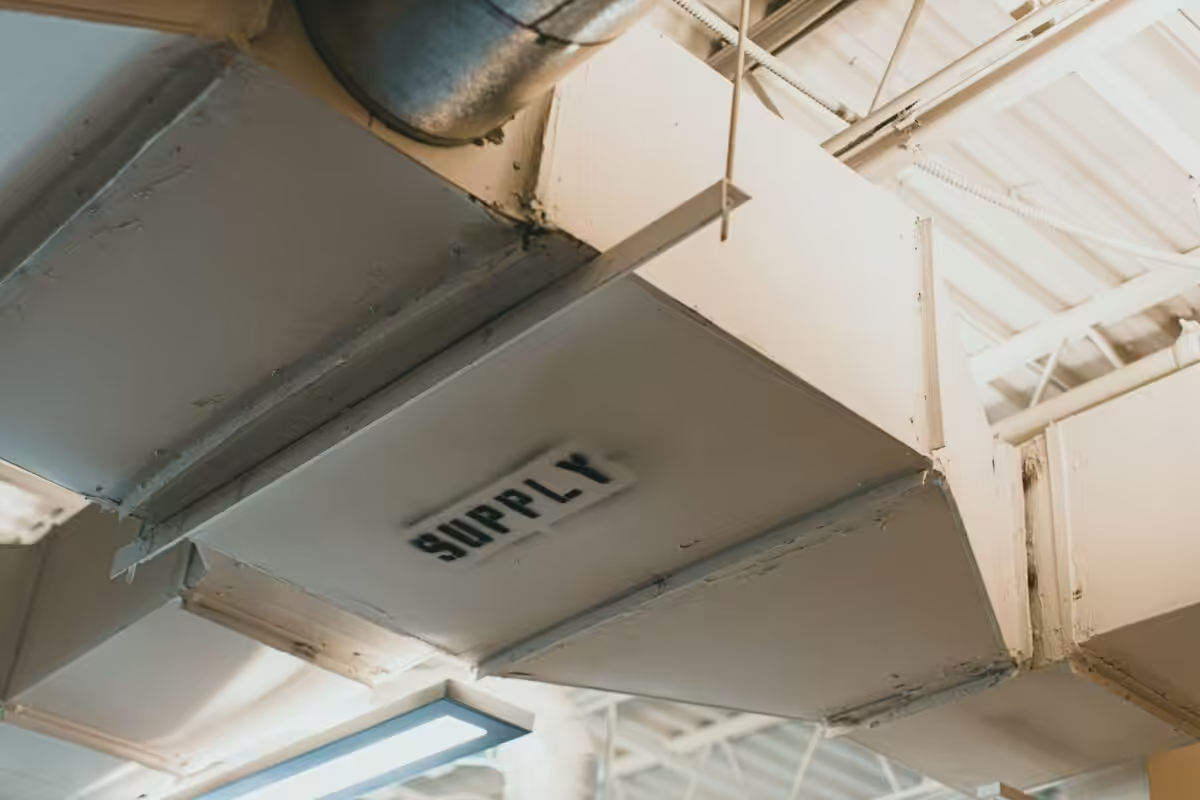
Typical Price Bands Seen in Chicago Projects
Short, accessible attic runs frequently land near $1,500, while large trunk relocations with ceiling repairs and balancing commonly approach $7,000 or more. Per-linear-foot ranges used by local contractors cluster around $4-$8 per foot for insulated flex branches and $8-$15 per foot for round or rectangular sheet-metal trunks; these ranges usually combine basic labor and common materials but exclude drywall repair and permit fees.
How Contractors Usually Itemize a Reroute Estimate
A complete bid separates labor, materials, permits, and finish work. Labor should list hours for demo, duct fabrication, sealing with mastic or approved tape, register installation, and a final static-pressure test. Ask for a line-item bid showing hourly rates, materials per foot, and explicit allowances for drywall patching, paint, and balancing work.

Access, Duct Type, and Other Cost Drivers
- Access. Attic or crawlspace access reduces teardown time compared with cutting finished ceilings or working inside party walls.
- Duct geometry. Rectangular trunks require fitting and sealing time that increases with cross-section; round trunks are faster to assemble.
- Fittings and takeoffs. Each damper, transition and boot adds fabrication time and sealant.
- Testing and balancing. Formal static-pressure testing and adjustments are separate billable steps that improve system performance.
- Coordination and permits. Condo associations, fire-stopping, and inspection cycles add both direct fees and administrative labor.
For a structured overview of how route length, access and fittings influence prices, consult a contractor-focused guide to cost factors and typical prices for rerouting ductwork (PICKHVAC).
Estimating Labor Hours and Converting Hours into Dollars
Use this practical rule of thumb: 1-3 labor hours for a short flex run in an accessible attic; 4-10 hours for moderate work with several fittings; and 10-40 hours for large trunk reroutes in tight or finished spaces. Multiply the estimated hours by the contractor hourly rate, then add materials, permit fees and a 10%-20% contingency for concealed problems such as mold, asbestos wrap, or inaccessible plenums.
When Choosing Sheet Metal Justifies Higher Labor
Sheet-metal trunks cost more to fabricate and seal but retain cross-sectional area and avoid sagging that increases long-term pressure loss. Prefer sheet metal for runs longer than 20-30 feet or where high airflow must be preserved; use insulated flex for short branches under moderate static pressure only.
Practical Per-Work Cost Comparison
| Work Type | Typical Price Range |
|---|---|
| Flex duct reroute (per linear foot, labor + materials) | $4, $8 |
| Sheet-metal trunk reroute (per linear foot) | $8, $15 |
| Small residential reroute (simple attic) | $1,500, $3,500 |
These quick rules help sanity-check contractor bids and ensure per-foot estimates align with the quoted total.
Sample Scenario Prices To Guide Budgeting
- Single 20-foot flex run in an unfinished attic: approximately $450-$1,000 total.
- Finished-ceiling reroute with a 12-by-24-inch trunk, 12 ft and multiple fittings: roughly $1,700-$3,200.
- Multiroom reroute with new boots, balancing, and drywall repair: roughly $3,500-$7,000.
Permits, Codes and Third-Party Testing That Add Cost
Permit triggers and code requirements vary by municipality. For duct modifications, contractors commonly list sealed joints with approved mastic and static-pressure testing as separate items because they materially improve airflow and reduce leakage. Refer to the IMC duct and air distribution provisions (ICC) for the technical standards that inspectors apply to joint sealing, clearances and materials.
Questions to Get Accurate, Comparable Bids
- Request a written, itemized estimate showing labor hours, materials per foot, required testing, and finish work.
- Confirm whether sealing and insulation of exposed ducts are included and whether balancing is part of the scope.
- Ask whether the contractor will follow ACCA Manual D for sizing and Manual T or equivalent for testing; adherence reduces corrective work.
- Obtain warranty terms on workmanship and materials in writing, including how callbacks are handled and billed.
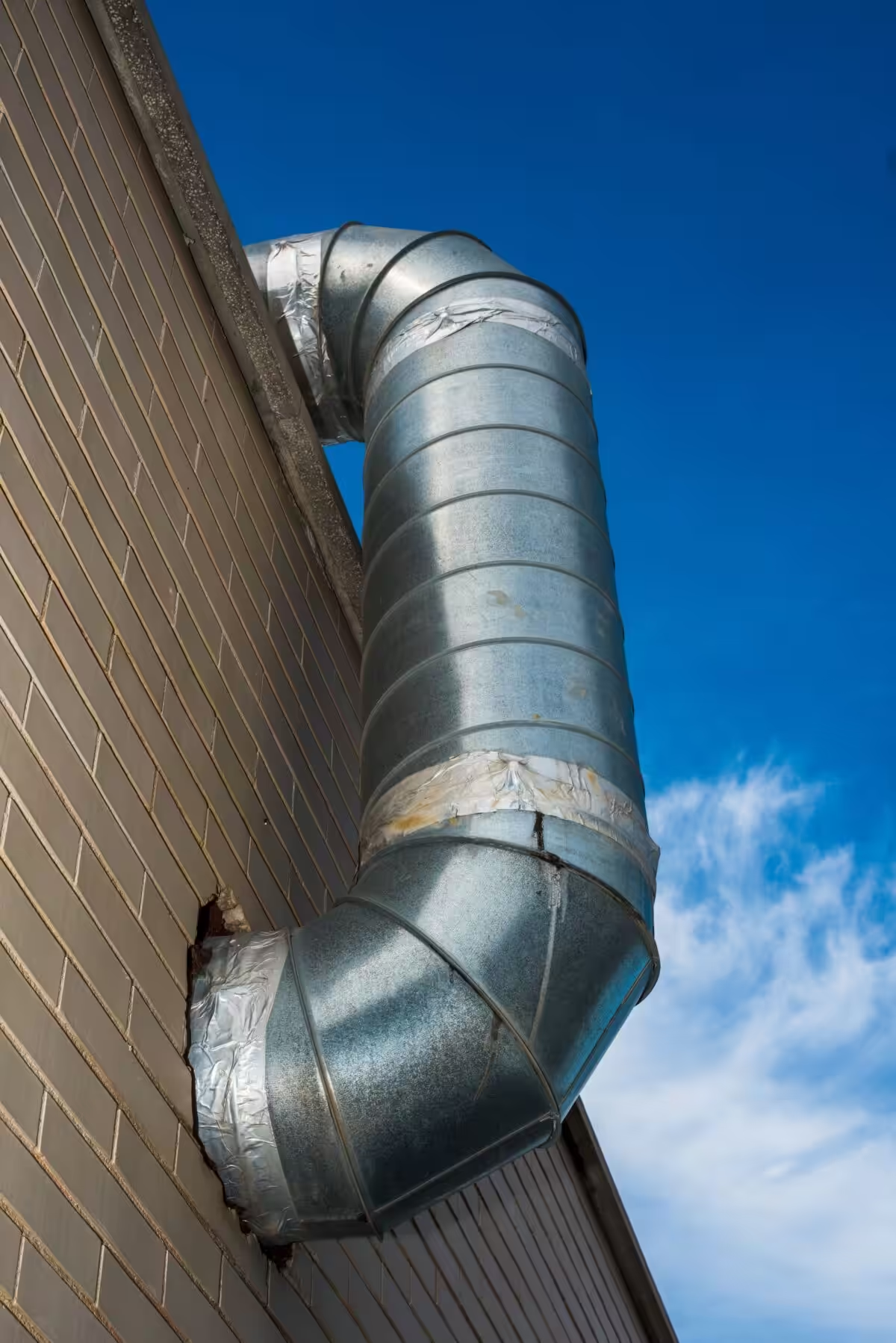
Common Mistakes That Inflate Final Labor Costs
Typical cost escalators include beginning work without permits, understating finish repairs, and scheduling multiple small visits instead of consolidating work. Hiring crews unfamiliar with Manual D layouts often leads to corrective visits, which multiply mobilization and labor charges.
How Homeowners Can Reduce Labor While Preserving Performance
- Consolidate multiple runs into a single contract to avoid repeat mobilization.
- Clear attic or basement access and mark planned register locations before crews arrive.
- Provide decisions on register placement to avoid on-site changes that cost time.
- Compare at least three written bids and evaluate scope line-by-line rather than selecting the lowest total.
For common HVAC tools used on reroutes, review a selection of ductwork installation tools to understand the equipment contractors typically deploy.
Local Contractors, Service Pages and How to Vet Them
Start with local service pages to request free estimates and inspect service descriptions. The site’s pre-season maintenance guide links to practical inspection steps in the same topic area at pre-season HVAC checklist. For broader cost context about major installations that might require duct changes, read the site’s analysis of HVAC installation costs. If indoor air quality or cleaning is a factor in your reroute decision, the article on air duct cleaning importance explains when cleaning or replacement is preferable.
When evaluating local firms, check whether each provides itemized estimates, references for similar Chicago projects, written warranty terms, and evidence of proper licensing and insurance. Ask to see completed-job photos that show transitions, sealing details and finished ceiling repairs.
Why These Price Ranges Are Reliable Starting Points
The figures here combine contractor estimates, regional guides and published price summaries. For consumer-focused ranges and common factors that influence Chicago-area bids, consult a homeowner-oriented cost guide such as How much does it cost to reroute ductwork? (Angi) and the PICKHVAC article cited earlier. Use those published guides to prepare targeted questions and to check whether a contractor’s scope covers code-level sealing and testing.
Conclusion: What Matters Most When Budgeting
Access, duct type and inspection requirements determine whether a reroute is a few hundred dollars or several thousand. Prioritize written, itemized bids that separate labor hours, materials, permits and testing. Insist on sealed joints, documented static-pressure testing and a clear warranty; those items add upfront cost but reduce the likelihood of expensive callbacks and poor system performance.
Map and Satellite View
Street View
Chicago Air Duct Cleaning - Dearborn ducts Chicago - 312-544-0345:
Understanding the labor costs associated with rerouting HVAC ductwork in Chicago can help you make informed decisions about your project. Factors such as the complexity of the ductwork, accessibility, and local labor rates all contribute to the overall expense. It's beneficial to gather multiple estimates to ensure you have a clear view of potential costs.
More from Architecture Adrenaline
For additional insights on building and design topics, our social channels offer a wealth of information. Explore our Instagram for visual inspiration and updates on similar projects. Engaging with these resources can enhance your understanding and keep you informed on industry trends.