
Seaweed Insulation Solutions: A Sustainable Future is not just a catchy phrase but an eco-friendly movement revolutionizing the construction industry. As the world grapples with climate change and dwindling natural resources, innovative solutions like seaweed-based insulation offer a promising alternative. This biodegradable, renewable resource is proving to be a game-changer for sustainable building practices. It not only reduces carbon footprints but also enhances energy efficiency in homes and buildings. By harnessing the natural properties of seaweed, we are paving the way toward a greener and more sustainable future.
| Attribute | Benefit | Description |
|---|---|---|
| Renewable | Environmentally Friendly | Seaweed grows rapidly and can be harvested sustainably, reducing reliance on finite materials. |
| Insulative Properties | Energy Efficiency | Seaweed insulation provides excellent thermal resistance, lowering heating and cooling costs. |
| Biodegradable | Reduced Waste | At the end of its life cycle, seaweed insulation naturally decomposes, minimizing landfill contributions. |
The Green Revolution: Seaweed's Rapid Growth

Imagine a resource so abundant that it grows several feet in just one day. That's seaweed for you—a natural wonder that is setting new standards for sustainable resource management. Seaweed's rapid growth makes it an easily renewable resource, allowing for frequent, sustainable harvesting without depleting ecosystems. This means that not only do we maintain a balanced environment, but we also reduce our dependency on non-renewable materials significantly.
Energy Efficiency Redefined
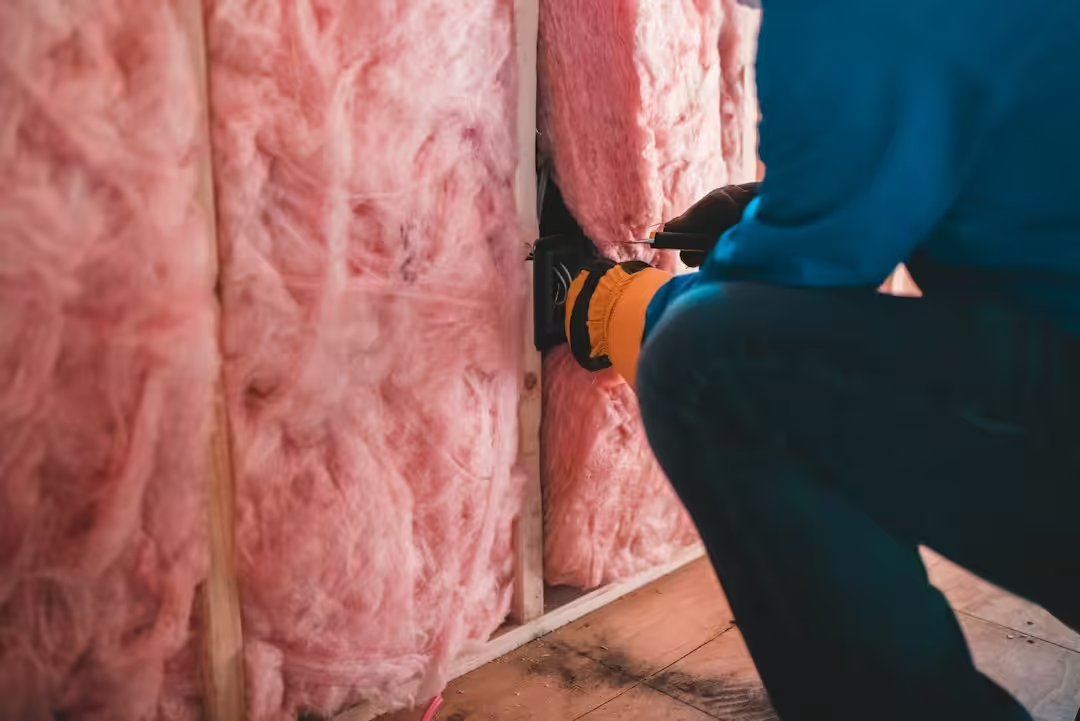
The insulative power of seaweed is not just a pleasant surprise; it's a pivotal change in how we think about energy conservation. Seaweed insulation offers remarkable thermal resistance, ensuring that heated air stays indoors during the chilly months and blocks out external heat in hotter months. This efficient thermal regulation can substantially cut down energy bills, leading to financial savings and a reduced carbon footprint.
Biodegradable Benefits

Our growing concern about waste and environmental sustainability is pushing us toward materials that blend back into nature seamlessly. When its job is done, seaweed insulation biodegrades into natural components without clogging landfills. This contrasts sharply with traditional insulating materials that sit in dumpsites, causing long-term environmental issues. Seaweed thus presents a full-life-cycle solution that champions environmental clarity and sustainability.
Challenges and Solutions
Of course, nothing worthwhile comes without its own set of challenges. One of the main hurdles is perfecting seaweed processing methods to enhance durability and resist moisture absorption. Researchers and innovators are busy tackling these issues, exploring treatments that retain seaweed's eco-friendly qualities while enhancing its performance. This ongoing development promises to bring seaweed insulation closer to mainstream building and construction practices.

The Future Looks Green
The momentum behind seaweed insulation is building. As society becomes increasingly concerned with ecological preservation, the use of such innovative, sustainable materials is not just advantageous—it's essential. Seaweed insulation isn't merely a trend; it represents a shift toward responsible, forward-thinking building practices.
Ready to make your contribution to a sustainable future? Share your thoughts or experiences with eco-friendly building materials or suggest new ways seaweed can impact sustainability. Join the conversation and be part of the change.
Looking for more recent articles and content on sustainable building practices and innovative materials? Check out our recent articles page for the latest updates and insights in the industry.
Exploring Innovative Seaweed Solutions in Construction
Seaweed Insulation Solutions A Sustainable Future is not just a catchy phrase but an eco-friendly movement revolutionizing the construction industry. As the world grapples with climate change and dwindling natural resources, innovative solutions like seaweed-based insulation offer a promising alternative. This biodegradable, renewable resource is proving to be a game-changer for sustainable building practices. It not only reduces carbon footprints but also enhances energy efficiency in homes and buildings. By harnessing the natural properties of seaweed, we are paving the way toward a greener and more sustainable future. Additionally, the YouTube video titled "Seaweed Solutions - Finalist in the Link Logistics Green Buildings Challenge" showcases how Seaweed Solutions advances Sustainable Development Goal 11 by utilizing recycled seaweed in construction materials, further emphasizing the potential of seaweed in creating a sustainable future.
Is seaweed prone to microplastics contamination?
While seaweed can sometimes take in trace amounts of microplastics from polluted waters, responsible harvesting in unpolluted regions and regular testing can greatly reduce contamination. By sourcing seaweed from clean environments, manufacturers of seaweed insulation and related products can ensure high quality and increased safety for end users.
What are the potential drawbacks of seaweed-based plastics?
Although seaweed-based plastics are more environmentally friendly than traditional plastics, challenges exist. Scalability can be limited due to harvesting costs and seasonal availability of high-quality seaweed. Additionally, manufacturing processes can be more expensive initially, and some products have a shorter shelf life compared to conventional plastics. Nevertheless, advancements in technology and a growing demand for green building materials are helping address these concerns.
Can seaweed realistically replace conventional plastics?
Seaweed provides a promising alternative, as it offers biodegradable and compostable traits that traditional plastics lack. It can be used to produce packaging, insulation, and other eco-friendly materials. However, a wholesale shift depends on improved supply chains, technological innovation, and widespread consumer acceptance. With ongoing research and growing interest in sustainable solutions, seaweed is steadily emerging as a viable plastic replacement.
How does seaweed compare to trees in capturing CO2?
Seaweed can absorb CO2 quickly, often outpacing many land-based plants in carbon capture rates. Large-scale seaweed cultivation, such as kelp farms, can store significant amounts of carbon in marine ecosystems. This efficiency positions seaweed as a powerful ally in combating climate change. When incorporated into insulation or other building materials, it not only reduces atmospheric carbon but also helps create healthier indoor environments and a more sustainable future.
Seaweed Insulation Solutions A Sustainable Future is not just a catchy phrase but an eco-friendly movement revolutionizing the construction industry. As the world grapples with climate change and dwindling natural resources, innovative solutions like seaweed insulation offer a glimmer of hope for a more sustainable future. By harnessing the power of nature, we can build greener, more energy-efficient homes that reduce our carbon footprint and protect the planet for future generations.
Join Us on Social Media for More Sustainable Tips and Updates!
If you're as excited about the potential of seaweed insulation as we are, why not stay connected with us on social media for more insightful content and sustainable solutions? Follow us on Facebook to explore inspiring projects, eco-friendly ideas, and stay updated on the latest innovations in sustainable architecture. Together, let's build a more environmentally conscious world—one seaweed-insulated home at a time. #GreenLiving #Sustainability #ArchitectureAdrenaline
