
Most people who ask what do mosquito hawks eat expect a predator; the direct answer is that adults take little or no animal prey, while the larval stage eats plant material and detritus and can damage turf if populations grow large. This article details adult and larval diets, the life-stage that actually affects lawns, and evidence-based steps property owners can use to confirm and manage leatherjacket problems.
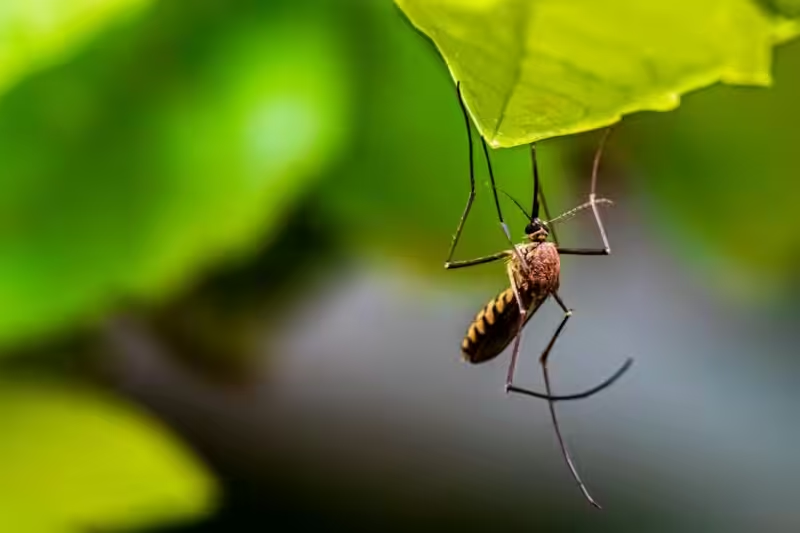
Adult Feeding Behavior Explained
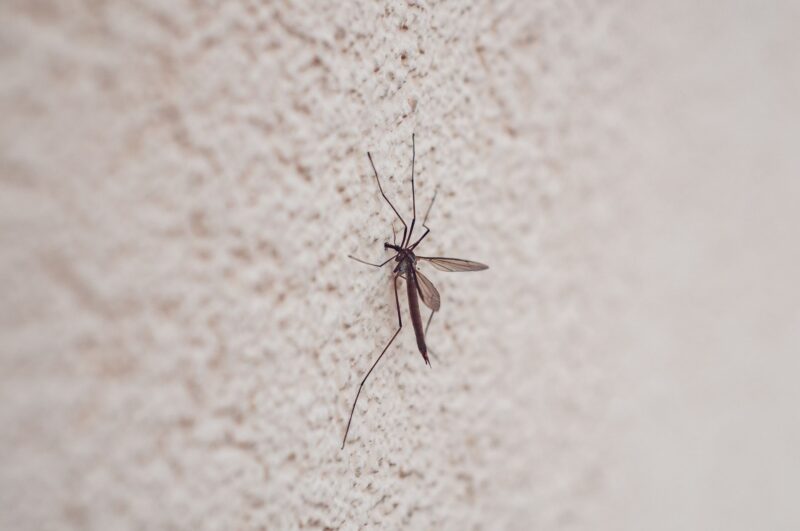
Adult crane flies, commonly called mosquito hawks, do not function as mosquito predators; many species either do not feed or take only small amounts of nectar, sap, or dew to fuel short flights and reproduction. A university entomology explanation clarifies that adults are not meaningful mosquito predators and do not bite people UC Davis Bug Squad clarifies what a “mosquito hawk” is. This distinction matters because treating adults as biological mosquito control is ineffective and misdirects management efforts toward the larval habitat instead.
Larval Diet and Why It Matters for Turf
Leatherjackets, the soil-dwelling crane fly larvae, feed on grass roots, seedlings, decaying plant material and fungi. Under wet or poorly drained conditions, large larval densities reduce root mass and create spongy, brown turf patches. For background on mosquito and aquatic larval ecology that explains why some predators interact with different life stages, see the Flathead County mosquito biology resource, which helps distinguish larval feeding habits from adult behavior in other insect groups.
How to Confirm Leatherjacket Damage
Core sampling is the standard diagnostic step: cut several 3-inch cores through affected turf and inspect the thatch and topsoil for elongated, legless larvae. If cores show only sparse larvae, the brown patches may stem from drought, compaction, or fungal disease instead. Architecture Adrenaline’s coverage of turf stress and pests offers diagnostic context for evaluating whether insects or cultural issues are the primary cause Why Is My Grass Turning Yellow? Top Causes and Easy Fixes.
Visible Signs Versus Other Lawn Problems
Leatherjacket feeding often appears as irregular brown patches that feel spongy and pull up easily, sometimes with birds or mammals digging for larvae. Those symptoms overlap with white grub damage and fungal decline, so pair visual signs with cores and seasonal timing to avoid misdiagnosis. For guidance on common mowing and moisture mistakes that can mimic pest damage, consult Architecture Adrenaline’s maintenance advice on mowing wet grass Mowing Wet Grass.
Practical Cultural Controls That Reduce Larval Habitat
- Improve drainage. Break up compacted soil with deep aeration and correct surface runoff to reduce prolonged saturation.
- Reduce thatch. Core-aerate and dethatch to expose larvae to predators and reduce the organic layer leatherjackets prefer.
- Modify irrigation. Water less frequently and more deeply after rain to avoid keeping the topsoil continuously moist during the larval feeding window.
- Strengthen turf. Apply balanced fertility in the appropriate season so grass can recover from partial root loss; avoid high nitrogen in conditions that favor larvae.
For broader landscape fixes that lower pest incidence and boost recovery capacity, the site’s backyard landscaping tips outline complementary strategies for improving site conditions Backyard Landscaping Tips.
When and How to Use Targeted Treatments
Treatment is justified only after confirmed larval densities correlate with meaningful turf loss. Biological options such as entomopathogenic nematodes work best when applied to moist soil at the right temperature and when larvae are present near the thatch. Chemical controls require precise timing and a label-appropriate product matched to crane fly species; consult local extension publications before applying pesticides. North Carolina State Extension offers regional treatment guidance and monitoring recommendations that explain timing and product selection NC State Extension.
Ecological Role and Natural Predators
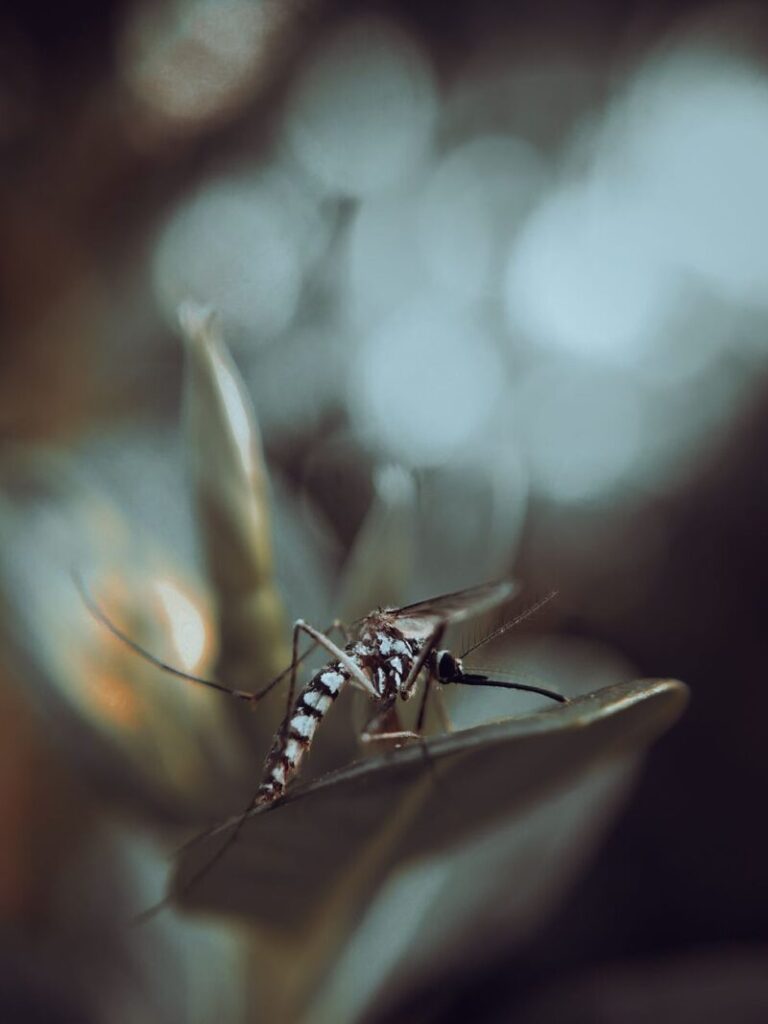
Leatherjackets provide food for birds, bats, amphibians and predatory arthropods, and their decomposition activity contributes to soil organic-matter turnover. Because most crane fly populations are integral to local food webs and rarely cause lasting landscape damage, management favors targeted, threshold-based actions rather than blanket eradication. The Royal Horticultural Society notes many populations are harmless and encourages intervention only when damage is proven RHS guidance on leatherjackets.
Quick Field Checklist for Homeowners
- Large, slow-flying long-legged flies at night are probably harmless adult crane flies; they do not control mosquitoes.
- Brown patches plus digging birds or mammals merit turf cores to confirm larvae before acting.
- If cores show high leatherjacket densities, prioritize drainage correction, aeration, and thatch reduction before chemical or biological treatments.
- Contact your county extension for species-specific advice and local treatment windows; local guidance prevents mistimed, ineffective applications.
Tools and Products for Home Control
Homeowners considering active control can pair cultural fixes with targeted products. For practical mosquito and yard insect reduction around structures, consumer traps and monitors can reduce nuisance insects near living spaces; typical retail options include mosquito traps. Use product labels and extension recommendations to choose devices appropriate for your yard and to avoid unnecessary pesticide use.
| Life Stage | What It Eats |
|---|---|
| Adult | Nectar or dew; many species do not feed |
| Larva (leatherjacket) | Grass roots, seedlings, decaying plant material, fungi |
Final Assessment for Property Owners
Confirming leatherjackets with cores and matching the timing of damage to larval season are the decisive steps. Start with drainage, aeration and irrigation changes; escalate to biological or chemical controls only when extension-backed thresholds and treatment windows indicate likely success. For help diagnosing persistent or widespread turf loss, refer to local extension services and the Architecture Adrenaline primer on diagnosing turf discoloration Why Is My Grass Turning Yellow? Top Causes and Easy Fixes.
Related Video
Mosquito hawks, often mistaken for mosquitoes, primarily feed on small insects and larvae. They play a vital role in controlling pest populations by preying on mosquitoes and other small flying insects. Their diet can vary depending on the species and the ecosystem they inhabit.
More from Architecture Adrenaline
For those interested in similar topics, more posts can be found on our social channels. Check out our Instagram for updates and insights related to various subjects we cover.